Navigating the US Healthcare System
Healthcare System Overview
A Mix of Public and Private
The United States healthcare system isn't one single system. It's a complex patchwork of public and private programs. This mix makes it different from many other developed nations, which often have more centralized, government-run healthcare.
In the U.S., some people get health coverage from the government, while many others get it from private companies. The most common way people get private insurance is through their jobs. This hybrid approach has evolved over decades, shaped by policy changes, market forces, and public debate.
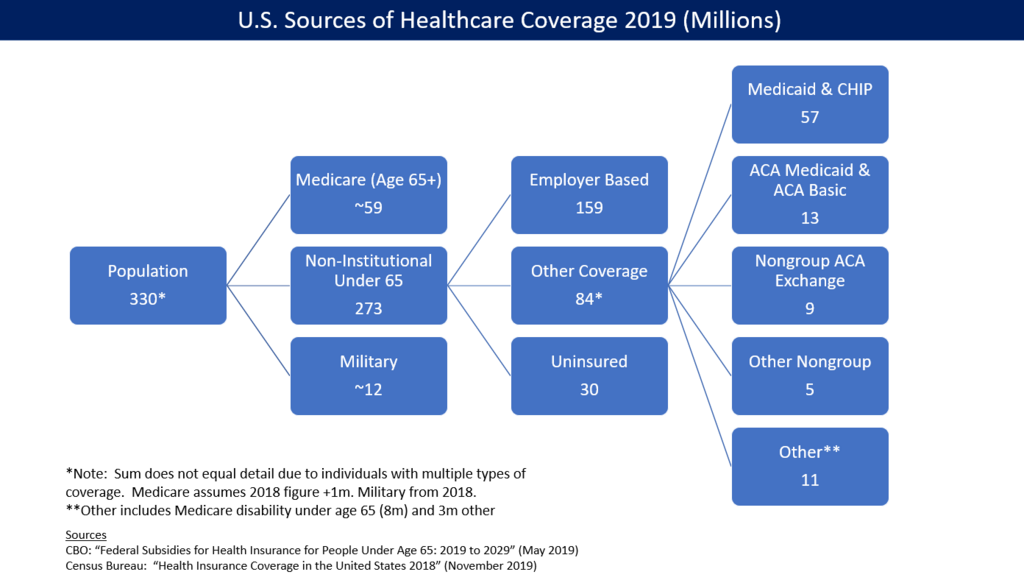
As you can see, a large portion of the population is covered by employer-based plans, which are part of the private sector. Government programs like Medicare and Medicaid cover another significant chunk. Understanding how these public and private pieces fit together is key to understanding the whole system.
The Role of Government
Both the federal and state governments play crucial roles in healthcare. They act as regulators, funders, and sometimes, direct providers of care.
The federal government sets the major rules and provides a large share of the funding for public programs. It oversees nationwide programs and establishes baseline standards that states must follow. For example, it defines the core benefits that must be included in certain health plans.
The state governments have a lot of flexibility in how they implement federal rules. They regulate the private insurance companies operating within their borders, license doctors and hospitals, and administer large public programs like Medicaid, often tailoring them to their specific populations and budgets. This creates significant variation in healthcare access and cost from one state to another.
This division of labor means that while some healthcare laws are national, your experience with the system can depend heavily on the state you live in.
Private Insurance
The private sector is the dominant force in U.S. healthcare. Most Americans under the age of 65 get their health insurance through a private plan, and the most common source for this is an employer.
In an employer-sponsored plan, the company chooses the insurance plans to offer its workers. The cost of the monthly premium is typically split between the employer and the employee. This system became widespread after World War II and remains the foundation of health coverage for the majority of the U.S. population. This ties a person's health insurance directly to their employment status, which can create challenges if someone loses their job.
For most working-age Americans, your job is also your source of health insurance.
If you don't get insurance through a job, you can purchase it directly from an insurance company. Before 2010, this was often difficult and expensive, especially for people with pre-existing health conditions. A major piece of legislation sought to change that.
The Affordable Care Act (ACA)
Passed in 2010, the Patient Protection and Affordable Care Act, often called the ACA or Obamacare, was the most significant overhaul of the U.S. healthcare system in decades. Its primary goals were to make health insurance more accessible and affordable for everyone, especially for those who couldn't get it through their work.
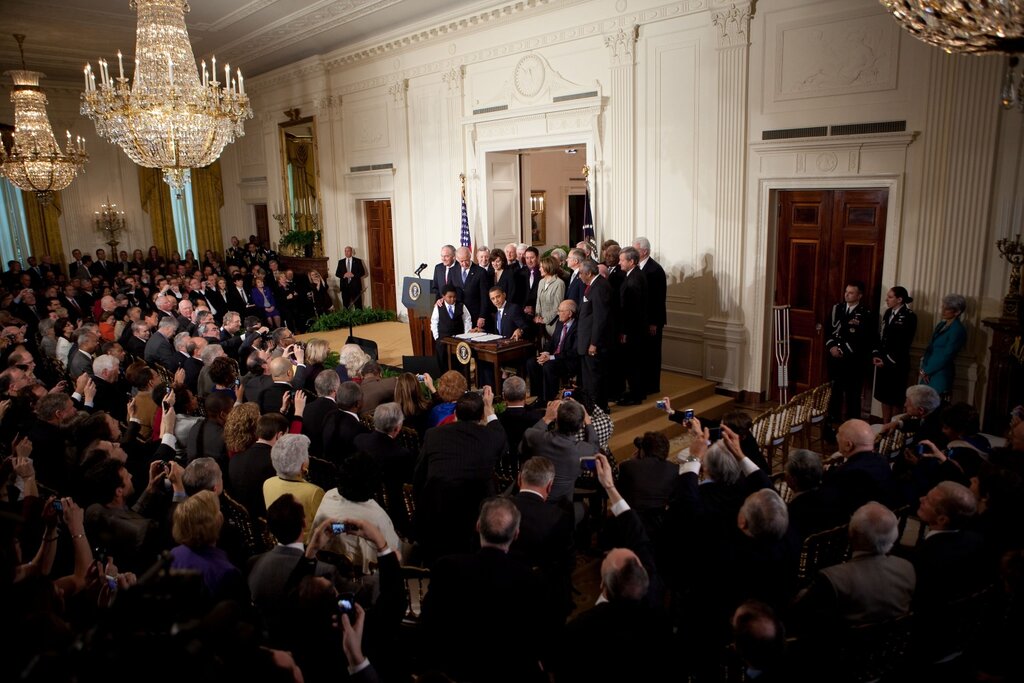
The ACA introduced several major changes. It created health insurance marketplaces where individuals could shop for plans and compare prices. It also provided subsidies to help lower-income individuals afford their monthly premiums.
One of its most popular provisions was banning insurance companies from denying coverage or charging more to people with pre-existing conditions. The law also allowed young adults to stay on their parents' health insurance plans until age 26. While controversial, the ACA significantly reduced the number of uninsured Americans and fundamentally changed the rules for both private insurers and government programs.
Which statement best describes the overall structure of the U.S. healthcare system?
The ______ government sets broad healthcare rules and standards for the nation, while ______ governments regulate insurance companies and administer programs like Medicaid within their borders.
This overview covers the basic structure of the U.S. system. The interplay between these government and private entities creates the healthcare landscape millions of Americans navigate every day.