Navigating the US Healthcare Revenue Cycle
Patient Registration
The First Step in Healthcare Billing
The entire healthcare billing process starts with a simple but critical step: patient registration. This is where a healthcare provider collects all the essential information about a patient. Think of it as the foundation of a house. If the foundation is weak or flawed, the rest of the structure will have problems. In billing, mistakes made during registration can lead to payment delays, denied claims, and frustrated patients.

This first interaction sets the tone for the patient's entire financial experience. A smooth, accurate registration process builds trust and ensures that the financial side of care is handled correctly from the very beginning.
Gathering the Right Information
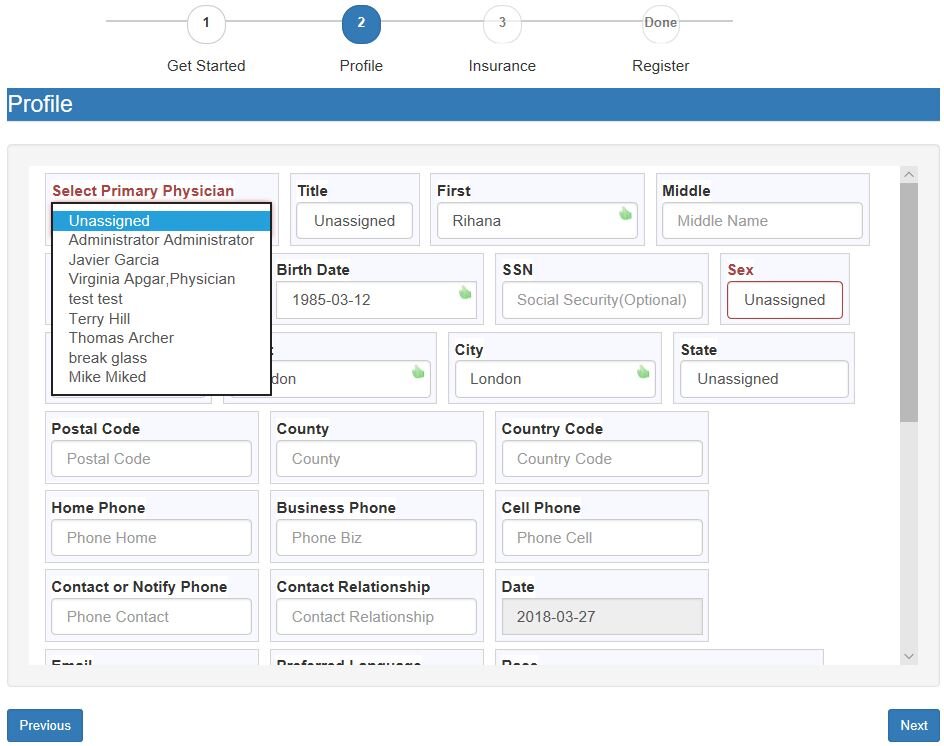
During registration, staff collect two main categories of information: patient demographics and insurance details. Both are equally important for a clean billing process.
Patient demographics are the basic facts about the patient. This includes:
- Full legal name
- Date of birth
- Current address and phone number
- Emergency contact information
This information uniquely identifies the patient and ensures the clinic can communicate with them about their care and their bills. A correct address is vital for mailing statements, and a valid phone number is needed for any follow-up questions.
Insurance information is the roadmap for how the medical services will be paid for. Staff typically photocopy or scan the patient's insurance card to capture key details:
- Insurance company name and contact information
- Policy number or Member ID
- Group number
- Name of the subscriber or policyholder (if different from the patient)
Every piece of this information is needed to route the medical claim to the right payer and get it processed correctly.
Accuracy Is Everything
Simply collecting information isn't enough; it has to be accurate. A single typo can cause a claim to be rejected. For example, if a patient's name is misspelled, the insurance company's system won't find a match for the policy number provided. The claim gets denied, and the billing cycle stops dead in its tracks.
This is why verifying patient data is a crucial part of the registration process. Staff should ask returning patients if their information has changed. Has their address changed? Are they still with the same insurance provider? A quick confirmation can prevent significant problems down the line. This simple check helps ensure a "clean claim"—a claim that has no errors and can be processed quickly by the insurer.
A misspelled name, an outdated address, or a single digit off in an insurance ID can bring the entire billing process to a halt.
Common registration errors are often small, but their impact on billing is huge. They create extra work for the billing team, delay payments to the provider, and can result in the patient receiving an incorrect bill.
| Error | Impact on Billing |
|---|---|
| Misspelled Name | Claim denied because patient name doesn't match insurance records. |
| Incorrect Date of Birth | Claim rejected for mismatched patient identity. |
| Outdated Insurance Info | Claim sent to the wrong insurance company, resulting in a denial. |
| Typo in Policy Number | Claim cannot be processed; insurance company cannot find the policy. |
Now, let's test your understanding of the patient registration process.
What are the two primary categories of information collected during patient registration?
A claim is denied because the patient's name is misspelled, causing a mismatch with the insurance policy number. This error most likely occurred during which stage of the revenue cycle?
By focusing on accuracy at the very beginning, healthcare organizations can ensure a smoother, more efficient revenue cycle for everyone involved.