Navigating the Search for Effective Therapy
Mapping Therapeutic Modalities
Choosing Your Framework
Different therapeutic modalities operate like different operating systems for the mind. Some are structured and goal-oriented, focusing on changing specific thought patterns and behaviors. Others are more exploratory, delving into the past to understand present-day feelings. Finding the right fit often depends on your personal cognitive style and what you want to achieve.
Think of it as choosing between a direct, step-by-step manual and an open-ended philosophical guide. Neither is inherently better, but one will likely resonate more with how you process the world.
The Action-Oriented Approaches
Some of the most well-known therapies are highly structured and focused on making tangible changes in the here and now. They operate on the principle that by changing your thoughts or behaviors, you can change your emotional state.
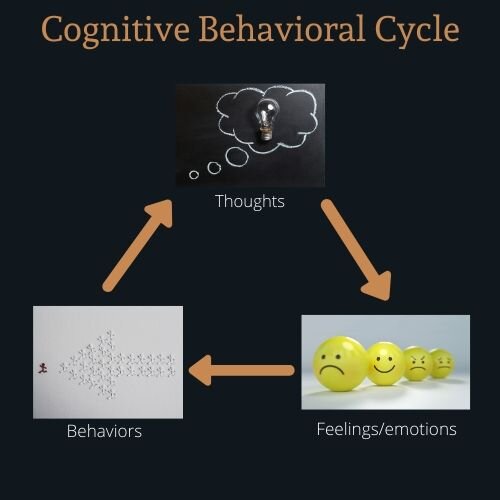
At the forefront is (CBT), which works on a clear premise: our thoughts, feelings, and actions are all interconnected. A negative thought can trigger a difficult feeling, which in turn leads to an unhelpful behavior. CBT provides tools to interrupt this cycle. It's a very active form of therapy, often involving homework and skill-building exercises designed to challenge and reframe distorted thinking patterns.
If you prefer a logical, problem-solving approach and want clear strategies to manage specific issues like anxiety or phobias, CBT's structured nature can be highly effective.
Building on CBT's foundation, Dialectical Behavior Therapy (DBT) was developed to help people experiencing intense, overwhelming emotions. The core idea, or "dialectic," is balancing acceptance with change. While CBT focuses primarily on changing thoughts, DBT first teaches you to accept your reality and your emotions without judgment. From that place of acceptance, you can then work toward change.
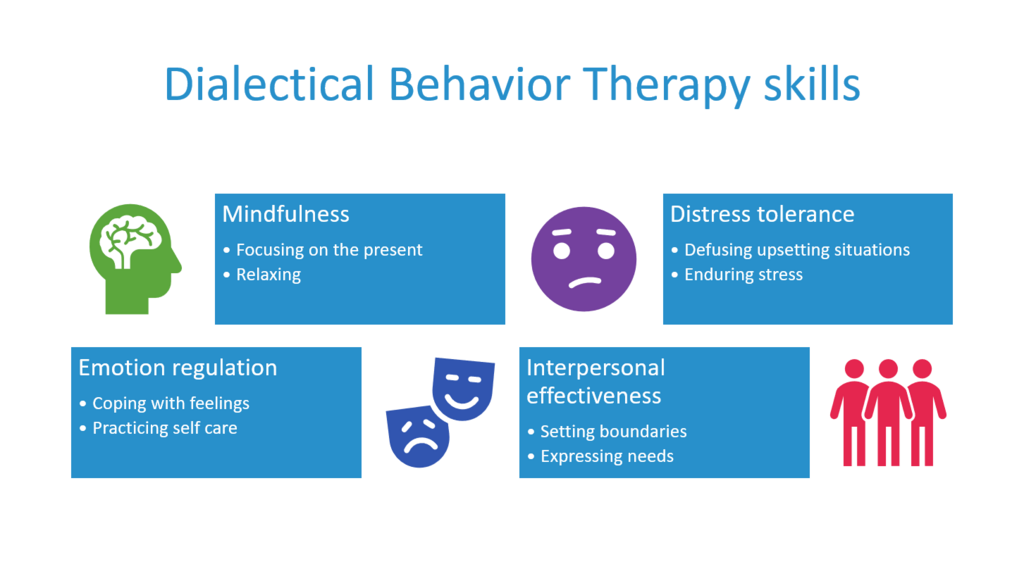
DBT is organized around four key skill modules: Mindfulness (staying present), Distress Tolerance (getting through crises without making things worse), Emotion Regulation (understanding and managing emotions), and Interpersonal Effectiveness (communicating needs and maintaining relationships). This multi-pronged approach makes it particularly useful for complex emotional challenges.
A third major player in this space is (ACT). ACT takes a different path: instead of trying to change or eliminate difficult thoughts, it teaches you to notice them, accept their presence, and not let them run your life. The goal isn't to feel good, but to live a rich and meaningful life while having the full range of human emotions.

It focuses on six core processes, including "cognitive defusion"—learning to see your thoughts as just thoughts, not objective truths—and connecting with your personal values to guide your actions. This is for those who find the constant battle with their thoughts exhausting and are looking for a way to coexist with them.
The Insight-Oriented Approaches
In contrast to action-based methods, insight-oriented therapies believe that understanding the why behind your feelings is the key to change. The most well-known of these is an umbrella term for therapies rooted in psychoanalytic theory.
This approach explores how unconscious thoughts and past experiences, particularly from early childhood, shape your current behaviors, relationships, and emotions. The therapist helps you uncover and make sense of these deeply ingrained patterns. It's less structured, with conversations flowing more freely to allow unconscious material to surface. The therapeutic relationship itself is often a central focus, as patterns from your life may reappear in your interactions with the therapist.
This modality is a good fit for those who are curious about their inner world, want to understand deep-seated patterns, and are comfortable with a less-structured, more exploratory process.
Directive vs. Non-Directive Styles
Beyond the specific model, therapies can be categorized by their style: directive or non-directive. This reflects how much the therapist guides the session.
A directive approach, common in CBT and DBT, positions the therapist as an expert who teaches skills and guides the process. Sessions are structured, agendas are often set, and progress is measured against clear goals.
A non-directive approach, typical of psychodynamic and humanistic therapies, sees the client as the expert on their own life. The therapist acts as a facilitator, creating a safe space for the client to explore their thoughts and feelings at their own pace. The direction of therapy emerges organically from the client's needs.
There's no single "best" modality. Research shows that therapies like CBT and DBT have strong evidence bases for specific conditions such as anxiety disorders, OCD, and borderline personality disorder. Psychodynamic approaches have shown effectiveness for depression and relationship issues. However, the most critical factor in a successful outcome is often the quality of the relationship between the client and the therapist.
Now that you understand the different frameworks, let's test your knowledge.
Which therapeutic modality is primarily focused on identifying and changing the interconnected patterns of thoughts, feelings, and behaviors?
A client is struggling with overwhelming emotions and self-destructive behaviors during moments of crisis. A therapy that teaches skills in mindfulness, distress tolerance, and emotion regulation would be most aligned with which approach?
Understanding these core differences can help you seek out a therapeutic style that aligns with how you think and what you need, setting the stage for a more effective and collaborative journey.