Navigating the Landscape of Payment Fraud
Introduction to Payment Fraud
What Is Payment Fraud?
Payment fraud is any kind of false or illegal transaction. It happens when someone uses stolen information or deception to make unauthorized payments or transfers. The goal is always the same: to take money or assets from a victim's account without their permission.
Understanding this is crucial for everyone. For businesses, fraud can lead to direct financial losses, damaged reputations, and a loss of customer trust. For individuals, it can mean stolen funds, a lowered credit score, and a lot of stress trying to fix the damage. As our world becomes more digital, the ways fraudsters can strike are constantly evolving.
Common Types of Fraud
Payment fraud isn't a single act. It takes many forms, each with its own tactics. Here are a few of the most common types you might encounter.
Credit Card Fraud This is the most well-known type. It occurs when a criminal uses someone else's credit or debit card information to make purchases. This can happen through physical card theft, skimming devices that copy card details, or data breaches where card numbers are stolen online.
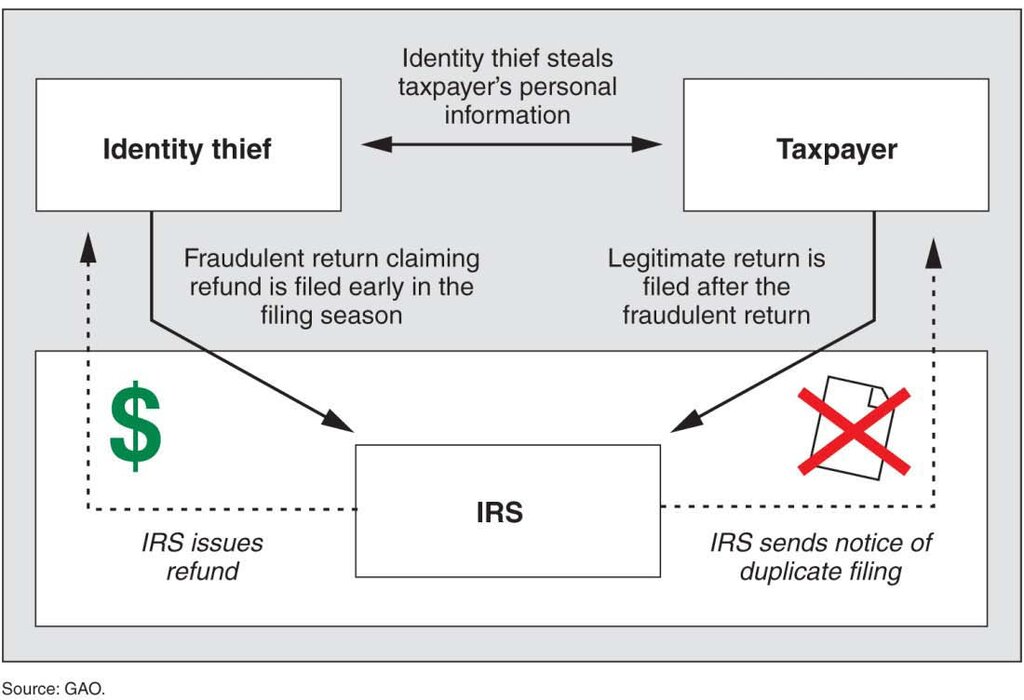
Next, there is identity theft. This is a broader crime where a fraudster steals someone's personal information, like their Social Security number or bank account details, to impersonate them. In the context of payments, they might open new credit accounts, take out loans, or file fraudulent tax returns in the victim's name.
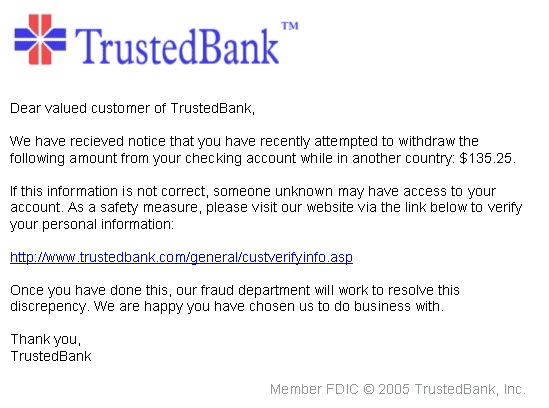
Phishing is another common method. Fraudsters send deceptive emails, texts, or messages that look like they're from a legitimate company, such as a bank or a popular online store. The goal is to trick the recipient into clicking a malicious link and entering their financial details, which the criminals then capture and use.
A trickier type is known as "friendly fraud," or chargeback abuse. This happens when a legitimate customer makes an online purchase with their own card, receives the product, and then requests a chargeback from their bank. They might falsely claim the item never arrived or was not as described, effectively getting the product for free.
Finally, vendor fraud targets businesses from the inside. This can be committed by employees who create fake invoices to pay themselves, or by external vendors who intentionally overbill for services or bill for services that were never provided.
Vendor fraud involves a fraudster manipulating payment systems for illegal personal gain.
Now that you've been introduced to the basics of payment fraud, let's test your knowledge.
Which of the following best describes 'friendly fraud'?
An employee at a company creates a fake supplier profile and submits invoices for services that were never performed. What type of fraud is this?
Recognizing these different types of fraud is the first step toward protecting yourself and your business. Each one requires a different approach to prevent and detect.