Navigating the Information Age
Technological Foundations
The Tiny Switch That Changed Everything
Before the 1950s, computers were colossal machines, filling entire rooms and relying on thousands of fragile, power-hungry vacuum tubes. These tubes acted as switches, controlling the flow of electricity to represent the ones and zeros of digital information. They were unreliable, generated immense heat, and made computing a niche, expensive field.
The game changed in 1947 at Bell Labs with the invention of the transistor.
Transistor
noun
A semiconductor device used to amplify or switch electronic signals and electrical power. It is the fundamental building block of modern electronics.
Transistors did the same job as vacuum tubes but were vastly superior. Made from silicon, a semiconductor material, they were tiny, durable, and required very little power. This single invention made it possible to build smaller, faster, and more reliable electronic devices at a fraction of the cost.
The shift from vacuum tubes to transistors was a pivotal moment. It allowed engineers to pack more and more processing power into smaller and smaller spaces, a trend that continues today known as Moore's Law.
Soon, engineers figured out how to etch not just one, but thousands and then millions of transistors onto a single silicon chip. This led to the integrated circuit, which then evolved into the microprocessor—a complete computer on a single chip. This relentless miniaturization paved the way for the next great leap: bringing computers out of the lab and into our lives.
From Mainframes to Mobile
The evolution of computing devices tracks this journey of miniaturization and accessibility. Each new form factor brought computing power to a wider audience, fundamentally changing how we work, play, and communicate.
| Era | Dominant Device | Key Characteristics |
|---|---|---|
| 1950s-1970s | Mainframe | Room-sized, operated by specialists, used for large-scale corporate and government tasks. |
| 1980s-1990s | Personal Computer (PC) | Desktop-sized, accessible to individuals and small businesses, sparked a revolution in productivity and creativity. |
| 2000s-Present | Mobile Devices | Pocket-sized, constantly connected, integrated into nearly every aspect of daily life. |
The move from mainframes to PCs democratized computing. Suddenly, individuals had the power to create documents, manage finances, and explore new digital worlds. The subsequent shift to mobile devices put that power, along with constant connectivity, directly into our pockets.
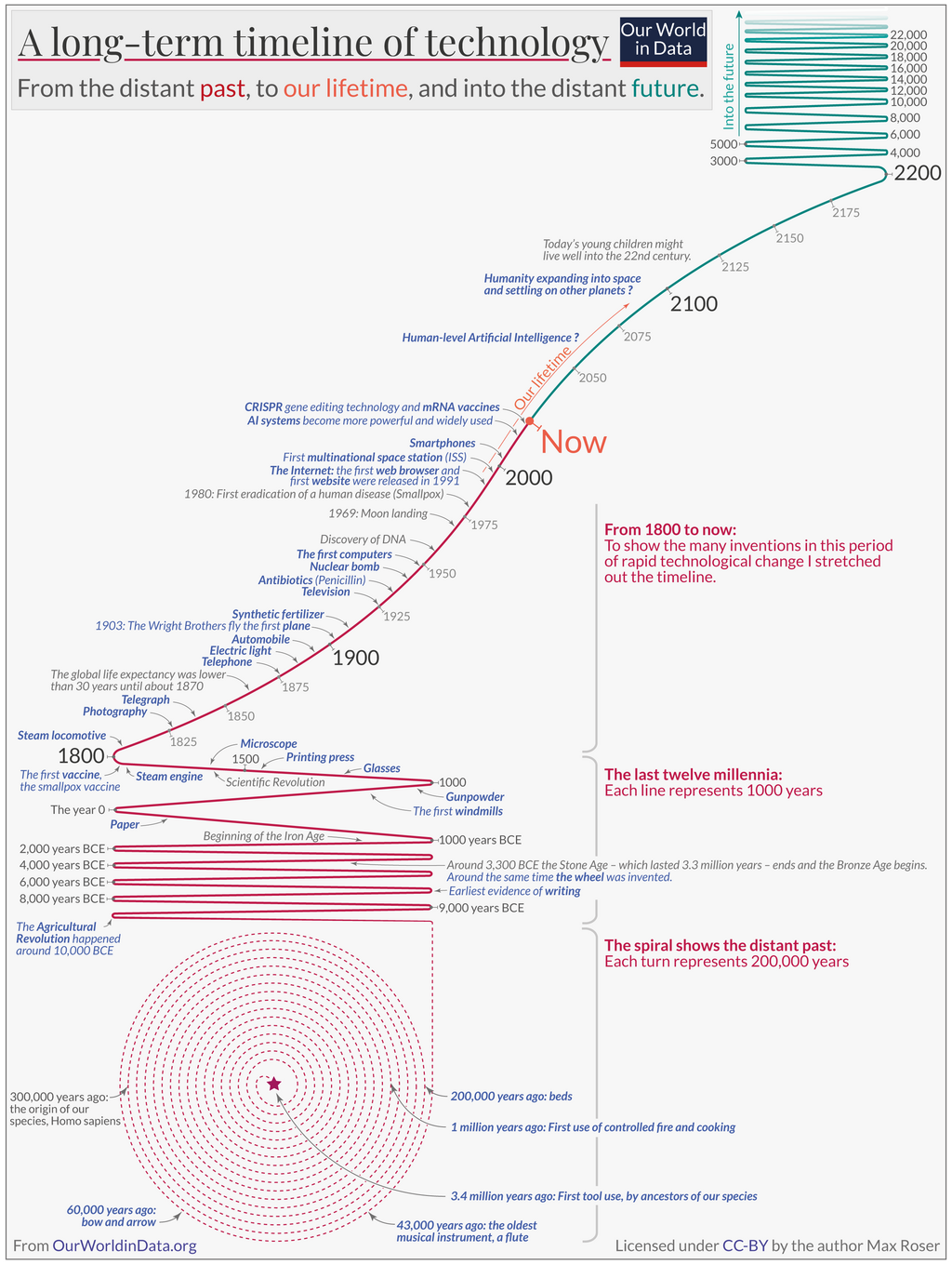
Connecting the World
Having powerful, personal computers was one revolution. Connecting them all together was another. The Internet began in the late 1960s as a U.S. military project called ARPANET. The goal was to create a decentralized communication network that could withstand a partial outage. If one node went down, the others could still communicate.
This network relied on a new technique called packet switching, where data is broken into small blocks, or packets, sent independently over the network, and reassembled at the destination. To ensure different types of computers could talk to each other, a universal set of rules was needed. This led to the development of the Transmission Control Protocol/Internet Protocol (TCP/IP).
TCP/IP remains the backbone of the internet today. It created a universal language for computers, allowing a massive, global network of networks to emerge. The development of the World Wide Web by Tim Berners-Lee in the early 1990s then provided a user-friendly interface for this network, making it accessible to everyone and unleashing its full potential.
Computer networks have evolved into an essential component of modern society, facilitating the seamless sharing and dissemination of digital information.
These three pillars—the transistor, the personal computing device, and the internet—formed the technological bedrock of the Information Age. They transformed our ability to process, store, and communicate information, reshaping industries and society itself.
Ready to check your understanding?
What was the primary technological innovation that replaced large, unreliable vacuum tubes in early computers?
The development of the TCP/IP protocol was significant because it:
Understanding these foundations is key to appreciating how profoundly technology has shaped the modern world.