Navigating the Benefits Brokerage Arena
Industry Overview
The Role of a Benefits Broker
Companies want to offer great benefits to their employees, but the world of insurance and retirement plans is famously complex. That’s where a benefits broker comes in. Think of them as a specialist guide or a matchmaker.
Their main job is to connect employers with the best possible benefit plans for their team’s needs and the company's budget.
A benefits broker acts as an intermediary between a company and insurance carriers. They aren't tied to any single insurance provider. This independence allows them to survey the entire market to find plans that offer the best value. They bring expertise that most companies, especially smaller ones, don't have in-house. This includes deep knowledge of health insurance, retirement plans, dental, vision, life insurance, and other perks.
Broker
noun
An independent agent who acts as an intermediary between a buyer and a seller, but does not represent any single seller. In this case, they connect employers (buyers) with insurance carriers (sellers).
Key Services
A broker's work isn't just about finding a cheap plan. They provide a range of services that support a company throughout the entire year, not just during enrollment season. The process is a cycle of strategy, implementation, and support.
Brokers handle negotiations with insurance carriers to secure favorable terms and pricing. They also ensure the company stays compliant with ever-changing regulations, like the Affordable Care Act (ACA), which can save businesses from costly penalties. When employees have issues with claims or have questions about their coverage, the broker is often their first point of contact for help.
Market Size and Growth
The benefits brokerage industry is a significant part of the economy, managing billions of dollars in insurance premiums annually. And it's growing. Projections show steady expansion over the next decade, driven by a few key factors.
First, the world of employee benefits is becoming more complicated. New laws, new types of health plans, and rising healthcare costs make it difficult for employers to keep up. This complexity creates a strong demand for expert guidance.
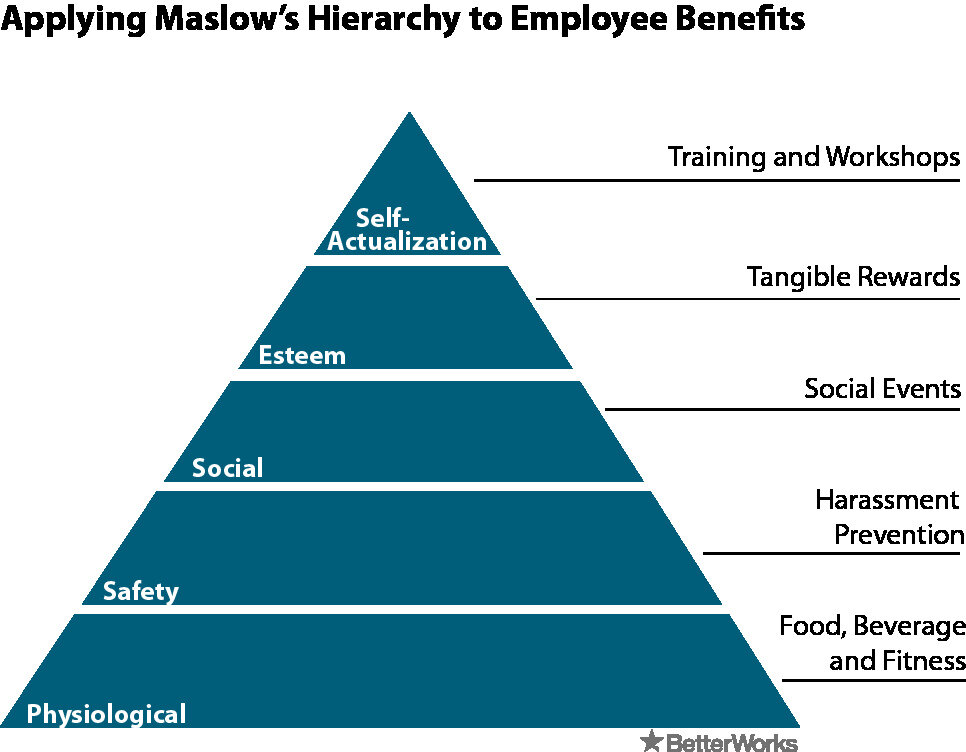
Second, employee expectations have changed. Today’s workforce looks for more than just a good salary. They want benefits that support their overall well-being, from mental health services to flexible work arrangements. Companies are using benefits as a key tool to attract and retain talent, and brokers are essential in designing these competitive packages.
Finally, technology is playing a bigger role. New software helps brokers manage data, streamline enrollment, and provide better service to their clients. This allows them to work more efficiently and demonstrate their value more clearly.
For companies trying to build a happy and productive team, a good benefits package is no longer a luxury, it's a necessity. Brokers are the ones who make it possible.