Navigating the AI Market Bubble
Understanding Market Bubbles
What Is a Market Bubble?
A market bubble happens when the price of an asset, like a stock or a house, gets pushed far above its real, underlying value. Think of it like a soap bubble. It starts small, then expands quickly, getting bigger and bigger until it becomes unsustainable. Then, it pops.
This isn't just a gradual price increase. It's a rapid, dramatic surge driven by enthusiastic and often speculative buying. Investors see prices going up and jump in, hoping to make a quick profit. This buying frenzy pushes prices even higher, creating a cycle that detaches the asset's price from its fundamental worth. The problem is, bubbles can't inflate forever.
At the heart of a bubble is a disconnect from reality. The story about the asset's future potential becomes more important than its actual performance.
Speculation
noun
The act of trading a financial instrument involving a high degree of risk, in expectation of a significant return. Speculators are less concerned with the fundamental value of an asset and more with its potential for price movement.
The Anatomy of a Bubble
Market bubbles tend to follow a predictable pattern, often described in five stages. While every bubble is unique, this general lifecycle helps us understand how they form and eventually collapse.
This cycle is fueled by a powerful emotion: the fear of missing out (FOMO). As prices climb, people who were initially skeptical begin to doubt their caution and buy in, often at the peak. This is why the euphoria stage is so dangerous, as it's typically the point of maximum financial risk.
Example: The Dot-Com Bubble
One of the most famous examples is the dot-com bubble of the late 1990s. The rise of the commercial internet created immense excitement. Investors poured money into any company with a ".com" in its name, convinced they were getting in on the ground floor of a new economy.
Many of these companies had flimsy business plans and no profits, yet their stock prices soared to incredible heights. The focus was on growth and capturing "eyeballs," not on generating revenue. The prevailing belief was "this time is different" and that old valuation metrics no longer applied.
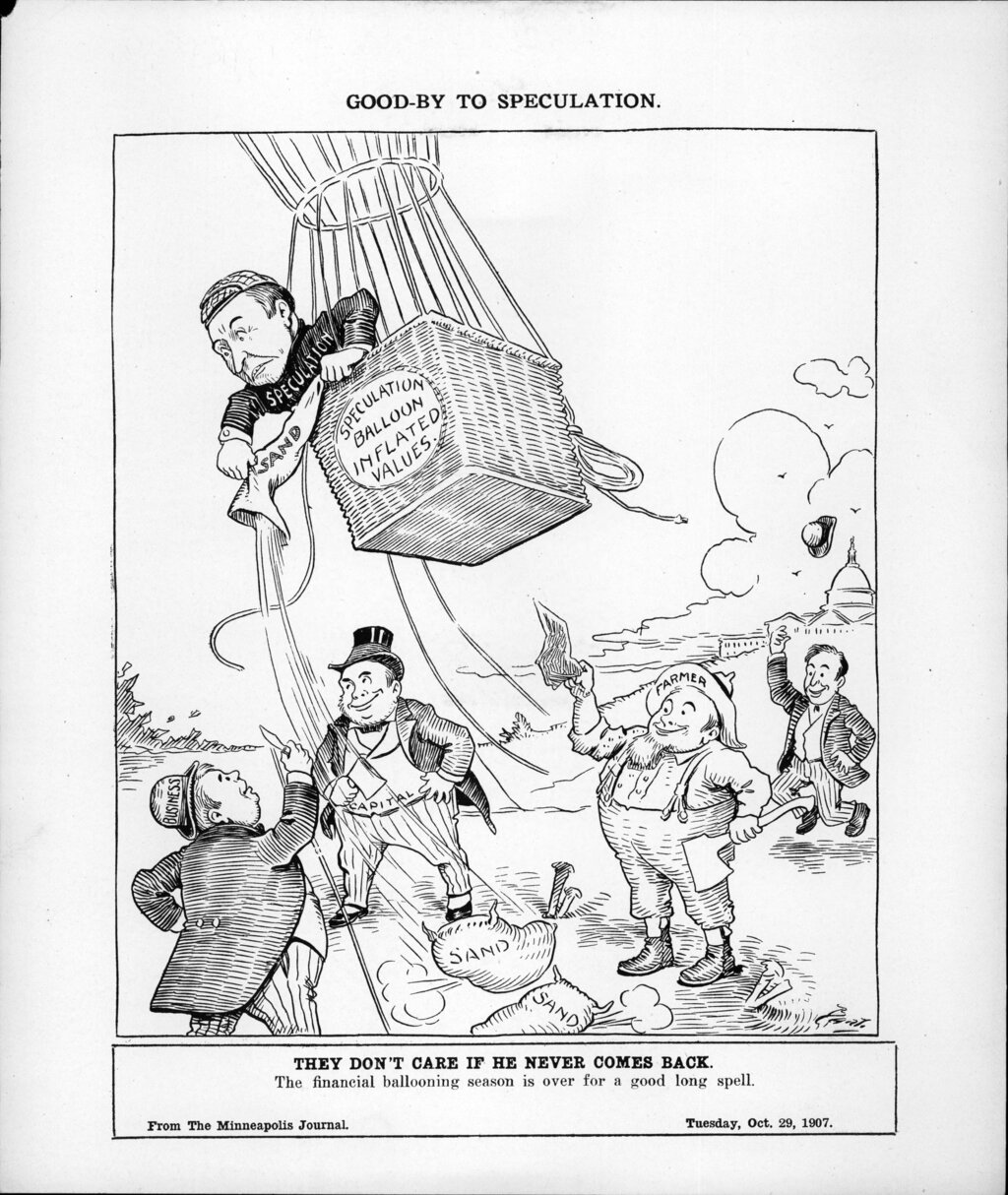
The bubble burst in early 2000. When it became clear that many dot-coms would never be profitable, investor confidence evaporated. The panic stage set in, and trillions of dollars in market value were wiped out. While some companies from that era, like Amazon, survived and thrived, countless others disappeared completely.
The dot-com crash showed that even a truly revolutionary technology can't defy the laws of financial gravity forever. Value eventually matters.
By understanding the patterns of past bubbles, we can better recognize the warning signs of speculative excess in any market. This knowledge doesn't allow us to predict the future, but it provides a valuable historical lens for evaluating the present.
What is the primary characteristic of a market bubble?
During the dot-com bubble of the late 1990s, investors often valued companies based on their potential for growth and ability to attract users, rather than their actual profits.