Navigating Student Visas
Introduction to Student Visas
Permission to Learn
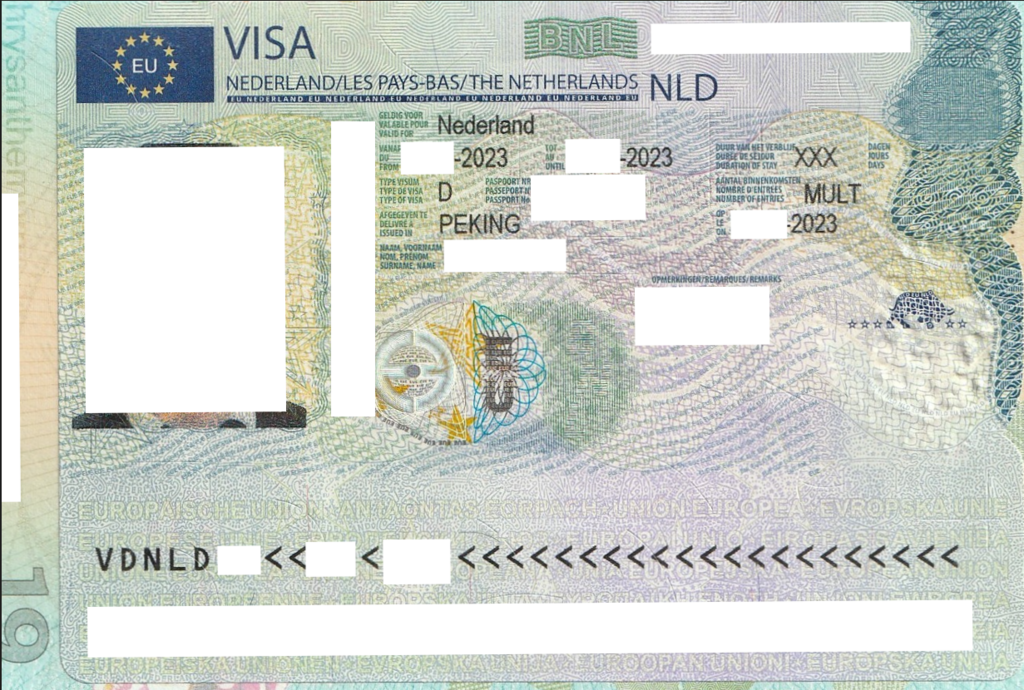
Studying in another country is an exciting goal. But before you can pack your bags, you need official permission to enter that country for educational purposes. This permission is called a student visa. Think of it as a special pass that tells the government you're there to be a student, not a tourist or a worker.
Different countries have their own types of student visas. For those hoping to attend a university, college, high school, or language program in the United States, the most common type is the F-1 visa. It’s designed specifically for full-time academic students.
F-1 Visa Eligibility
Getting an F-1 visa isn't automatic. You have to meet several key requirements to prove you're a legitimate student.
First, you must be accepted into a full-time program at a school approved by the U.S. government's Student and Exchange Visitor Program (SEVP). Not every school can accept international students, so this is a critical first step.
You also need to demonstrate English proficiency, unless you're coming specifically to study English. You must also prove that you have sufficient funds to cover your tuition and living expenses for your entire course of study. This shows the government you can support yourself without needing to work illegally.
Perhaps the most important requirement is proving your "nonimmigrant intent." This means you must convince the consular officer that you have strong ties to your home country—like family, a job offer, or property—and that you fully intend to return home after you finish your degree.
Why Rules Matter
A student visa comes with a set of rules you must follow to maintain your legal status. These rules are not suggestions; they are requirements. Violating them can have serious consequences, including having your visa revoked and being forced to leave the country.
For F-1 students, the most important rule is to remain a full-time student. Dropping below the required course load without official permission is a common mistake that can put your visa in jeopardy. There are also strict limits on working. F-1 students are generally not allowed to work off-campus during their first year and face tight restrictions after that.
International students must meet specific admission requirements, including academic credentials, language proficiency (English or French), and sometimes standardized test scores (such as the TOEFL or IELTS for English proficiency).
Understanding and following these regulations is your responsibility. It ensures you can focus on your studies without any legal complications, making your educational journey a successful one.
Ready to check your understanding?
What is the primary purpose of a student visa?
Which type of visa is most commonly used for full-time academic students in the United States?
Knowing the basics of student visas is the first step toward studying abroad.