Navigating PubMed for Health Research
Introduction to PubMed
Your Medical Library
When you have a health question, you might turn to a search engine. But for deeper, more reliable information, researchers and health professionals go to a specific source: PubMed.
PubMed is a free, searchable database of study abstracts provided by the National Institutes of Health.
Think of it as a massive digital library filled with millions of articles from medical and life science journals. It's the primary tool for finding scientific studies on health topics, from new cancer treatments to the effects of herbal supplements. It's maintained by the U.S. National Library of Medicine, making it a trustworthy and publicly available resource.
What You'll Find Inside
PubMed's main purpose is to help you find citations and abstracts for biomedical articles. A citation gives you the basic information about an article: the title, authors, journal it was published in, and the date. An abstract is a short summary of the article's purpose, methods, and findings.
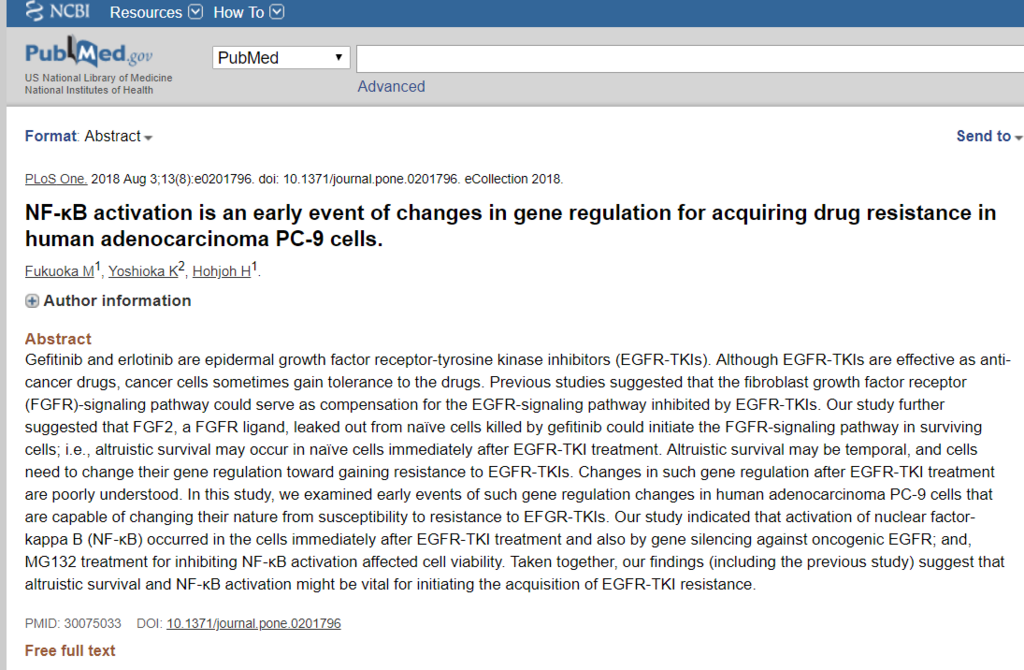
Reading the abstract is a great way to quickly decide if an article is relevant to your question without having to read the entire paper. This saves a lot of time.
Review the abstracts of research studies carefully. This will save you time.
In many cases, PubMed also links to the full article on the publisher's website. Some of these are available for free through services like PubMed Central, while others might require a subscription or payment.
Even without full access, the abstract alone often provides the key takeaways from a study.
The content isn't limited to just one type of study. You'll find a wide variety of research, including:
- Clinical Trials: Studies that test new treatments or medical interventions in people.
- Review Articles: Papers that summarize the existing research on a specific topic, giving you a broad overview.
- Basic Science Research: Lab-based studies that explore the fundamental mechanisms of biology and disease.
Navigating the Interface
When you visit the PubMed website, you'll see a prominent search bar. This is where your journey begins. You can type in keywords related to your topic, such as "lavender oil for anxiety."
The search results page will list articles, showing the title, authors, and journal for each. On the left side of the page, you'll find filters. These are tools that help you narrow down your results. For example, you can filter to only show review articles or studies published in the last five years.
Clicking on a title takes you to that article's abstract page. Here you'll find the full abstract, author details, and often a link to the full text of the article. For now, focus on understanding the layout and what information is available on this page. Getting comfortable with the basics is the first step to unlocking this powerful tool for health research.
What is the primary information that PubMed provides for biomedical articles?
If you want a broad overview that summarizes existing research on a specific topic, which filter would be most helpful to apply?