Navigating Personal and Business Debt Crises
Analyzing Debt Causes
Why Debt Happens
Debt is a tool. Like any tool, it can be used to build something great, like a home or a business. But it can also create problems if not handled carefully. Understanding why debt piles up in the first place is the first step toward managing it effectively. The reasons are often a mix of personal habits, business decisions, and economic forces beyond our control.
How do people spend more than they earn? Particularly when tapping savings isn’t an option, the answer is: by taking on debt.
The Personal Debt Puzzle
For individuals, debt often creeps in quietly. It might start with small, seemingly harmless purchases on a credit card. Over time, a habit of spending slightly more than you earn can create a balance that's hard to pay down, especially as interest adds up. This is often driven by a desire to maintain a certain lifestyle or the simple ease of tapping a card.
A more sudden cause is the unexpected life event. A medical emergency, a major car repair, or a sudden job loss can drain savings in an instant. Without a healthy emergency fund, people often turn to loans or credit cards to cover these essential costs, creating a debt that wasn't part of any plan.
Many debt situations aren't caused by reckless spending, but by a single, unforeseen event that overwhelms a household's finances.
Finally, there are behavioral patterns. The pressure to 'keep up with the Joneses' can lead to spending on things we can't truly afford. A lack of basic financial literacy also plays a role. If you don't understand how compound interest works against you on a credit card, it's easy to fall into a debt trap.
When Businesses Borrow
Businesses take on debt for different reasons. Sometimes, it's a strategic move for growth. A company might take out a loan to buy new equipment, open another location, or invest in product development. In these cases, the debt is an investment, with the expectation that it will generate more than enough revenue to cover the borrowing costs.
However, debt can also be a sign of trouble. A common problem is poor cash flow management. A business might be profitable on paper, but if customers pay their invoices late, the company might not have cash on hand to pay its own bills, like rent or payroll. This forces them to borrow just to cover day-to-day operations.
Inadequate financial planning is another major factor. A business might underestimate its startup costs or fail to budget for slow seasons. Without a financial cushion, any dip in revenue can trigger a need for debt to stay afloat.
The Impact of Downturns
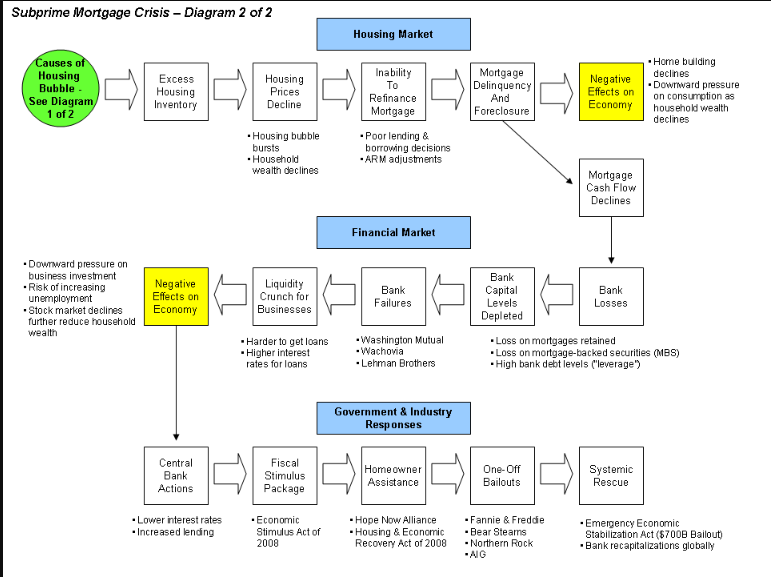
Wider economic trends can trigger debt for even the most careful individuals and businesses. During a recession, companies may lay off workers to cut costs. This leads to a sudden loss of income for households, who may need to rely on debt to pay for necessities like housing and food.
At the same time, those same businesses see their sales decline because unemployed people are spending less. This revenue drop can force companies to take on loans to survive the downturn. It's a difficult cycle where economic hardship creates the need for debt, which can further strain finances for everyone involved.
Understanding these causes is not about placing blame. It's about recognizing the patterns, both in our own behavior and in the world around us, that lead to debt. By identifying the root causes, we can start to build more resilient financial habits and systems.
Let's review some of the key ideas we've covered.
Now, check your understanding of these concepts.
What is a primary reason an individual might accumulate debt unintentionally over time?
A business taking out a loan to open a new location is an example of using debt for what purpose?
Recognizing how debt begins is the first step toward gaining control over it.