Navigating Perimenopause Your Health Guide
Hormonal Changes
The Main Players
Throughout your reproductive years, two key hormones orchestrate the monthly menstrual cycle: estrogen and progesterone. Think of them as dance partners. They work together in a predictable rhythm, with one leading and then the other, to prepare your body for a potential pregnancy each month.
Estrogen
noun
A group of steroid hormones that promote the development and maintenance of female characteristics of the body. The main one is called estradiol.
Estrogen is the dominant hormone in the first half of your cycle. Its main job is to thicken the lining of the uterus, making it a welcoming environment for a fertilized egg. But its influence extends far beyond the uterus. Estrogen also plays a role in maintaining bone density, regulating cholesterol levels, and even affecting your mood and cognitive function by interacting with neurotransmitters in the brain.
Progesterone
noun
A steroid hormone released by the corpus luteum that stimulates the uterus to prepare for pregnancy.
After ovulation, progesterone takes the lead. It keeps the uterine lining thick and ready, and if pregnancy occurs, its levels remain high. If not, progesterone levels fall, signaling your body to shed the lining and begin a new cycle. Progesterone also has a calming, balancing effect on the body and brain, often counteracting some of estrogen's more stimulating effects. This balanced dance is the hallmark of a regular menstrual cycle.
The Rhythm Changes
Perimenopause begins when your ovaries gradually start producing less estrogen. But this isn't a smooth, steady decline. Instead, the process is often erratic and unpredictable. Think of it less like a gentle sunset and more like a flickering lightbulb.
Perimenopausal women are actually some of the most symptomatic people because of the wild fluctuations in their hormones.
During perimenopause, your hormone levels can swing dramatically. Some months, your estrogen might soar to levels higher than they were during your younger reproductive years. Other months, it might plummet. Progesterone production also becomes less reliable as ovulation becomes less frequent. Anovulatory cycles, where no egg is released, mean no progesterone is produced that month, leading to an imbalance where estrogen is left unchecked.
This new, unpredictable pattern is what causes the physical and emotional changes associated with perimenopause. The body, accustomed to a steady rhythm for decades, now has to adapt to these chaotic signals.
A System-Wide Update
These hormonal shifts don't just affect your reproductive organs. They send ripple effects throughout your entire endocrine system. The endocrine system is a network of glands—including the ovaries, pituitary gland, and hypothalamus in the brain—that communicate using hormones.
For years, these glands have operated in a finely tuned feedback loop. The brain sends signals to the ovaries, the ovaries produce hormones, and those hormones signal back to the brain. During perimenopause, this communication becomes disrupted.
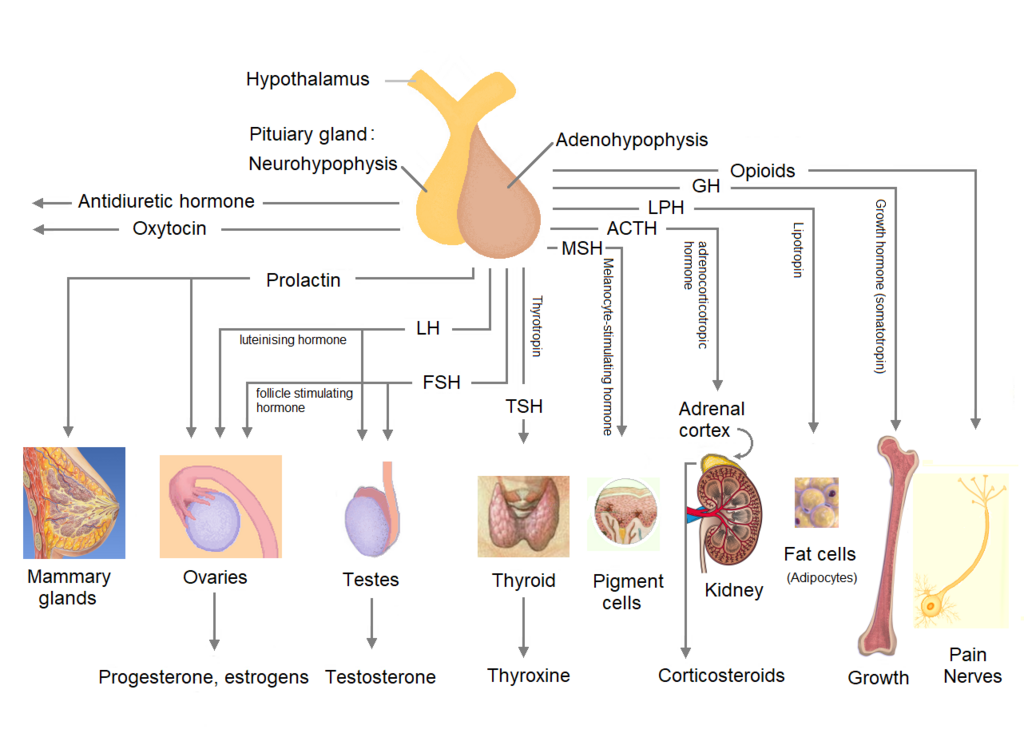
For example, the pituitary gland may release more follicle-stimulating hormone (FSH) in an attempt to get the ovaries to respond and produce more estrogen. This is why high FSH levels are often a clinical indicator of perimenopause. The entire system is trying to adjust to the ovaries' changing output, creating a state of flux that affects nearly every part of the body.
What is the primary role of estrogen in the first half of the menstrual cycle?
During perimenopause, the decline in estrogen production is best described as: