Navigating Parenthood's First Steps
Understanding Fertility
The Building Blocks of Fertility
Understanding fertility starts with the basics of the human reproductive systems. Both partners play an equal role, and each system is a marvel of biological engineering designed for one primary purpose: creating new life.
Let's begin with the female reproductive system. The key players are the ovaries, fallopian tubes, uterus, and cervix. The ovaries are two small, oval-shaped glands that sit on either side of the uterus. They have two main jobs: producing eggs and releasing the hormones estrogen and progesterone.
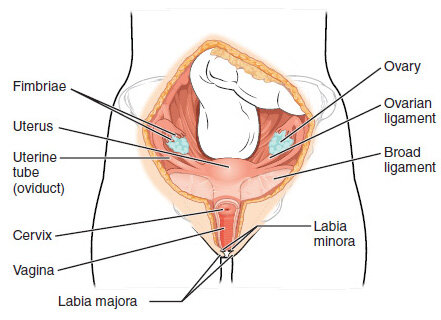
Each month, an egg matures inside one of the ovaries. When it's ready, it's released and travels down a fallopian tube. These tubes are narrow pathways connecting the ovaries to the uterus. This is where fertilization—the meeting of egg and sperm—usually happens.
The uterus, a pear-shaped organ, is where a fertilized egg will implant and grow. Its inner lining, the endometrium, thickens each month to prepare for a potential pregnancy. If no pregnancy occurs, this lining is shed, which leads to a menstrual period. The cervix is the lower part of the uterus that opens into the vagina.
Now, for the male reproductive system. Its primary role is to produce and deliver sperm. The main organs are the testes, which produce sperm and the hormone testosterone. From the testes, sperm travel through a series of ducts, mixing with fluids from glands like the prostate to create semen. This fluid nourishes and protects the sperm on its journey.
The Monthly Rhythm
For conception to be possible, everything must be timed perfectly. This timing is governed by the menstrual cycle, a monthly series of changes a woman's body goes through in preparation for a potential pregnancy. While the average cycle is 28 days, it can vary from person to person. The cycle is controlled by a complex interplay of hormones.
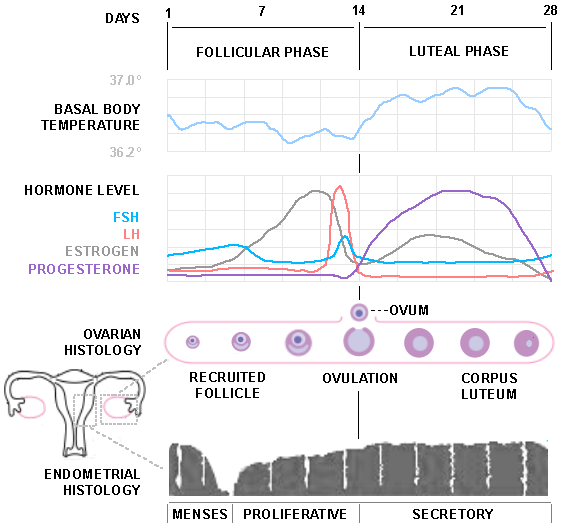
The cycle has two main phases:
-
Follicular Phase: This phase starts on the first day of your period and lasts until ovulation. During this time, the pituitary gland in the brain releases Follicle-Stimulating Hormone (FSH). FSH tells the ovaries to prepare an egg for release. Several small sacs, called follicles, begin to grow, but usually only one becomes dominant and continues to mature. As the follicle grows, it produces estrogen, which causes the uterine lining to thicken.
-
Luteal Phase: This phase begins after ovulation. The remains of the follicle that released the egg transform into a structure called the corpus luteum. It starts producing progesterone, another key hormone. Progesterone makes the uterine lining even thicker and more receptive to a fertilized egg. If the egg isn't fertilized, the corpus luteum breaks down, hormone levels drop, and the uterine lining is shed, starting the next period.
Pinpointing Ovulation
The most critical event in the menstrual cycle for conception is ovulation. This is the moment the mature egg is released from the ovary. It typically happens around the middle of the cycle, but the exact day can vary. After release, the egg is viable for about 12 to 24 hours.
Sperm, on the other hand, can survive in the female reproductive tract for up to five days. This means the fertile window—the days you're most likely to conceive—is longer than just the day of ovulation.
So how do you know when you're ovulating? The body provides several clues. A sharp spike in Luteinizing Hormone (LH) from the pituitary gland triggers ovulation about 24 to 36 hours later. This LH surge is what ovulation predictor kits detect.
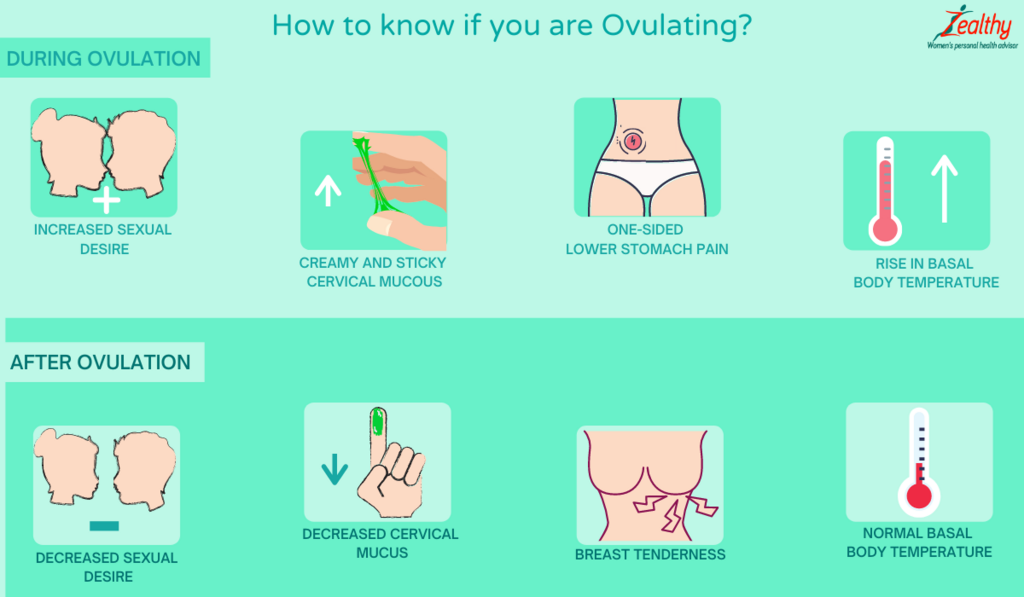
Other common signs include:
- Changes in cervical mucus: As you approach ovulation, mucus becomes clearer, thinner, and more slippery, resembling raw egg whites. This helps sperm travel to the egg.
- Rise in basal body temperature: Your resting body temperature increases slightly right after ovulation occurs.
- Mild cramping: Some women experience a slight pain or cramp on one side of their lower abdomen, known as Mittelschmerz.
Factors That Influence Fertility
Fertility is not just about anatomy and hormones; it's also influenced by overall health and lifestyle. Several factors can affect the chances of conception for both partners.
Age is one of the most significant factors, especially for women. A woman is born with all the eggs she will ever have. As she ages, the quantity and quality of these eggs decline, particularly after the mid-30s. Male fertility also declines with age, though more gradually.
Health and Lifestyle choices play a major role. Maintaining a healthy weight is crucial, as being significantly overweight or underweight can disrupt hormone levels and ovulation. Smoking and excessive alcohol consumption are known to negatively impact fertility in both men and women. Similarly, high levels of stress can interfere with the hormones that regulate reproduction.
A balanced diet and regular, moderate exercise can support overall health and, in turn, reproductive health. By understanding and managing these factors, you can help create the best possible conditions for conception.
Let's check your understanding of these core concepts.
Where does the fertilization of an egg by a sperm typically occur?
What is the primary trigger for ovulation, the release of a mature egg from the ovary?
Understanding these fundamentals provides a solid foundation for the journey ahead. Knowing how your bodies work, tracking the menstrual cycle, and embracing a healthy lifestyle are powerful first steps.