Navigating Parenthood as a Partner and Husband
Understanding Fatherhood
The New Era of Fatherhood
The idea of what it means to be a father is changing. For a long time, the dad's primary role was seen as the provider and disciplinarian, often loving but emotionally distant. Today, that model is evolving into something more hands-on and nurturing.
The landscape of fatherhood has undergone a remarkable transformation over the past decades, with an increasing number of fathers actively seeking deeper involvement in their children’s lives.
This isn't just a trend. It's a fundamental shift towards recognizing that fathers are crucial caregivers, not just helpers. Their active participation, right from pregnancy and into the early years, has a profound impact on everyone in the family.
Why Dad's Involvement Matters
When a father is actively involved, the benefits for a child are immense. Children with engaged fathers tend to have better social skills, higher self-esteem, and stronger problem-solving abilities. They often perform better academically and are more resilient when facing stress.
The way fathers play, for example, is often more physical and encourages risk-taking in a safe environment. This kind of interaction helps children learn to regulate their emotions and push their own boundaries, building confidence along the way.
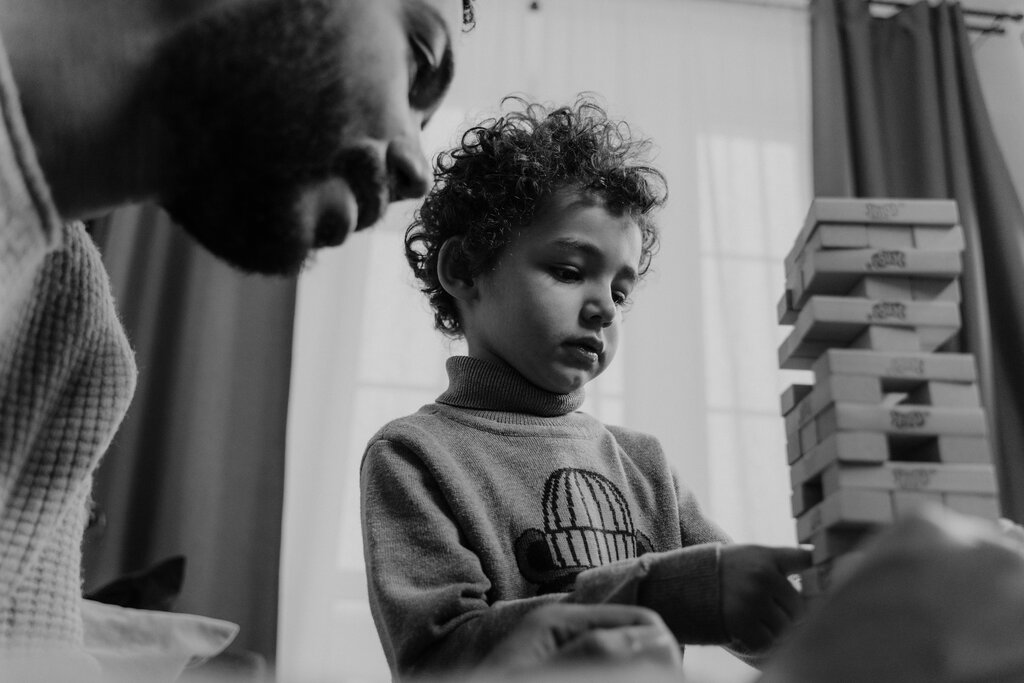
This connection starts early. A father's voice can be soothing to a newborn, and his touch is just as important as a mother's for creating a secure attachment. This early bond lays the groundwork for a lifetime of trust and emotional security.
The Rewards and Hurdles
The benefits aren't just for the child. Fathers who are deeply involved in their children's lives report greater happiness, a stronger sense of purpose, and even better physical health. This active role strengthens the bond with their partner and builds a more resilient family unit.
Of course, stepping into this role isn't always easy. Many new fathers face significant challenges.
Common hurdles for new fathers include feeling unprepared, navigating shifting relationship dynamics with their partner, balancing work and family life, and dealing with outdated societal expectations of masculinity.
It’s also important to recognize that fathers can experience postpartum depression, though it's often overlooked. Feeling overwhelmed, disconnected, or irritable are signs to take seriously.
Overcoming these challenges starts with communication. Talking with your partner, other fathers, or a trusted friend can make a huge difference. Educating yourself through books, classes, or reliable online resources builds confidence and provides practical tools.
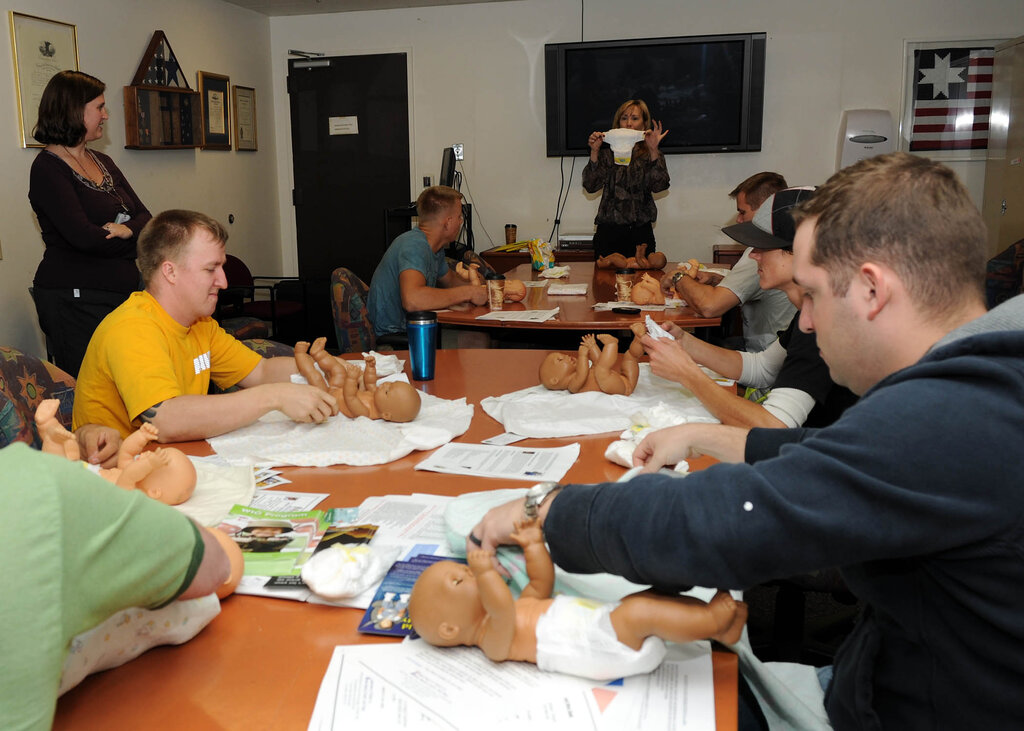
It's also crucial to be patient with yourself. No one is a perfect parent overnight. The goal isn't perfection, but presence. Showing up, being engaged, and learning as you go is what truly matters.
According to the text, the modern role of a father is shifting from primarily a provider and disciplinarian to one that is more...
Which of the following is a noted benefit for children with actively involved fathers?
Being an active, engaged father has a lasting positive effect on children's development and brings immense fulfillment. It's a journey of learning and growing, for both you and your child.