Navigating Layoffs Financial and Career Strategies
Understanding Layoffs
Why Layoffs Happen
Losing a job can feel intensely personal, but layoffs are usually driven by larger business factors, not individual performance. Companies make these decisions for several common reasons.
Economic downturns are a primary cause. When the economy slows, consumer spending often drops, forcing companies to cut costs. This can lead to widespread layoffs across an industry or the entire market. A company might also undergo restructuring to become more efficient or change its focus. This could mean eliminating departments that are no longer aligned with its goals.
Mergers and acquisitions are another frequent trigger. When two companies combine, they often have overlapping roles. To eliminate this redundancy, the new, larger company may lay off employees. Finally, technological advancements can make certain jobs obsolete, leading to layoffs as companies adopt new tools and automate tasks.
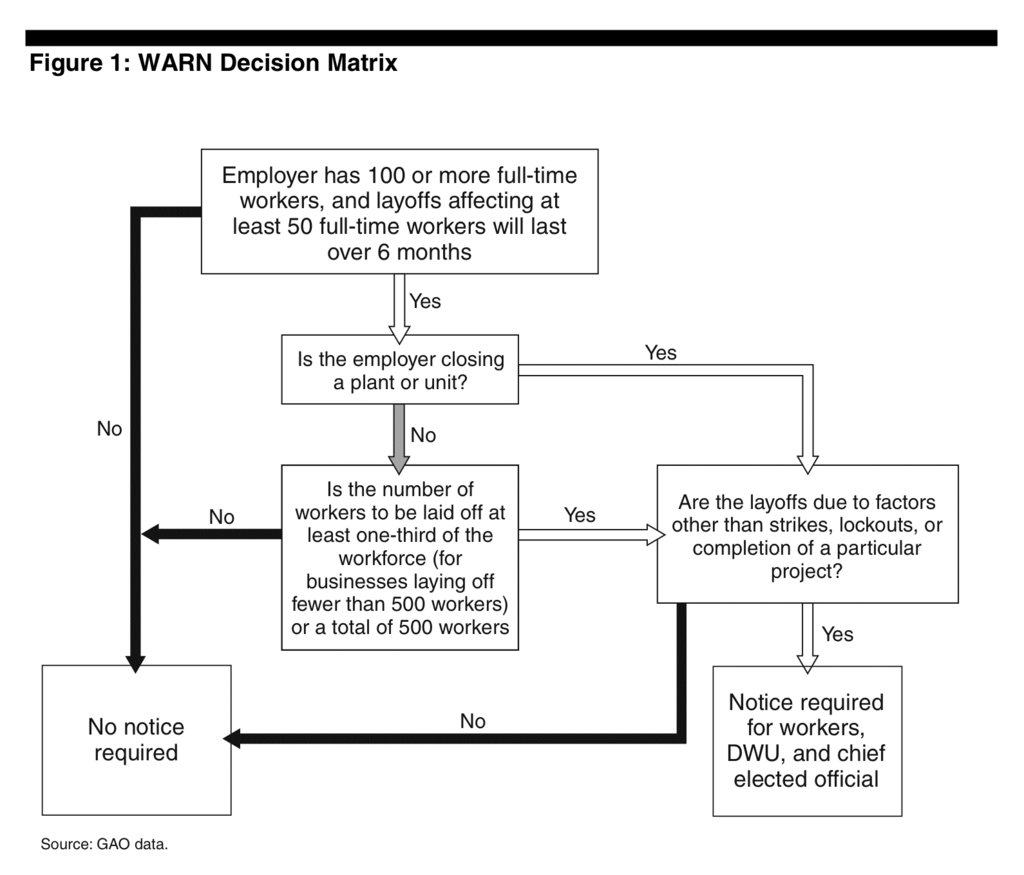
Understanding the business logic behind a layoff doesn't make it easier, but it can help frame the situation as a business decision rather than a personal failure.
The Emotional Impact
A layoff can trigger a wide range of strong emotions. It's common to feel shock, denial, anger, sadness, and anxiety, sometimes all at once. For many people, a job is a significant part of their identity, and losing it can feel like a loss of self.
This experience is often compared to a grieving process. You're not just losing an income; you're also losing a routine, a social circle of colleagues, and a sense of purpose. It's crucial to acknowledge these feelings and give yourself permission to experience them without judgment.
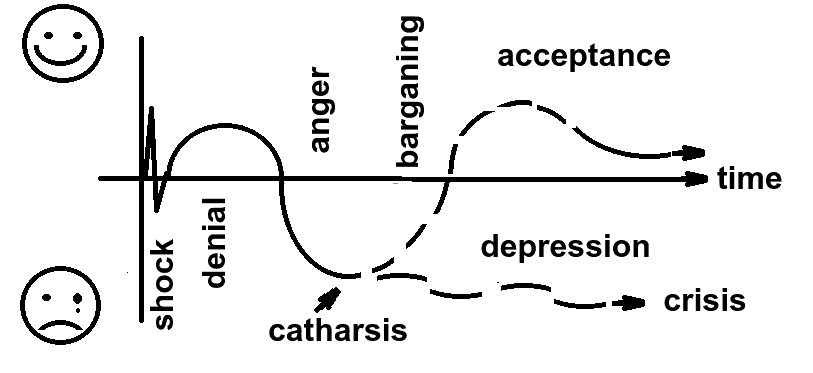
Allow yourself a few days to work through all the emotions that come with a layoff,” she advises.
Resist the pressure to immediately jump into a job search. Taking time to process the situation is a healthy and necessary step before you can move forward with a clear mind.
What to Do Right Away
While processing your emotions is key, there are a few practical steps to take in the immediate aftermath of a layoff. Your focus should be on gathering information and understanding your rights.
First, carefully read your separation agreement or layoff letter. This document outlines the terms of your departure, including details about your final paycheck, any severance pay, and the status of your benefits like health insurance. Don't sign anything immediately. You may want to have an employment lawyer review it, especially if the terms seem unclear or unfair.
Ask questions. Clarify when your health insurance ends and whether you can continue it through COBRA. Inquire about unused vacation or sick days, and ask for a contact person in HR for any future questions.
Also, be sure to gather important documents. This includes your layoff letter, recent pay stubs, and performance reviews. You will need these when you file for unemployment benefits, which you should do as soon as possible. Finally, update your contact information with your former employer to ensure you receive your final pay and tax forms like your W-2.
According to the text, which of the following is NOT a common business reason for layoffs?
The emotional experience of being laid off is often compared to the grieving process.
Navigating a layoff is challenging, but understanding the process and managing your immediate priorities can provide a sense of control during an uncertain time.