Navigating Layoffs Financial and Career Strategies
Understanding Layoffs
Why Layoffs Happen
Getting laid off can feel deeply personal, but it's rarely about your individual performance. Most of the time, a layoff is a business decision driven by factors far outside of your control. Understanding this can be the first step in processing the news.
Layoff
noun
The temporary or permanent termination of employment by an employer for reasons unrelated to the employee's performance.
Companies turn to layoffs for several reasons. A struggling economy might force a business to cut costs. A company might restructure, eliminating entire departments or merging roles to become more efficient. Sometimes, two companies merge, creating redundant positions that need to be eliminated. Technological advancements can also make certain jobs obsolete.
In all these cases, the decision is strategic. It’s about the company's bottom line and future direction, not about you failing at your job.
Remember, a layoff is a reflection of the company's circumstances, not your worth as an employee.
The Emotional Impact
Even when you know it's not personal, losing a job is a significant life event. It can feel like a loss of identity, stability, and community. It's completely normal to experience a wide range of powerful emotions. You might feel shocked, angry, anxious, or sad. These feelings are valid, and it's important to acknowledge them.
If you’re navigating a layoff, know that you’re not alone.
The process can feel a lot like grieving. You're mourning the loss of a routine, of colleagues, and of a future you had planned. Just like any grieving process, it takes time to work through these feelings. There's no right or wrong way to feel, and the emotional journey is different for everyone.
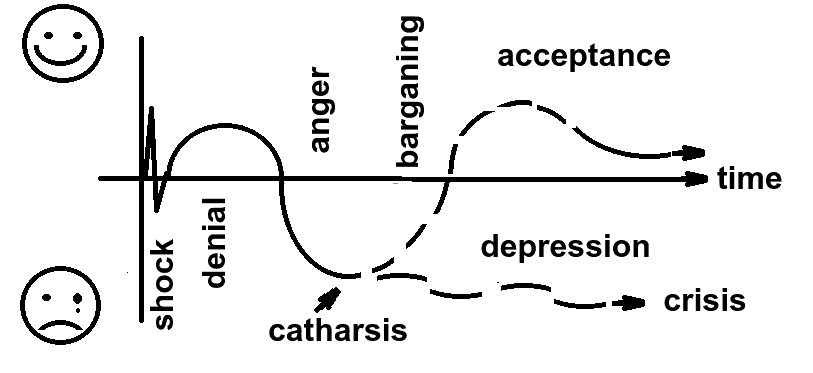
The key is to give yourself the space and permission to feel what you're feeling without judgment. This is a crucial part of moving forward.
“Allow yourself a few days to work through all the emotions that come with a layoff,” she advises.
Your Immediate Next Steps
When you receive the news, you might feel overwhelmed. It's okay to be stunned. Once the initial shock subsides, there are a few practical things you should focus on. This isn't about finding a new job tomorrow; it's about making sure your exit is as smooth and beneficial as possible.
Once you're aware of your layoff, it's important to make sure you receive everything that's rightfully yours.
Before you leave the building (or log off for the last time), focus on these key items:
-
Understand Your Severance Package: Ask for the details in writing. What does it include? How will it be paid out? Is it negotiable? Don't feel pressured to sign anything immediately. You can and should take time to review the documents, perhaps with a legal advisor.
-
Clarify Your Benefits: Ask about your health insurance. How long will you be covered? Learn about COBRA, a law that allows you to continue your health coverage for a period, though you'll have to pay the full premium. Also, ask about any accrued vacation time, sick days, or bonuses that are owed to you.
-
Get a Letter of Recommendation: If possible, ask your manager for a letter of recommendation while their memory of your contributions is fresh. At the very least, confirm who can serve as a reference in the future and what information the company will provide to potential employers who call.
-
Exchange Contact Information: Get the personal contact details of colleagues and managers you want to stay in touch with. These professional connections are valuable, and they're much harder to track down after you've left.
Taking care of these logistical details can provide a sense of control during an uncertain time and set you up for a more stable transition to whatever comes next.
Ready to check your understanding?
What is the most common reason for a company to conduct layoffs?
The emotional journey after being laid off is often compared to which other process?
Dealing with a layoff is challenging, but understanding the process and managing your immediate priorities can make a significant difference. Give yourself time to process, handle the necessary logistics, and then you can begin to look toward the future.