Navigating Herodotus Histories
Introduction to Herodotus
The First Historian
Before the 5th century BCE, the past was the stuff of myth and epic poetry. Tales of gods and heroes, like those in Homer's Iliad, explained the world. But no one had tried to create a systematic, factual account of what actually happened and why. That changed with a man named Herodotus.
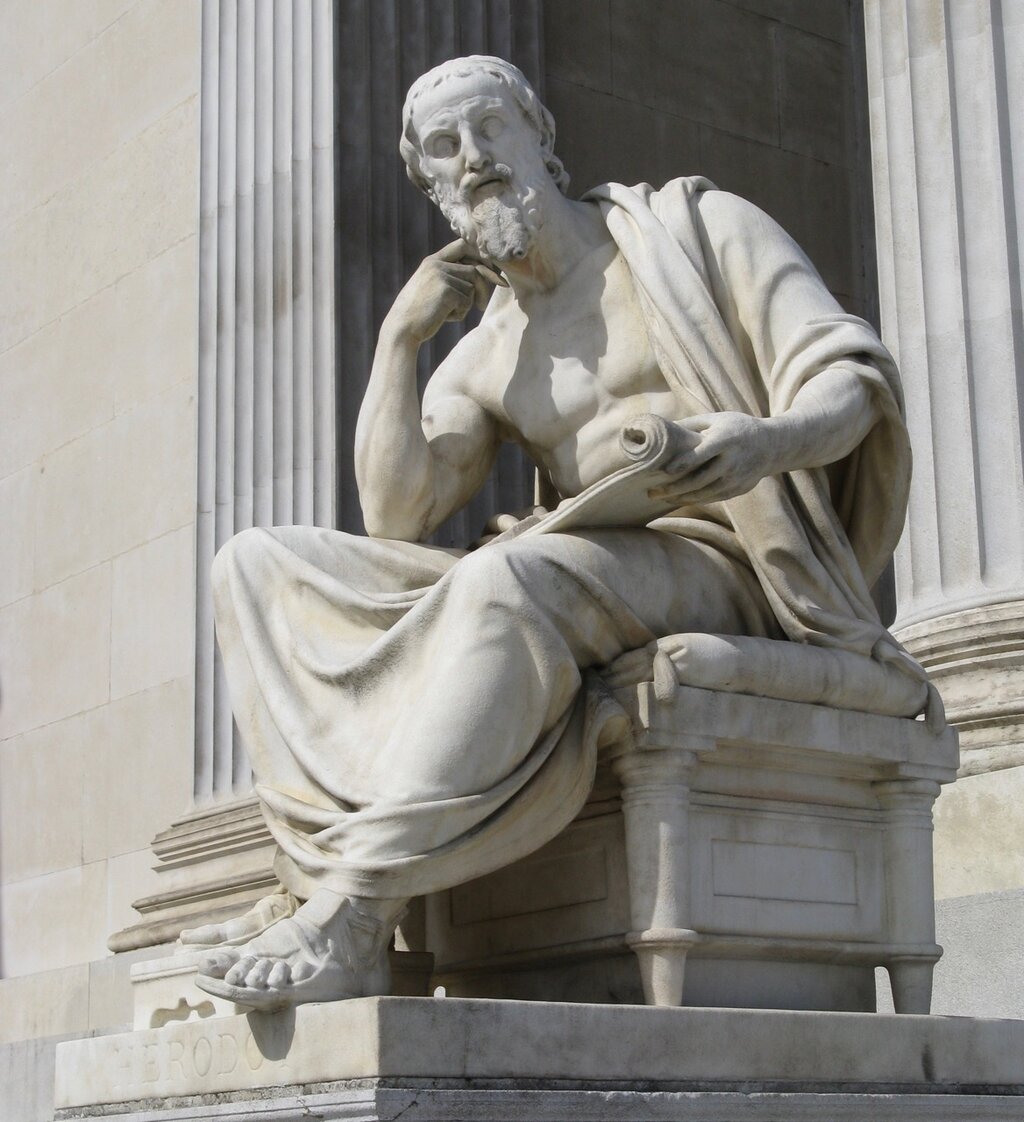
Born around 484 BCE in Halicarnassus, a Greek city under Persian rule, Herodotus had a unique vantage point. He was a product of both cultures that would soon clash in one of the ancient world's most significant conflicts: the Greco-Persian Wars. This experience fueled his life's work.
Herodotus was an avid traveler. He journeyed through Egypt, across the Persian Empire, and around the Greek world, talking to everyone he could: priests, soldiers, merchants, and local officials. He wasn't just recording events; he was investigating them. This method of active investigation is captured in the Greek word he used to describe his work.
inquiry
For Herodotus, history wasn't a collection of dusty facts. It was an active process of asking questions, gathering evidence, and weighing different perspectives to understand the causes and effects of human actions. This was a revolutionary idea.
A Sprawling Inquiry
Herodotus compiled his findings into a single, massive work known as The Histories. The book's central theme is the conflict between the Persian Empire and the independent Greek city-states. But it's far more than just a war story. To explain the conflict, Herodotus believed he needed to explain the people involved.
He cast a wide net, dedicating large sections to the geography, culture, religion, and politics of places like Egypt, Scythia, and Babylon. He describes the flooding of the Nile, the process of mummification, and the unique customs of nomadic tribes. This makes The Histories a treasure trove of early anthropology and ethnography.
The Histories is structured like a grand journey, with the main narrative of the Persian Wars frequently pausing for fascinating digressions into the lands and peoples the Persians conquered.
The work is divided into nine books, named after the Muses. The first few books set the stage, detailing the rise of the Persian Empire. The later books build to a climax with the full-scale Persian invasions of Greece, covering the famous battles of Marathon, Thermopylae, and Salamis. His goal was to preserve the memory of great deeds and, most importantly, to explore the reasons for the conflict.
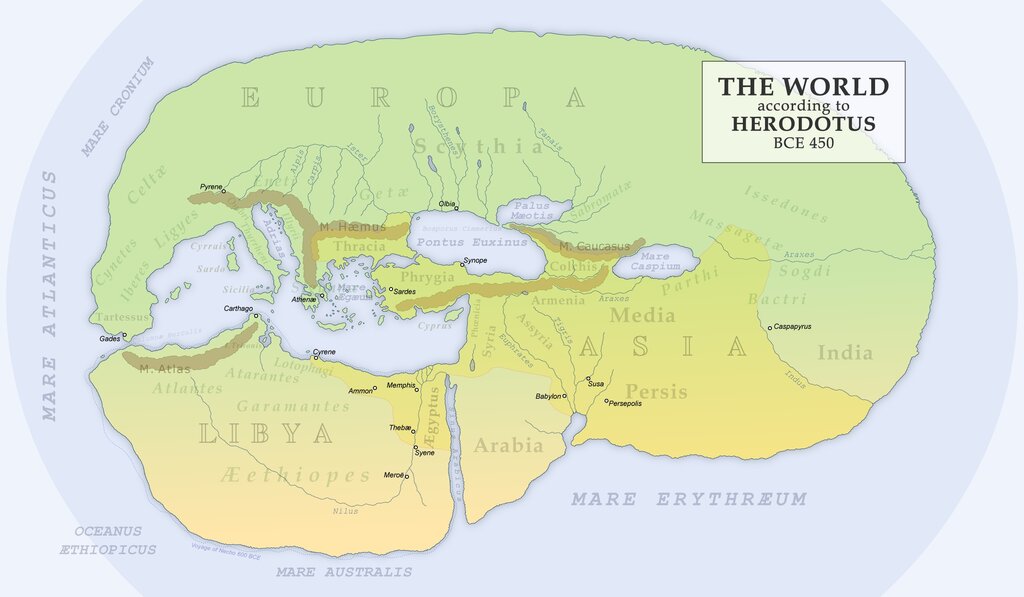
The Birth of Historiography
While Herodotus sometimes reported fantastical stories and myths alongside factual accounts, his ambition was groundbreaking. He was the first to attempt a comprehensive and organized narrative of the past based on investigation. He established the idea that history is a field of study with its own methods, distinct from poetry and myth.
His work laid the foundation for all who followed. Later historians, like Thucydides, would criticize his methods and aim for a more rigorous, purely political and military account. But they were building on the genre Herodotus had created. By moving the study of the past from the realm of the divine to the sphere of human action, Herodotus gave us the discipline of history itself.
It's time to check your understanding of this foundational figure.
What was Herodotus's primary innovation in the study of the past?
True or False: Herodotus's background as a Greek from a city under Persian rule gave him a unique perspective on the conflict he documented.