Navigating Heartbreak and Building Resilience
Understanding Heartbreak
The Brain in Pain
When you go through a breakup, the feeling of pain isn't just in your head. It’s a real, physiological event that your brain processes in a way that’s surprisingly similar to physical injury. When researchers put people who were recently heartbroken into fMRI machines, they saw something fascinating. The parts of the brain that light up when you, say, burn your hand also become active during intense social rejection.
Specifically, two areas are key players: the secondary somatosensory cortex and the dorsal posterior insula. These regions are involved in processing the intensity and location of physical pain. When your brain receives signals of social rejection, it seems to interpret them as a genuine threat to your well-being, much like a physical wound. This is why heartbreak can literally feel like an ache in your chest or a punch to the gut. Your brain isn't just being dramatic; it's responding to emotional distress using the same circuitry it uses for bodily harm.
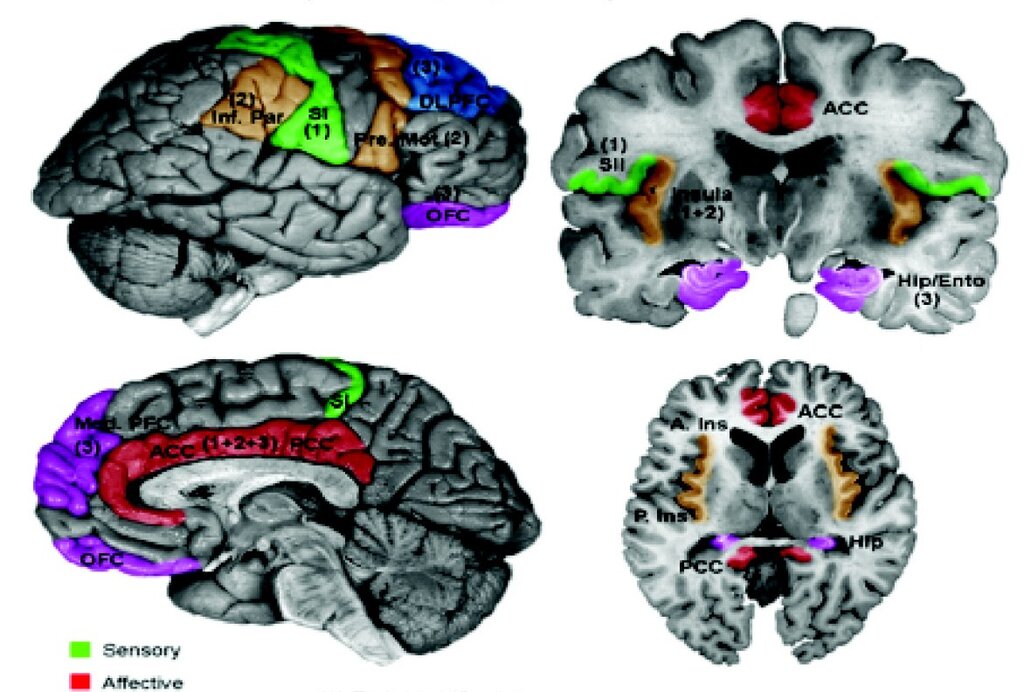
This overlap is a relic of our evolutionary past. For early humans, social bonds were essential for survival. Being cast out from the group was a death sentence. As a result, our brains evolved to treat social rejection as a critical, painful event that needed immediate attention.
The Emotional Epicenter
Deep inside the brain lies the limbic system, the headquarters for our emotions, memories, and basic drives. This collection of structures is central to the experience of love and the devastation of its loss. When you fall for someone, the limbic system is flooded with activity, forging powerful emotional and memory pathways. When that person is gone, the system goes into overdrive.
The amygdala, our brain's alarm system, often becomes hyperactive. This can lead to the intense anxiety, panic, and feelings of dread that are common during heartbreak. It’s constantly scanning for threats, and the loss of a significant attachment figure is perceived as a major one.
Meanwhile, the hippocampus, which is crucial for forming and retrieving memories, works against you. It replays memories of the relationship, leading to intrusive thoughts and a cycle of rumination. You might find yourself stuck thinking about specific moments, trying to understand what went wrong. This isn't a lack of willpower; it's your brain's memory center struggling to reconcile the past with the painful present.
A Chemical Crash
Love doesn't just change your thoughts; it changes your brain chemistry. Two neurotransmitters are particularly important: dopamine and oxytocin. When you're in a happy relationship, these chemicals flow freely, creating feelings of pleasure, reward, and deep connection.
Dopamine is the brain's reward chemical. It's released when we do something pleasurable, motivating us to do it again. In a relationship, spending time with your partner provides a steady dopamine hit. When the relationship ends, that supply is abruptly cut off. The brain's reward pathways are suddenly deprived, leading to a state similar to withdrawal from an addiction. This is where the intense cravings for the person, the obsessive thoughts, and the deep sense of loss come from. Your brain is essentially demanding its fix.
Oxytocin, often called the "cuddle hormone," is crucial for social bonding and attachment. It creates feelings of trust, security, and closeness. After a breakup, oxytocin levels can plummet, contributing to feelings of loneliness, disconnection, and a deep yearning for the lost bond.
The sudden drop in dopamine and oxytocin after a breakup creates a neurochemical state of withdrawal, driving feelings of craving and intense loneliness.
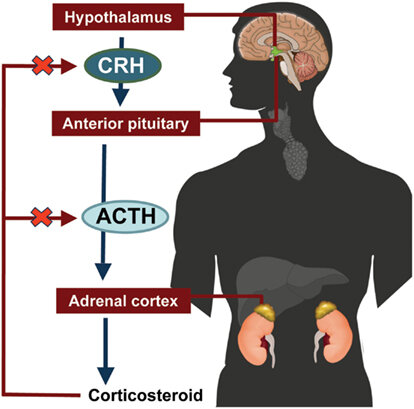
The body also reacts strongly to this emotional turmoil. The stress of heartbreak activates the hypothalamic-pituitary-adrenal (HPA) axis, your body's central stress response system. This floods your system with stress hormones like cortisol.
In the short term, cortisol is helpful for dealing with threats. But when it remains elevated for long periods, as it often does during heartbreak, it can cause a range of physiological symptoms. These can include difficulty sleeping, a suppressed immune system (making you more likely to get sick), changes in appetite, and that feeling of a 'heavy heart' or tightness in your chest. It's your body stuck in a prolonged state of fight-or-flight, even though the threat is emotional, not physical.
Heartbreak is a complex experience that engages our brains and bodies on multiple levels. The pain is not imagined; it's a deep-seated biological response to the loss of a significant attachment, rooted in our fundamental need for connection.