Navigating Ego Development
Introduction to Ego Development
The Evolving Self
When you hear the word “ego,” you might think of someone who’s arrogant or self-centered. In psychology, however, the ego has a much broader and more neutral meaning. It’s the part of your personality that navigates the world, making sense of your experiences and forming your sense of self, or your “I.”
Ego
noun
The component of personality that is responsible for dealing with reality and serves as the organizing, synthesizing, and integrating force of the self.
Ego development is the story of how this sense of self grows and changes over a lifetime. It's not about the ego getting bigger or smaller, but about it becoming more complex, sophisticated, and capable. This journey charts the progression from a simple, concrete understanding of the world in childhood to a more nuanced, abstract, and integrated perspective in adulthood.
Think of ego development as the gradual upgrading of your internal operating system. Each stage allows you to process more complex information about yourself, others, and the world around you.
Studying this process is important because it helps us understand the very foundation of human maturity. It explains how two people can look at the same situation and interpret it in vastly different ways. Their level of ego development shapes their values, their moral reasoning, how they handle conflict, and what they strive for in life. It’s the master trait that influences all others.
Mapping the Journey
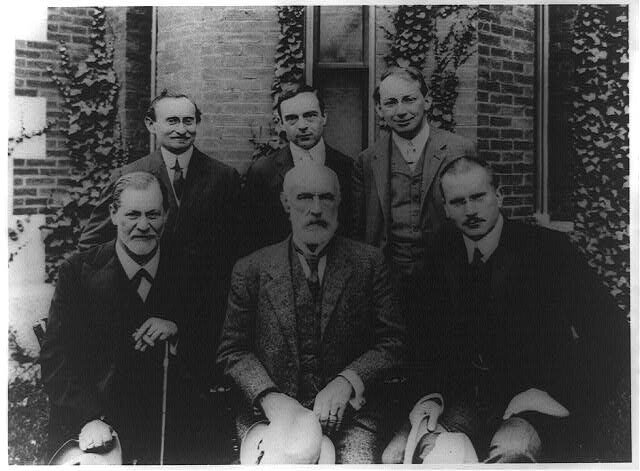
Several key thinkers have created maps to help us understand the terrain of ego development. While Sigmund Freud laid some of the earliest groundwork by describing the ego as the mediator between our primal urges (the id) and our moral conscience (the superego), later theorists expanded this view dramatically.
Erik Erikson was a pivotal figure who shifted the focus. He proposed that our personality develops through a series of eight psychosocial stages, from infancy to old age. Each stage presents a unique conflict or challenge that the ego must resolve, such as trust vs. mistrust in infancy or identity vs. role confusion in adolescence. His work highlighted the crucial role of social and cultural experiences in shaping who we become.
Intrigued by the writing of Erikson, Jane Loevinger (1976) conceptualized a theory of ego development that was based on Erikson’s psychosocial model, although it was modified theoretically.
Jane Loevinger built on these ideas to create one of the most comprehensive models. She wasn't just interested in what people think, but how they think. Her theory describes a sequence of stages that represent increasingly complex ways of making sense of oneself and the world. Moving through these stages involves a fundamental shift in a person's frame of reference. More recent researchers, like Susanne Greuter, have continued to refine and expand on Loevinger's work, keeping the field vibrant and relevant.
These theories provide a framework for understanding personal growth not as a random process, but as a predictable, sequential journey toward greater awareness and integration.