Navigating Difficult Parent Interactions
Understanding Parent-Teacher Dynamics
A Powerful Partnership
Think of a student's education as a journey. You, the teacher, are an expert guide for one part of that path—the academic and social world of school. The parent is the expert guide for the other part—the child’s history, personality, and home life. When both guides work together, the student has a clear, supported path forward.
This collaboration is more than just a nice idea; it's essential. Parents hold unique insights into their child's strengths, challenges, and motivations that aren't always visible in a classroom of 25 students. You hold the professional knowledge of curriculum, child development, and classroom dynamics. Combining these perspectives creates a holistic view of the student, allowing for more targeted and effective support.
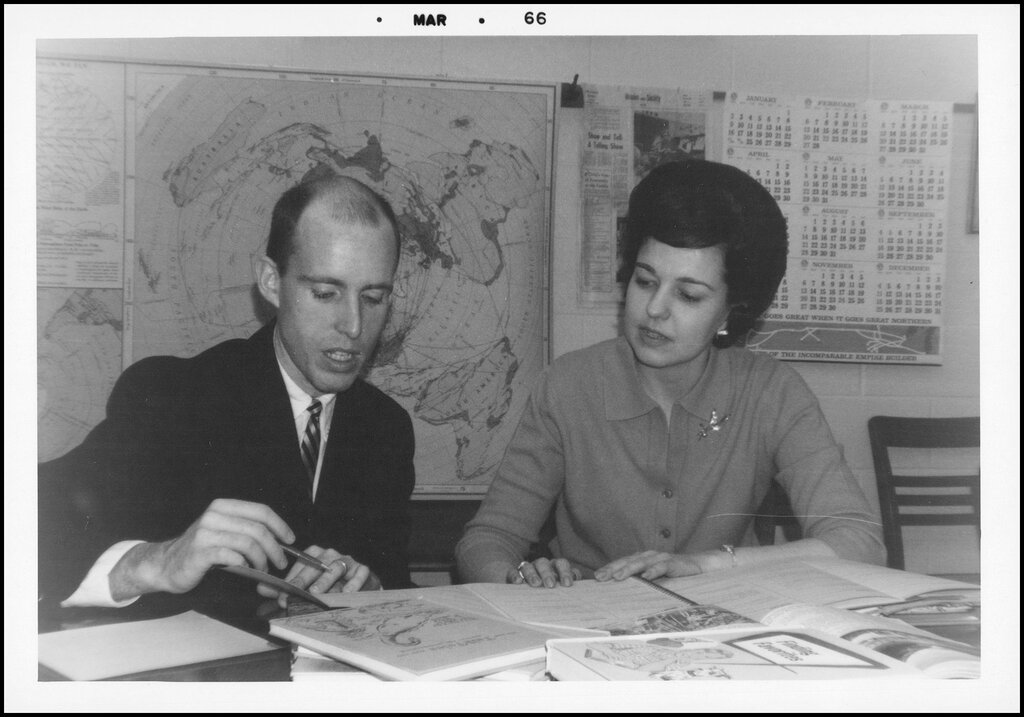
When parents and teachers form a partnership, the student is the clear winner. They see the most important adults in their life communicating and working as a team for their benefit. This sense of security and shared expectation can boost their confidence, engagement, and overall academic performance.
Navigating Common Hurdles
Of course, this partnership isn't always seamless. Interactions can be strained by different perspectives, past experiences, and practical constraints. Recognizing these common challenges is the first step toward overcoming them.
| Challenge | The Underlying Issue | A Constructive Mindset |
|---|---|---|
| Different Perspectives | A parent sees their individual child; a teacher sees that child within a group and curriculum. | Both views are valid and necessary. How can we combine them? |
| Communication Gaps | Busy schedules and different communication preferences can lead to misunderstandings or missed information. | Assume positive intent. Seek to clarify before making judgments. |
| Defensiveness | Parents may feel their parenting is being criticized. Teachers may feel their professional judgment is questioned. | We are partners, not adversaries. Focus on the shared goal: the student's well-being. |
| Time Constraints | Both parents and teachers are juggling numerous responsibilities, making in-depth communication difficult. | How can we make our limited communication time as efficient and productive as possible? |
For example, a parent might be concerned about their child feeling left out during recess. From their perspective, their child is lonely and needs immediate intervention. From your perspective, you see the child navigating normal social learning moments and developing independence. Neither view is wrong. The challenge is to bridge these perspectives with empathy and open dialogue, rather than letting them create a divide.
The Payoff of Effective Communication
Building a strong communicative bridge with parents pays enormous dividends. It transforms the dynamic from a series of stressful, problem-focused meetings into an ongoing, supportive conversation.
First, it allows for early and proactive problem-solving. A quick email or phone call about a minor, recurring issue—like a student forgetting their homework—can prevent it from escalating into a major academic problem. You can learn if there's something going on at home, and the parent can reinforce expectations.
Second, it creates consistent support for the student. When parents understand your classroom expectations and strategies, they can echo them at home. This alignment makes learning feel more manageable and less confusing for the child.
Hidden within virtually every conflict is the potential for a tremendous teaching/learning opportunity.
Ultimately, a strong partnership fosters trust. When parents trust that you have their child's best interests at heart, they become your biggest allies. They are more likely to support school initiatives, volunteer their time, and work with you collaboratively when challenges arise. This positive relationship contributes not just to one child's success, but to the health of the entire school community.
What is the primary metaphor used in the text to describe the roles of parents and teachers in a child's education?
A parent is worried their child seems lonely at recess. The teacher sees the child learning to navigate social situations independently. According to the text, what does this scenario illustrate?