Navigating Cosmetic Chemicals
Introduction to Cosmetic Ingredients
The Building Blocks of Beauty
Ever picked up a bottle of lotion or shampoo and wondered what all those long, scientific-sounding words on the back mean? You're not alone. Cosmetic and personal care products are complex mixtures, with each ingredient playing a specific role.
At its core, a cosmetic product is a carefully balanced formula designed to perform a function, whether it's cleaning your hair, moisturizing your skin, or adding a pop of color. Let's break down the most common types of ingredients you'll find on the label.
The Main Ingredients
While formulas vary wildly, most personal care products are built from a handful of core ingredient categories.
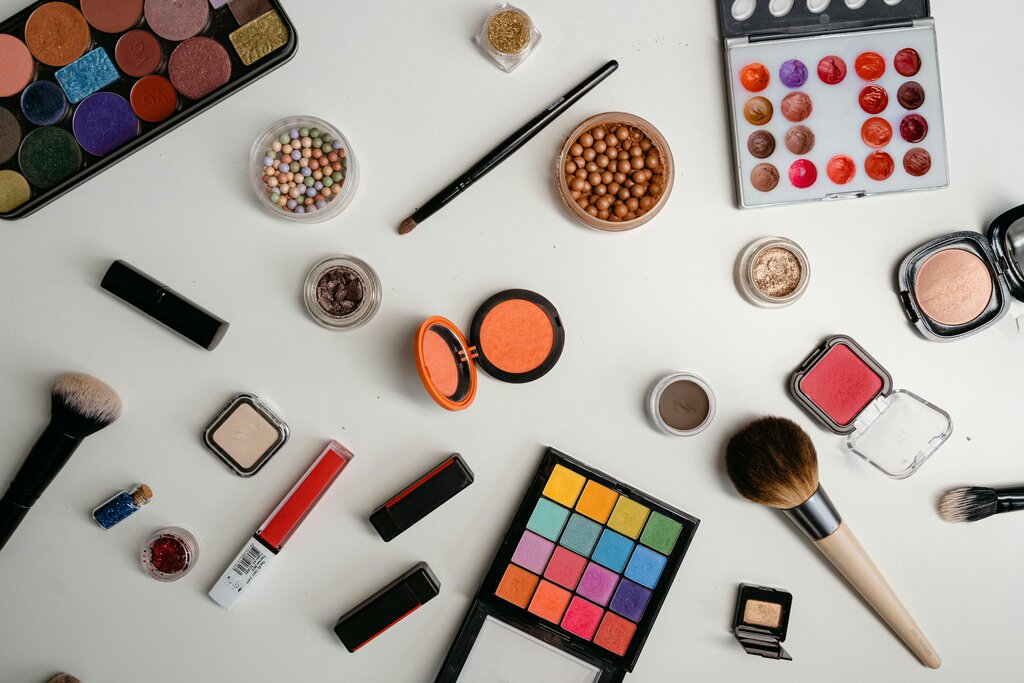
Water (Aqua): Often the first ingredient you'll see listed. Water is the primary solvent in many products, used to dissolve other ingredients and create the right consistency. Lotions, creams, shampoos, and conditioners are mostly water.
Emulsifiers: Oil and water don't mix, right? Emulsifiers are the peacemakers that hold them together, creating a stable, uniform product like a cream or lotion. Without them, your moisturizer would separate into a greasy layer and a watery one.
Preservatives: Any product containing water is a potential breeding ground for bacteria and mold. Preservatives are added in small amounts to prevent this contamination, keeping the product safe to use for its intended shelf life. Common examples include parabens and phenoxyethanol.
Thickeners: These ingredients control the viscosity, or thickness, of a product. They make your conditioner rich and creamy and give your shower gel its satisfying texture. Gums, such as xanthan gum, and certain types of alcohols are often used as thickeners.
Colorants: From the bold red of a lipstick to the subtle tint in a foundation, colorants provide the desired shade. These can be derived from mineral, plant, or synthetic sources. On an ingredient list, you might see them listed as CI numbers, which stands for Color Index.
Fragrances: Scents are added to make products more appealing. A single fragrance can be a complex blend of dozens of natural or synthetic chemicals. Because the exact formula is often a trade secret, you'll typically just see "Fragrance," "Parfum," or "Aroma" on the label.
Knowing the function of these basic categories can help you quickly understand the purpose of most ingredients in your personal care products.
How to Read an Ingredient List
Product labels can be confusing, but they follow a simple rule: ingredients are listed in order of concentration, from most to least. The first few ingredients usually make up the bulk of the product.
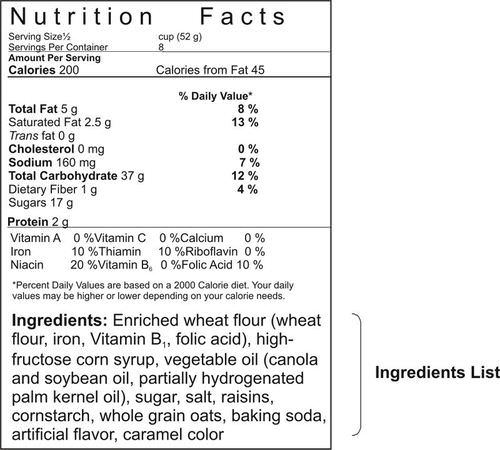
This means that if water (aqua) is the first ingredient, it's the most abundant substance in the formula. Ingredients that make up less than 1% of the total formula can be listed in any order at the end of the list. This is often where you'll find preservatives, colorants, and fragrance components.
Read the list of ingredients, which by law must be listed in order of decreasing abundance in the product.
Here's a breakdown of a simple hypothetical lotion to show how this works.
| Ingredient | Function | Why It's There |
|---|---|---|
| Water (Aqua) | Solvent | The base of the product |
| Glycerin | Humectant | Attracts moisture to the skin |
| Cetearyl Alcohol | Emulsifier / Thickener | Gives the lotion its creamy texture |
| Ceteareth-20 | Emulsifier | Helps oil and water mix |
| Shea Butter | Emollient | Softens and soothes the skin |
| Phenoxyethanol | Preservative | Prevents microbial growth |
| Fragrance (Parfum) | Scent | Provides a pleasant smell |
By understanding this order, you can get a good idea of what a product is mainly composed of. An ingredient listed near the end is present in a very small amount.
Ready to test your knowledge?
What is the primary function of an emulsifier in a cosmetic product like a lotion?
If you see 'Aqua' (Water) listed as the very first ingredient on a shampoo label, what can you conclude?
Understanding the basic building blocks of cosmetics is the first step toward making more informed choices about the products you use every day.