Navigating Clinical Licensure
Introduction to Clinical Licensing
The License to Heal
A clinical license is more than just a piece of paper. It’s a formal declaration that a medical professional has met a high standard of education and competence, and is fit to care for patients. The entire system is built around one core principle: protecting the public.
Think of it as a promise. When you see a licensed physician, you can trust they have a solid foundation of medical knowledge and have been vetted by a governing body. This process ensures that everyone practicing medicine, regardless of where they trained, meets the same essential benchmarks for safety and skill.
The Path to a License
While the specific details can vary, the journey to becoming a licensed clinician in the United States follows a well-defined path. It’s a multi-year process designed to build and test a candidate's abilities thoroughly. The path rests on three fundamental pillars: education, examination, and application.
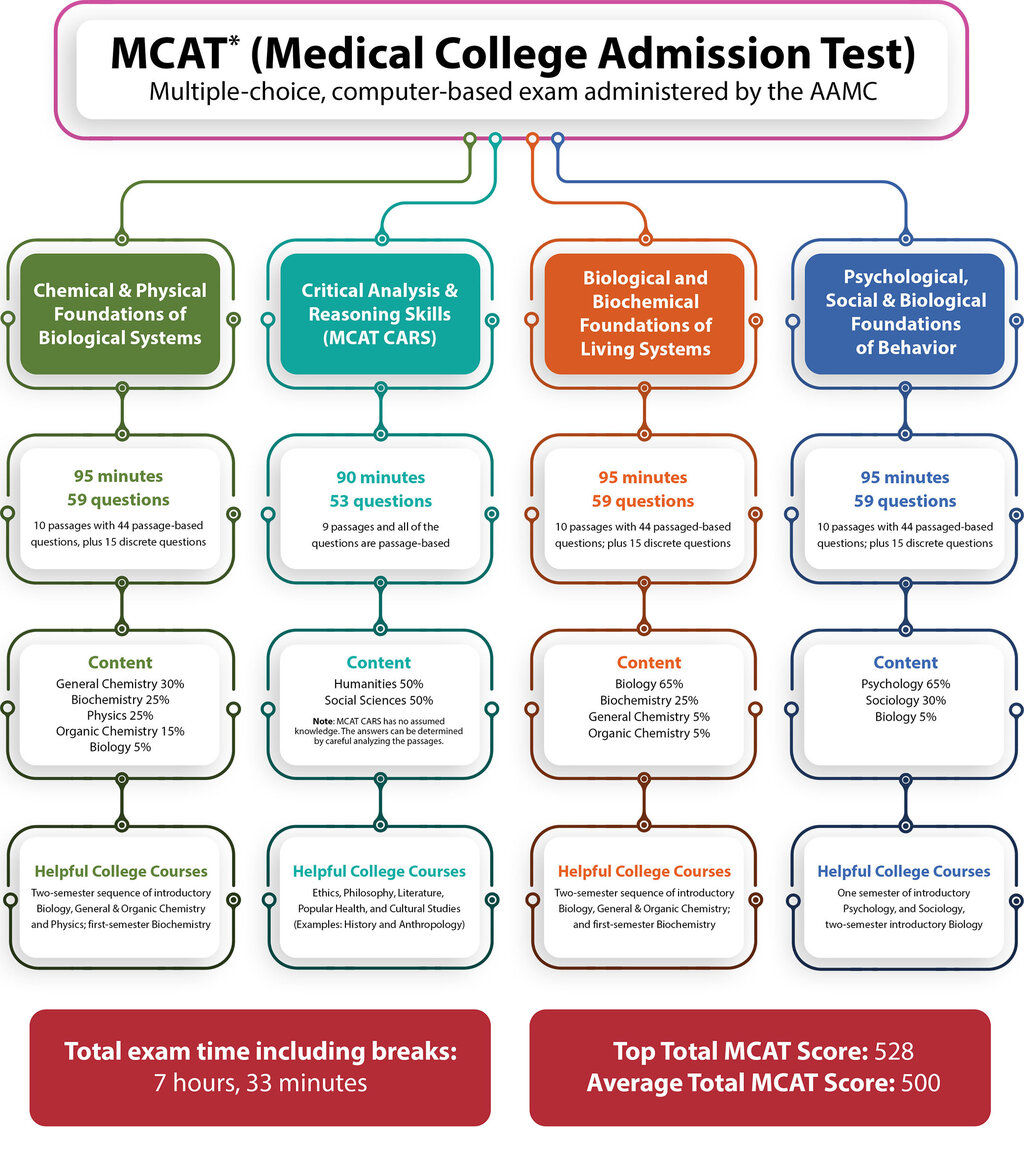
First comes education. This isn't just about attending classes. It means graduating from an accredited medical school, which itself requires completing a four-year undergraduate degree. This rigorous academic training provides the scientific and clinical foundation every doctor needs.
Next is examination. To prove their knowledge, candidates must pass a series of standardized national exams. The most common is the United States Medical Licensing Examination (USMLE). This multi-step test assesses a physician's ability to apply medical concepts and principles that are crucial for patient care. The exams are demanding by design, ensuring that only those with a deep understanding of medicine can proceed.
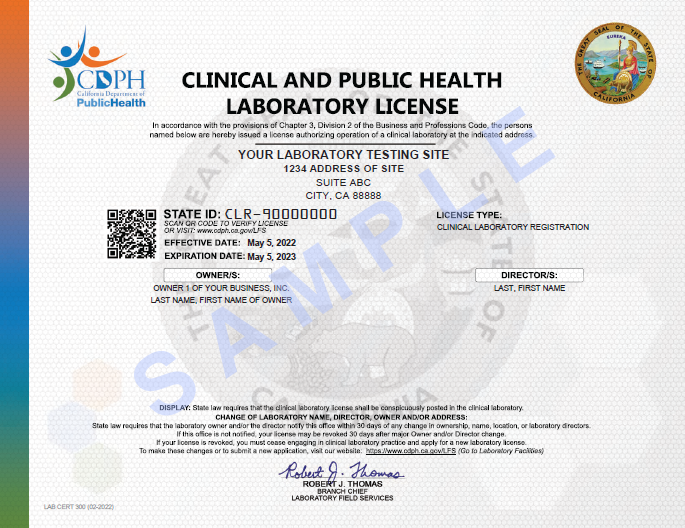
The final pillar is the application. After completing their education and passing their exams, aspiring doctors apply for a license from a specific state medical board. This is not a simple form. The application is a comprehensive dossier that includes school transcripts, exam scores, records of postgraduate training (like residency), and letters of recommendation. Applicants also undergo a thorough background check.
Each state's medical board reviews the application to verify that the candidate has met all requirements and has the moral character to practice medicine.
A medical license is granted by an individual state, not the federal government. A doctor licensed in California cannot simply start practicing in New York without obtaining a New York license.
Let's check your understanding of these core components.
What is the primary purpose of the clinical licensing system?
Which of the following are the three fundamental pillars of the journey to becoming a licensed clinician in the U.S.?
This three-pillar system of education, examination, and application is the bedrock of medical regulation in the U.S., ensuring a consistent standard of care for all patients.