Navigating Career Transitions and Layoff Recovery
Severance and Legal Rights
Beyond the Bare Minimum
Being made redundant is jarring, but the conversation doesn't end when you're told the news. What comes next is a process, and you have more agency than you might think. The initial offer from your employer is often just that: an offer. Your legal rights provide a foundation, but your employment contract and the specifics of the redundancy process itself can create opportunities for negotiation.
First, understand the two types of redundancy pay in the UK: statutory and contractual. Statutory Redundancy Pay is the legal minimum the government says you're entitled to if you've been with the company for at least two years. It's calculated based on your age, weekly pay (capped at a government-set limit), and length of service. Contractual redundancy pay is any amount your employer has promised in your employment contract, which must be at least as much as the statutory amount, but is often more generous.
| Feature | Statutory Redundancy Pay | Contractual Redundancy Pay |
|---|---|---|
| Source | UK Government Law | Your Employment Contract |
| Eligibility | Minimum 2 years' service | As specified in contract |
| Amount | Capped calculation based on age, pay, and tenure | Usually more generous; defined by company policy |
| Negotiable? | No, it's a legal minimum | The overall package often is |
The Settlement Agreement
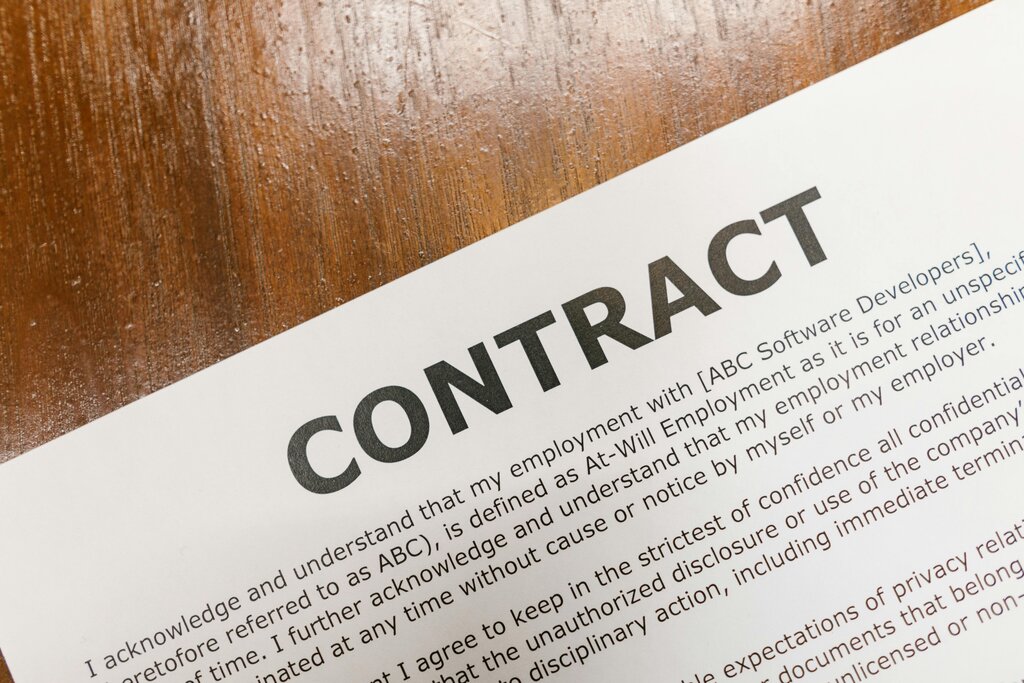
Often, an employer will present you with a 'Settlement Agreement'. This is a legally binding document where you agree to waive your right to bring future claims against the company, such as unfair dismissal, in exchange for a compensation package. This package is usually better than the statutory minimum.
Think of it as a clean break. The company gets legal certainty, and you get an enhanced payment and a clear path forward. You are legally required to get independent legal advice before signing a settlement agreement, and your employer will almost always contribute a fixed amount (typically £250-£500 + VAT) towards your legal fees for this.
This is where negotiation comes into play. The strength of your position depends on leverage. Did the company follow a fair and proper redundancy procedure? Were the selection criteria for redundancy objective and consistently applied? Any procedural flaws, however small, can be powerful negotiating tools. For example, if the consultation period felt rushed or if you believe the scoring matrix was biased, you can raise these points (via your legal advisor) to argue for a better settlement.
Leverage isn't about being confrontational. It's about calmly and professionally highlighting procedural irregularities to justify a more favourable exit package.
Anatomy of a Severance Package
A good package is more than just a lump sum. It's a collection of financial and non-financial benefits. Key financial components include:
- Redundancy Payment: This can be statutory or contractual, as we've discussed.
- Notice Pay: If you're not required to work your notice period, you should be paid for it. This is often called (Pay in Lieu of Notice).
- Holiday Pay: Payment for any accrued but unused holiday entitlement.
- : This is a tax-efficient lump sum. In the UK, the first £30,000 of a qualifying termination payment is tax-free.
Don't overlook non-financial benefits. These can be just as valuable.
- Outplacement Services: Career coaching, CV workshops, and interview training paid for by your former employer.
- References: Agreeing on the wording of a factual, positive reference for future job applications.
- Health Insurance: Negotiating an extension of your private medical or dental cover for a few months.
- Company Property: You might be able to keep your company laptop or phone for a nominal fee.
Understand what you’re legally entitled to and see if it’s possible to negotiate either extended months of pay, or the other parts of the package like health insurance, PTO, stock options, and even outplacement services to help you in your search for a new role (not all employers offer this).
The Fine Print
Finally, before signing anything, review your original employment contract for two key areas: restrictive covenants and bonus clauses.
Restrictive Covenants: These are clauses that restrict your activities after you leave, such as non-compete, non-solicitation (of clients or staff), or non-dealing clauses. As part of a settlement, you can sometimes negotiate to have these waived or their duration shortened, giving you more freedom in your job search.
Bonus Clauses: Look for 'bonus malus' or clawback provisions. These might state that you forfeit any upcoming bonus if you are not employed on the payment date. Your settlement agreement should clarify the treatment of any pro-rata bonus you might be owed.
Now that you understand the key components and negotiation points, you can approach your severance discussions with more confidence. Let's review the main terms.
Ready to test your knowledge?
What is the primary purpose of a 'Settlement Agreement' in a redundancy context?
True or False: Every employee in the UK is legally entitled to Statutory Redundancy Pay from their first day of employment.
Being made redundant is a difficult experience, but understanding your rights transforms it from a passive event into a manageable process. By knowing the rules and your points of leverage, you can ensure you secure the best possible outcome for your transition.