Navigating Canadian Permanent Residency
Introduction to Canadian Immigration
Canada's Welcome Mat
Canada is known for its vast landscapes and diverse cities, but it's also a country largely built by immigrants. For generations, people from around the world have chosen to make Canada their home. This process isn't random; it's managed through a structured and well-defined immigration system designed to welcome newcomers who can contribute to the country's economy and culture.
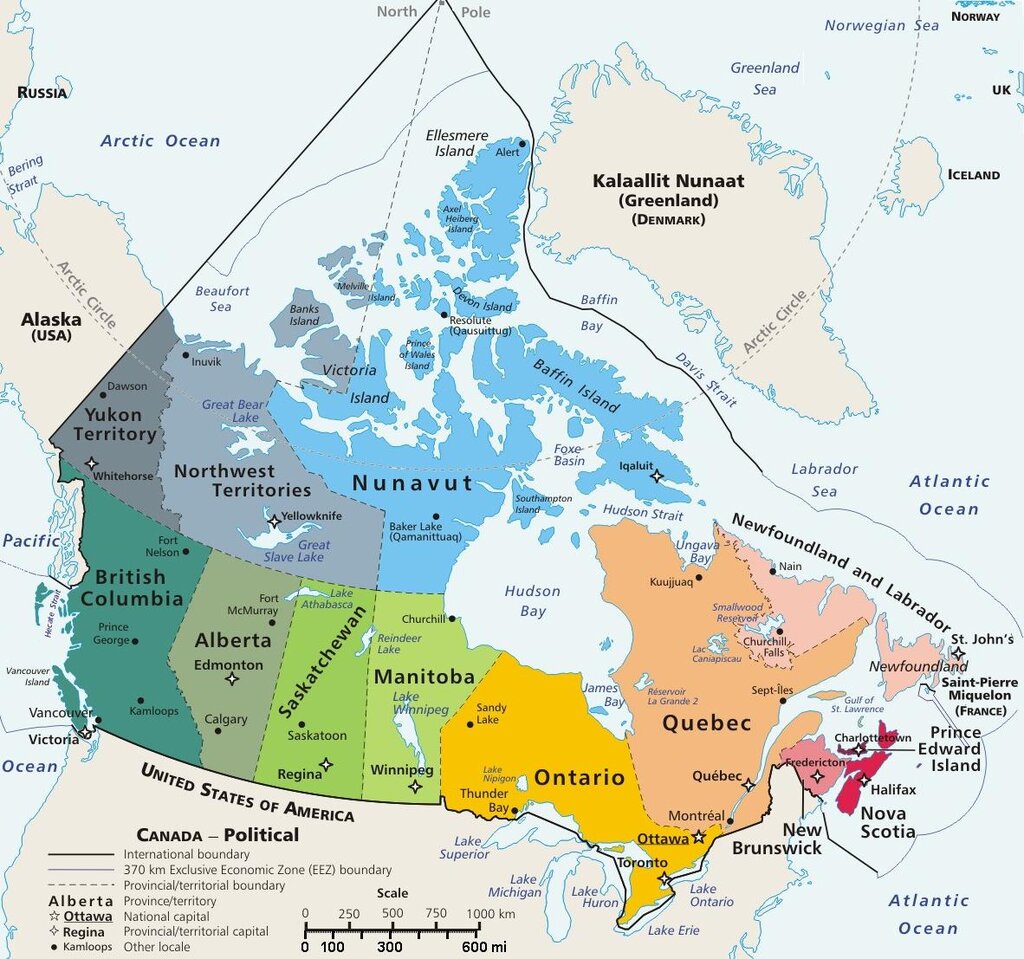
This system offers various paths for people to come to Canada, whether to work, join family, or seek refuge. While there are many different programs, they all share a common goal: to bring people into the country in a way that is fair, orderly, and beneficial for both the immigrants and Canada itself.
Who Runs the Show?
The main government body in charge of this process is Immigration, Refugees and Citizenship Canada, or IRCC for short. Think of IRCC as the gatekeeper and guide for anyone looking to move to Canada. They are responsible for setting immigration policies, processing applications, and providing services to newcomers once they arrive.
IRCC manages everything from tourist visas and work permits to applications for permanent residency and citizenship.
They create the rules for who can enter and stay in the country, and their officers are the ones who review applications to decide if someone meets the requirements. IRCC's role is crucial in shaping the flow of immigration and ensuring the system runs smoothly.
The Goal: Permanent Residency
For most people looking to immigrate to Canada, the ultimate goal is to become a permanent resident. This status is a major milestone, granting you the right to live, work, and study anywhere in the country indefinitely.
Permanent Resident
noun
An individual who has been given permission to live in Canada indefinitely but is not a citizen. They have most of the rights and responsibilities of a Canadian citizen.
As a permanent resident, you receive a Permanent Resident (PR) card as proof of your status. You can access social benefits, including healthcare coverage, and are protected under Canadian law. While you can't vote in federal elections or hold a Canadian passport, permanent residency is the essential step before you can apply for citizenship.
What Do They Look For?
Canada looks for newcomers who are likely to settle in successfully. While each immigration program has its own specific requirements, several general factors are almost always considered. These criteria help IRCC assess whether an applicant has the skills and attributes to thrive in Canada.
| Factor | Why It's Important |
|---|---|
| Age | Younger applicants may have more time to contribute to the economy. |
| Education | Higher levels of education can indicate an ability to integrate into the workforce. |
| Language Skills | Proficiency in English or French is crucial for finding a job and daily life. |
| Work Experience | Skilled work experience shows you have abilities that are in demand. |
| Adaptability | Factors like previous Canadian experience can suggest you'll settle in easily. |
These are not the only factors, and their importance can vary depending on the immigration stream. For instance, some programs are designed specifically for skilled workers, while others focus on family reunification or humanitarian needs. Understanding these foundational elements is the first step in navigating your path to Canada.