Navigating Bond Market Volatility
Bond Market Basics
The World of Bonds
Think of a bond as a formal IOU. When you buy a bond, you're lending money to an organization, whether it's a company or a government. In return for your loan, the issuer promises to pay you back in full on a specific date, and along the way, they usually pay you interest for the privilege of using your money.
A bond is a fixed-income security representing a loan made by an investor to a borrower, usually a corporation or government entity.
This makes bonds a type of "fixed-income" investment. You generally know how much money you'll get back and when. It’s a way for large organizations to raise capital for projects, expansion, or ongoing expenses, and for investors to earn a predictable return.
Anatomy of a Bond
Every bond has three core components that define the terms of the loan. Understanding these is key to understanding how bonds work.
Face Value
noun
The amount of money the bond issuer promises to repay the bondholder at maturity.
The face value, also called par value, is the price the issuer pays back when the bond's term ends. While the market price of a bond can fluctuate, its face value is fixed.
Coupon
noun
The interest payment made to the bondholder, typically paid semi-annually or annually.
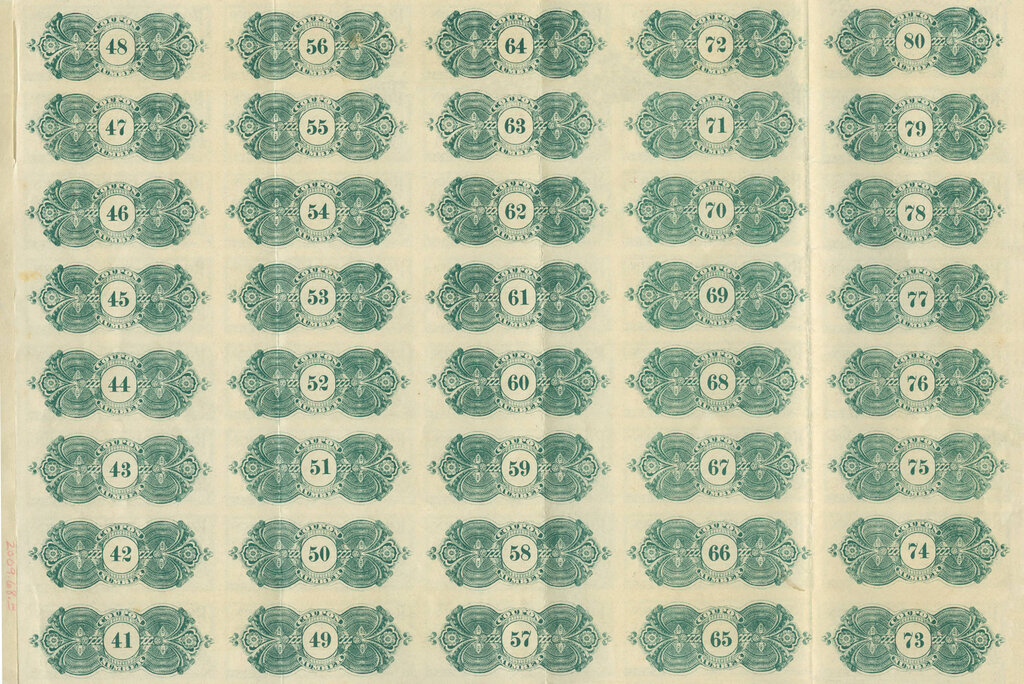
The coupon is the interest rate the bond issuer agrees to pay. If a bond has a $1,000 face value and a 5% coupon, the issuer pays the bondholder $50 per year. These payments are the primary way investors earn money from bonds before they are paid back in full.
Maturity
noun
The date on which the bond's face value is due to be paid to the bondholder.
The maturity date is when the bond's term officially ends. On this date, the issuer repays the bond's face value to the investor, and the loan is considered fully paid off. Bond maturities can range from just a few months to 30 years or more.
Who Issues Bonds?
Different types of organizations issue bonds to raise money, and each type comes with its own purpose and level of risk.
Government Bonds Governments issue bonds to fund public spending. In the U.S., bonds issued by the federal government are called Treasury bonds (or T-bonds). Because they are backed by the full faith and credit of the government, they are considered one of the safest investments available.
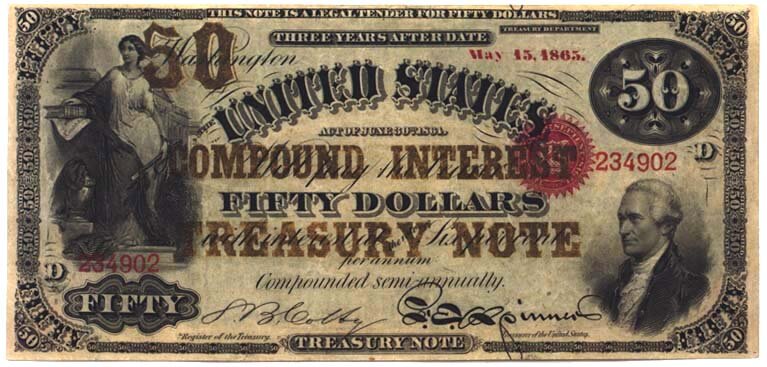
Corporate Bonds Companies issue corporate bonds to raise money for things like building a new factory, developing a new product, or expanding operations. These bonds are riskier than government bonds because the company could potentially go out of business and be unable to repay its debt. To compensate for this higher risk, corporate bonds typically offer higher coupon rates.
Municipal Bonds Often called "munis," these are issued by states, cities, and counties. They fund public projects like building schools, highways, or sewer systems. A key feature of many municipal bonds is that the interest income is often exempt from federal taxes, and sometimes state and local taxes, too. This can make them particularly attractive to certain investors.
Time to review these core concepts.
Let's see what you've learned.
A bond is best described as which of the following?
An investor buys a bond with a $1,000 face value and a 4% coupon. How much will the investor typically receive in interest payments each year?
By lending money through bonds, investors provide the essential capital that fuels public projects and corporate growth, all while earning a steady stream of income.