Navigating Asset Forfeiture Law
Civil vs Criminal Seizure
The Property on Trial
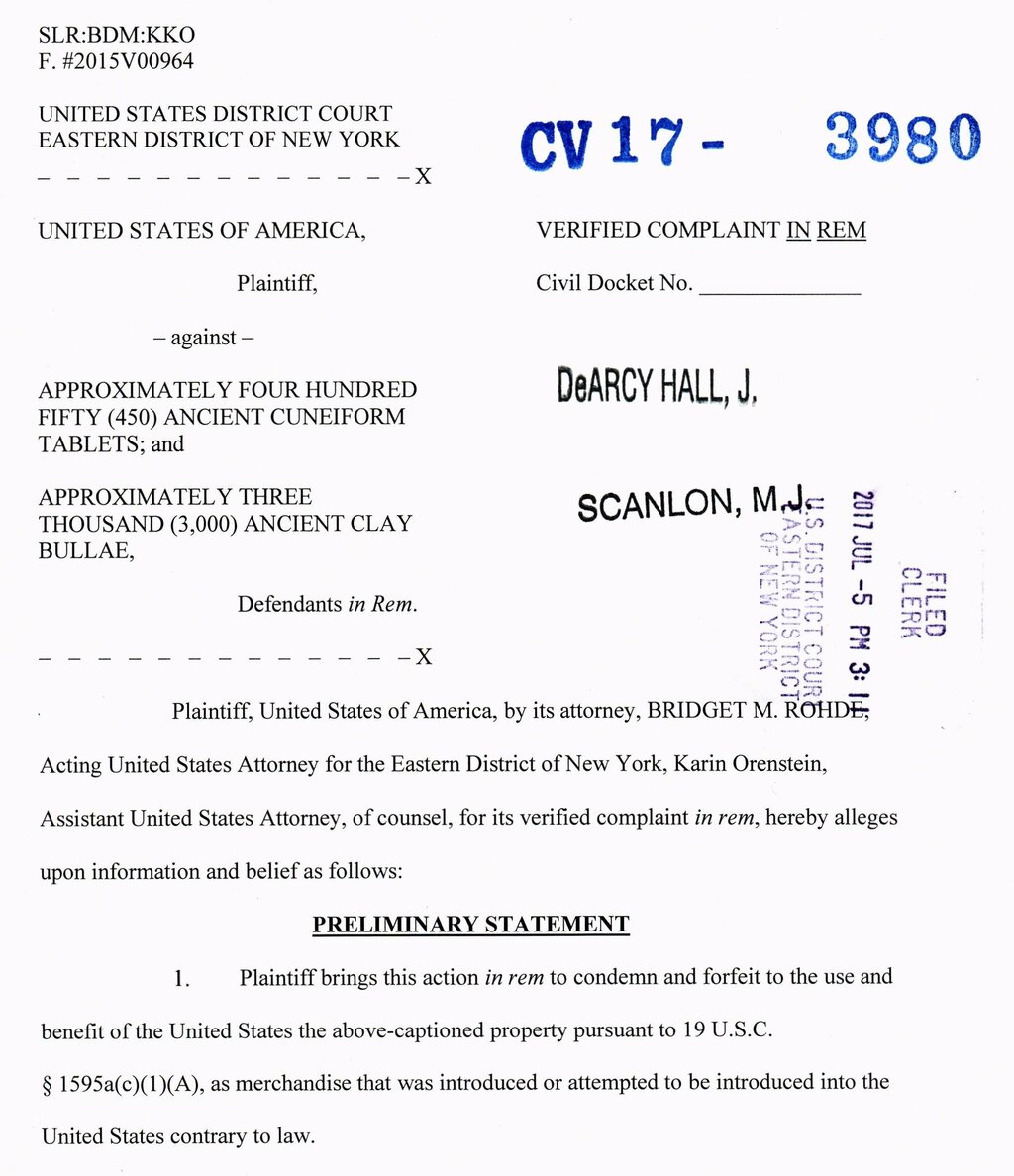
In the world of asset forfeiture, the government can take two very different legal paths. The first, and most common, is civil forfeiture. This process operates under a legal concept called in rem jurisdiction, which is Latin for “against the thing.”
It sounds strange, but in a civil forfeiture case, the defendant isn't a person—it's the property itself. The government files a lawsuit directly against the cash, car, or house, alleging that it was involved in criminal activity. The case name might even look something like United States v. One 2018 Ford F-150.
This stands in stark contrast to criminal forfeiture, which uses in personam jurisdiction, or “against the person.” In these cases, the asset forfeiture is part of the punishment that follows a criminal conviction. The government can only take the property after it has successfully prosecuted the owner and proven them guilty of a crime.
A Lower Bar to Clear
The choice between civil and criminal forfeiture often comes down to the standard of proof required. Criminal cases demand that the prosecution prove guilt —the highest standard in the legal system. This means the evidence must be so convincing that there is no other logical explanation for the facts except that the defendant committed the crime.
Civil cases, including civil forfeiture, operate on a much lower standard: Simply put, this means the government only needs to show that it is more likely than not (think 50.1%) that the property is connected to a crime. This lower hurdle makes civil forfeiture a much more attractive tool for law enforcement, especially in cases where a criminal conviction might be difficult to secure.
To begin a seizure, law enforcement typically only needs —a reasonable belief that the property is linked to a crime. Once the property is seized, the burden of proof often shifts. In many jurisdictions, it becomes the owner’s responsibility to prove that their property is “innocent” and was not involved in any illicit activity. This is a complete reversal of the presumption of innocence that underpins the criminal justice system.
A common defense in drug possession cases includes asking the court to exclude evidence of the drugs at trial based on an unlawful search or seizure by police.
Two Paths to Forfeiture
The government can pursue forfeiture through two main procedural avenues: administrative and judicial.
is the most common path. It’s an internal process handled by the seizing agency (like the DEA or FBI) without any court involvement. This method is typically used for uncontested seizures of property valued below a certain threshold (e.g., $500,000). If the owner doesn't challenge the seizure within a specific time frame, the property is automatically forfeited to the government. It’s fast and efficient for the agency.
Judicial forfeiture, on the other hand, requires the government to file a case in court. This happens in one of two scenarios: either the property’s value exceeds the limit for administrative forfeiture, or the owner files a claim to contest the seizure.
At this point, the process becomes either a judicial civil forfeiture case (the in rem action against the property) or a criminal forfeiture case (the in personam action tied to a defendant's criminal trial). In both judicial routes, the final decision rests with a judge or jury.
Ready to test your knowledge? Let's see what you've learned about the two tracks of asset forfeiture.
In a civil forfeiture case, what is the defendant?
What is the standard of proof the government must meet in most civil forfeiture cases?
Understanding these distinctions is crucial, as they determine the rights of property owners and the legal hurdles the government must clear to seize assets.