Navigating AI's Impact on Your Career
Understanding AI Impact
The New Coworker
Artificial intelligence is no longer a futuristic concept. It's here, and it's changing the way we work. The conversation often swings between two extremes: a utopian future with no menial tasks, or a dystopian one with mass unemployment. The reality, as it often is, lies somewhere in the middle.
AI is acting as a powerful catalyst in the job market, simultaneously displacing some roles while creating entirely new ones. It’s less about a robot takeover and more about a fundamental shift in the tasks we do and the skills we need. Think of it not as a replacement for human workers, but as a new, powerful tool that changes the job description.
The core of the change isn't just about jobs disappearing. It's about the tasks within jobs being redefined.
Which Jobs Are Changing?
The roles most immediately affected by AI are those built on predictable, repetitive tasks. If a job involves processing large amounts of data, identifying patterns, or following a clear set of rules, it's a prime candidate for automation. This isn't limited to factory floors; many white-collar jobs are being transformed.
Think about data entry clerks, certain customer service functions that handle routine inquiries, or even paralegals who spend hours sifting through documents for specific information. AI can perform these tasks faster and with fewer errors. However, this doesn't always mean the job is eliminated. Often, it means the human worker is freed up to focus on more complex, strategic, and creative aspects of their role that require judgment and empathy.
| Task Type | Examples Being Automated | Examples of New Human Focus |
|---|---|---|
| Data Analysis | Generating routine financial reports | Interpreting AI-driven insights to make strategic decisions |
| Customer Service | Answering common FAQs via chatbot | Handling complex, emotionally charged customer issues |
| Content Creation | Writing basic product descriptions | Developing creative brand strategy and original campaigns |
| Manufacturing | Assembling components on a line | Designing and maintaining the robotic systems |
New Doors Opening
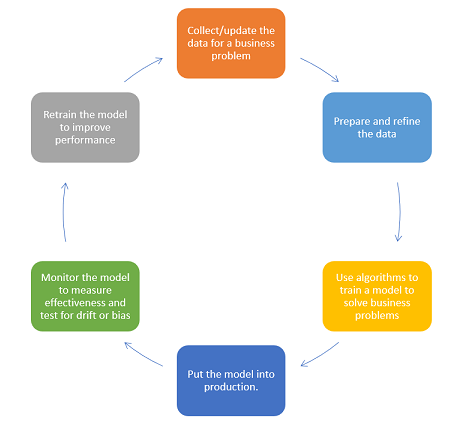
For every task AI automates, a new need arises. An entire ecosystem of jobs is emerging to build, manage, and oversee these powerful systems. The demand for AI specialists, machine learning engineers, and data scientists continues to surge. These are the people who design and train the AI models that power new technologies.
But the opportunities aren't just for tech experts. New, less-technical roles are also appearing. "Prompt engineers" specialize in crafting the right questions to get the best results from AI models. AI ethics officers are hired to ensure algorithms are used responsibly and without bias. AI trainers work to fine-tune models, teaching them the nuances of human language and context. Existing roles are also evolving, requiring professionals like marketers, doctors, and lawyers to learn how to use AI tools to enhance their work.
This creates a landscape where understanding and leveraging AI becomes a valuable skill across almost every industry, not just in the tech sector.
The Need to Adapt
This technological shift isn't the first of its kind. The Industrial Revolution moved workers from farms to factories, and the internet created industries that were unimaginable just a few decades ago. Each wave of innovation required people to adapt and learn new skills. AI is no different.
Ignoring the impact of AI is not a viable strategy. The key is to understand how it's affecting your field and to focus on developing the skills that AI can't replicate: critical thinking, creativity, emotional intelligence, and complex problem-solving. Proactive career planning means recognizing that lifelong learning is no longer just a good idea, but a necessity.
Businesses, governments, and educational institutions must collaborate to develop comprehensive strategies that prioritize workers' well-being, provide retraining and support programs, and ensure a fair and inclusive job market in the era of AI.
According to the text, what is the most accurate description of AI's impact on the job market?
Which type of job is most immediately at risk of being automated by AI?
Understanding this new landscape is the first step toward navigating it successfully.