Navigate Your Career Path
Self-Assessment
Start With You
Before you can find a fulfilling career, you need a clear picture of who you are. Think of it like packing for a trip. If you don't know your destination or what you'll be doing, you'll just throw random things in a bag. But if you know you're going hiking in the mountains, you'll pack boots, warm layers, and a map. Career planning works the same way. The map is you.
Introspection -- thinking about your interests, skills, abilities, values, personality traits and goals -- is part of any sound career counseling process.
This process of looking inward is called self-assessment. It's not about judging yourself, but about gathering honest information. This knowledge acts as a filter, helping you sort through endless career options to find the ones that truly fit.
What Catches Your Eye?
Let's start with the fun part: your interests and passions. These are the things you do without being asked, the topics you read about just because you're curious. They're clues to what kind of work might energize you.
Grab a piece of paper and try a quick exercise. For five minutes, just list anything that comes to mind. What do you enjoy doing on a weekend? What section of a bookstore do you always find yourself in? What kinds of videos do you watch online? Don't censor yourself. If you love video games, write it down. If you're obsessed with baking, add it to the list. These aren't necessarily job titles, but themes and activities that you're naturally drawn to.
Find Your North Star
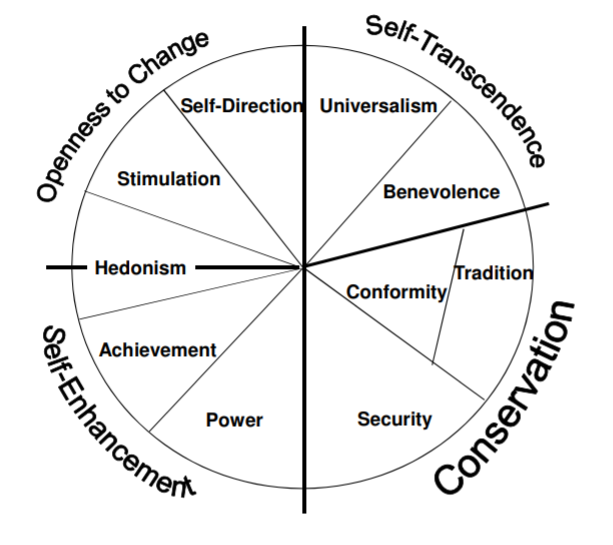
Next up are your values. Values are your personal principles, the things that are most important to you in life. They act as your internal compass, guiding your decisions. A job that aligns with your values will feel meaningful, while one that conflicts with them will likely feel draining, even if it pays well.
What do you value in a work environment? Some common examples include:
- Autonomy: The freedom to work independently.
- Stability: A secure job with predictable routines.
- Helping Others: Making a positive impact on people's lives.
- Creativity: The opportunity to innovate and express new ideas.
- Financial Gain: Earning a high income.
Try to pick your top five. Being honest about what truly matters to you is key. There are no right or wrong answers, only what's right for you.
Take Stock of Your Skills
Your skills are what you can do. It's helpful to think about them in two categories: hard skills and soft skills.
Hard skills are specific, teachable abilities. They're often technical and can be easily measured. Examples include speaking a foreign language, coding in Python, or operating a specific machine.
Soft skills are personal attributes that affect how you work and interact with others. They're harder to quantify but are incredibly valuable. Think of things like communication, teamwork, problem-solving, and time management.
A good way to identify your skills is to think about your accomplishments. What projects are you proud of, either at work, in school, or in your personal life? What skills did you use to make them happen?
How You're Wired
Finally, consider your personality. This is about your natural way of thinking, feeling, and behaving. Are you an introvert who recharges by being alone, or an extrovert who gets energy from being around people? Do you prefer having a detailed plan, or are you more comfortable improvising?
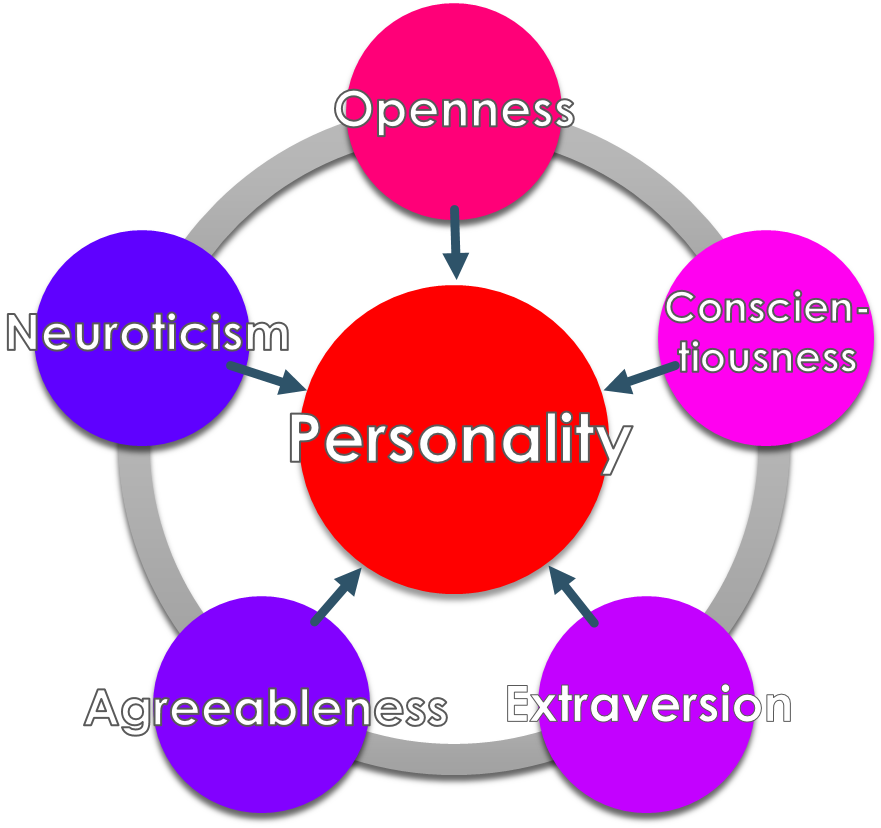
Understanding your personality can help you find a work environment where you'll thrive. An introvert might prefer a quiet office and focused, independent work. An extrovert might excel in a collaborative, customer-facing role. Personality models, like the Big Five, can provide a framework for thinking about these traits, which include openness, conscientiousness, extraversion, agreeableness, and neuroticism.
Let's review the core components of a personal self-assessment.
Now, let's see what you've learned.
According to the analogy provided, why is self-assessment compared to knowing your destination before packing for a trip?
A person who highly values security and predictable routines would likely feel most fulfilled in a career that prioritizes which of the following?
By combining your insights on your interests, values, skills, and personality, you'll have a strong foundation. This self-awareness will empower you to identify career paths that aren't just practical, but also deeply rewarding.