Navigate Company Structure Changes
Company Structures
Shares vs. Guarantees
When forming a company, one of the first big decisions is choosing its legal structure. This isn't just paperwork; it defines who owns the company, how it makes money, and what happens if things go wrong. Two of the most common structures in the UK are companies limited by shares and companies limited by guarantee. They sound similar, but they're built for very different purposes.
Choosing the right legal structure is key when starting your business in the UK.
Companies Limited by Shares
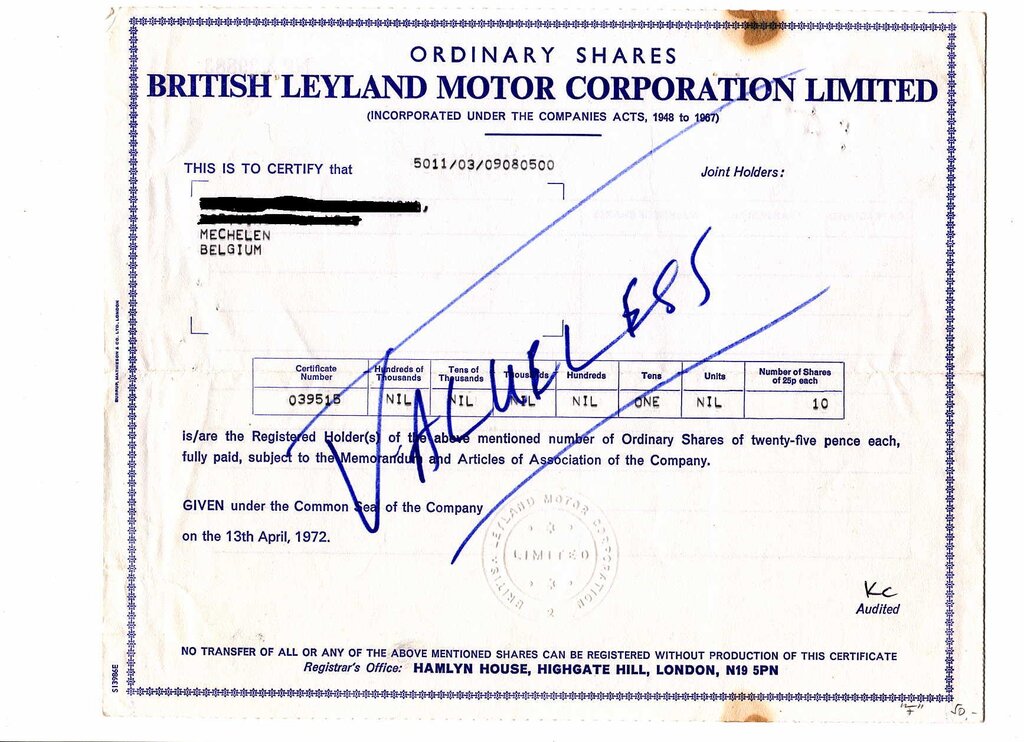
This is the structure most people think of when they hear the word "company." It's the go-to for most commercial businesses, from a local coffee shop to a multinational tech firm. The ownership of the company is divided into shares, like slices of a pie. Each person or entity that owns one or more of these slices is a shareholder.
Shareholder
noun
An owner of shares in a company. Shareholders have a financial stake in the company's success and may have voting rights on major decisions.
The primary goal of a company limited by shares is to generate profit for its shareholders. When the company does well, the value of the shares can increase, and the company might pay out a portion of its profits to shareholders in the form of dividends. The "limited" part of the name is crucial. It means the shareholders' personal liability is restricted. If the company incurs debts it can't pay, a shareholder is only liable for the amount they initially invested to buy their shares, or any amount still unpaid on those shares. Their personal assets, like their house or car, are protected.
Companies Limited by Guarantee
This structure is fundamentally different because it doesn't have shares or shareholders. Instead, it has members who act as guarantors. These companies are typically not for profit. Think of charities, community projects, sports clubs, and social enterprises. Their main purpose isn't to make money for owners, but to serve a social, charitable, educational, or community-oriented goal.
Any profits a company limited by guarantee makes are usually reinvested back into the organization to help it achieve its main objectives. This is often referred to as an "asset lock."
Instead of investing money for shares, members agree to contribute a fixed, nominal amount if the company is wound up and has debts. This is the "guarantee." It's often as little as £1. Just like with a company limited by shares, the members' personal liability is limited to this agreed-upon amount. This structure is ideal for organizations where ownership in the traditional sense isn't appropriate, as the focus is on the mission, not on financial returns for investors.
Key Differences at a Glance
Choosing between these structures depends entirely on the organization's purpose. Is the primary goal to generate profit for owners, or to serve a broader mission? The answer to that question usually points to the right structure.
| Feature | Company Limited by Shares | Company Limited by Guarantee |
|---|---|---|
| Primary Purpose | To generate profit for shareholders | To achieve non-profit objectives (e.g., charity, community) |
| Ownership | Owned by shareholders | No owners; controlled by members (guarantors) |
| Profit Distribution | Profits can be paid to shareholders as dividends | Profits are reinvested into the company's activities |
| Liability | Limited to the value of shares owned | Limited to the amount of the guarantee (often £1) |
| Typical Use | Commercial businesses, startups, for-profit ventures | Charities, clubs, social enterprises, non-profits |
Understanding this distinction is vital, especially for a social enterprise considering its future. A move from a non-profit structure to a company limited by shares signals a fundamental shift in purpose, from a mission-first model to one that also prioritizes financial returns for its owners.
What is the primary purpose of a company limited by shares?
True or False: A company limited by guarantee has shareholders who own the business.