Navico B&G Boat Radars Explained
Radar Basics
How Radar Sees
At its core, radar works a lot like shouting in a canyon. You yell, and a moment later, you hear an echo. Based on how long it takes for the echo to return, you can get a sense of how far away the canyon wall is. Radar does the same thing, but with radio waves instead of sound.
The name RADAR is an acronym for RAdio Detection And Ranging.
A radar system sends out a short, powerful pulse of radio energy. This pulse travels through the air at the speed of light. When it hits an object, like another boat or a coastline, a small portion of that energy bounces off and reflects back toward the radar. This reflected signal is the "echo."
The radar's antenna catches this faint echo. By measuring the time between sending the pulse and receiving the echo, the system can calculate the distance to the object with incredible precision. This is ranging.
At the same time, the system knows exactly which direction the antenna was pointing when it sent the pulse. This gives you the direction, or bearing, to the object. This is detection.
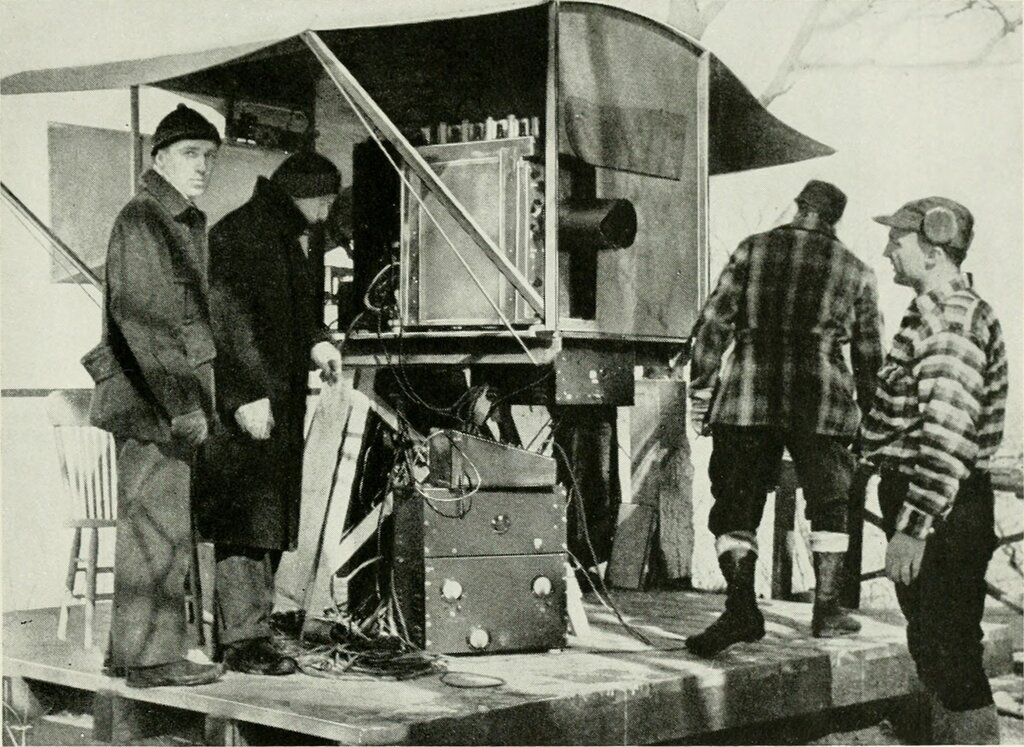
The Parts of a System
Every marine radar system has four key components working together to find and display objects around your vessel.
- Transmitter: This creates the high-energy radio pulse. It's like the radar's voice box.
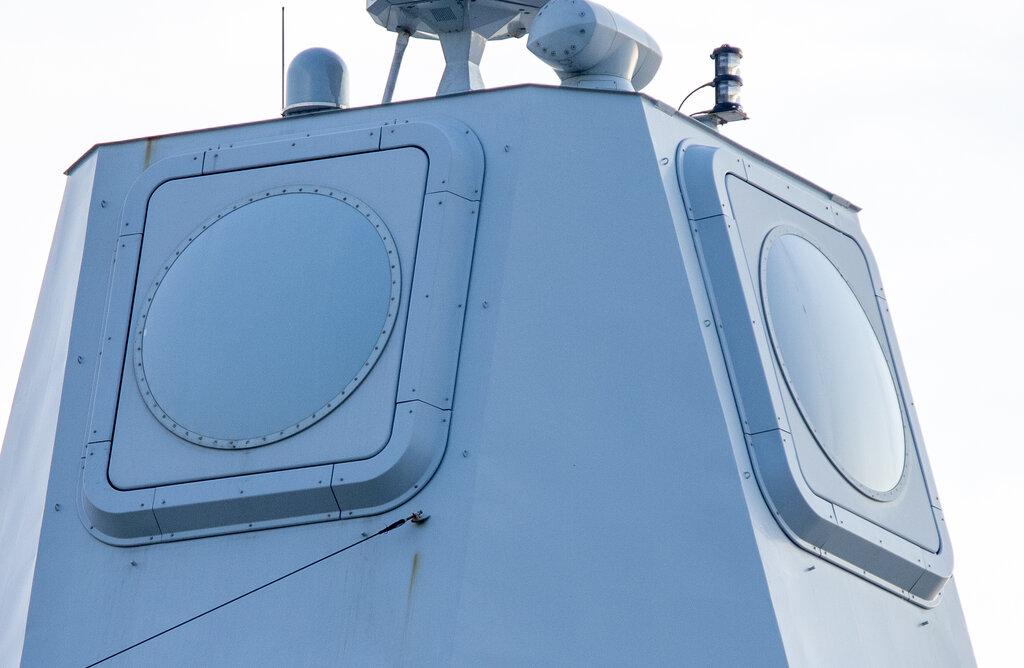
- Antenna: The antenna is the system's mouth and ears. It sends the pulse out and listens for the returning echo. On pleasure boats, antennas are usually either enclosed in a dome (a "radome") or are a rotating bar (an "open array").
- Receiver: The returning echo is incredibly weak. The receiver's job is to detect this faint signal, amplify it, and filter out unwanted noise.
- Display: This is the screen that shows you the processed information. It turns the invisible radio echoes into a visual map of your surroundings.
Reading the Screen
The radar display paints a top-down, map-like picture of what's around you. Your boat is always in the center. The top of the screen represents the direction your boat is currently heading, also known as the heading line.
Objects that reflect the radio waves appear as bright spots, often called "blips" or "targets." A strong, sharp blip might be a large ship or a rocky cliff. A weaker, fuzzier target could be a small boat or a rainstorm. By watching the display, you can see not only where these targets are but also which way they are moving relative to you.
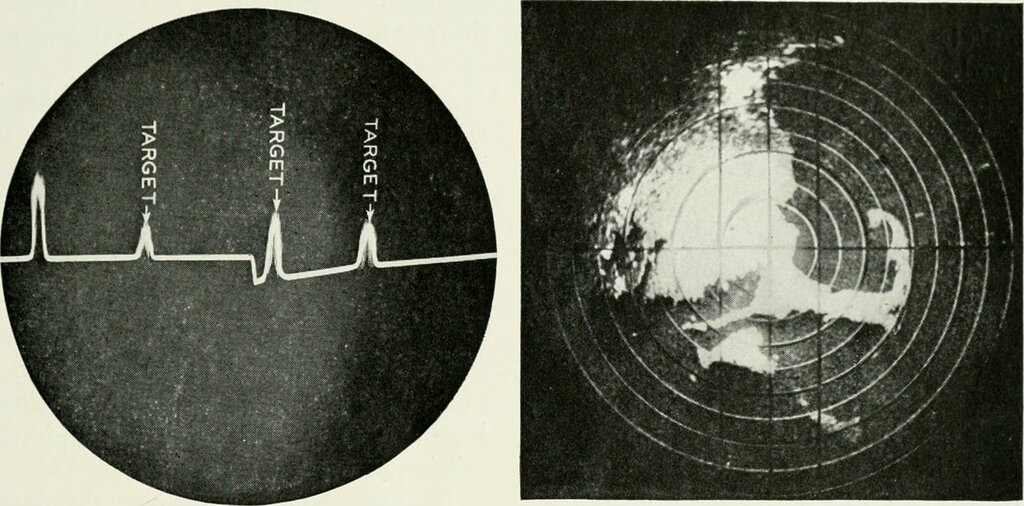
To help you quickly judge distances, the display has a series of concentric circles called range rings. If the rings are set to one nautical mile, a target on the third ring out is three nautical miles away from you. This allows for fast and accurate distance estimation without needing to do any calculations.
Strengths and Limits
Radar's biggest advantage is its ability to "see" through conditions that block human sight. It works just as well in complete darkness, thick fog, or heavy rain as it does on a clear, sunny day. This makes it an essential tool for avoiding collisions and navigating safely when visibility is poor.
However, radar is not all-seeing. It has limitations you need to understand.
Radar signals travel in straight lines. This means they can be blocked by large objects, creating blind spots. A small boat hiding behind a large island will be invisible to your radar.
The size, shape, and material of an object also affect how well it reflects radar signals. A large metal ship will create a bright, clear target. A small fiberglass boat, a wooden buoy, or an iceberg might return a very weak echo, or none at all.
Finally, rough seas can create a lot of unwanted echoes from the surfaces of waves. This is called sea clutter, and it can sometimes hide small, nearby targets in a haze of noise on the screen. Modern systems have features to help filter this out, but it's always a factor to consider.
How does a marine radar system primarily calculate the distance to an object?
Which component of a radar system is responsible for detecting the very faint returning echo and amplifying it?