Natural Wellness for a Balanced Menstrual Cycle
Nutrition for Menstrual Health
How Food Influences Your Cycle
The food you eat has a direct impact on your hormonal health. Your body needs specific building blocks—macronutrients like fats, proteins, and carbohydrates, along with micronutrients like vitamins and minerals—to produce and regulate hormones such as estrogen and progesterone. Stable blood sugar is a cornerstone of this process. When your blood sugar spikes and crashes, it triggers stress responses that can disrupt the delicate hormonal symphony governing your menstrual cycle.
Diets high in ultra-processed foods, refined sugars, and unhealthy fats can promote inflammation and place extra stress on your system, potentially worsening symptoms like cramps, mood swings, and fatigue. Conversely, a diet rich in whole foods provides the necessary components for your body to maintain hormonal equilibrium.
The right nutrition helps balance estrogen and progesterone, supports liver function, keeps blood sugar steady, and nourishes the adrenals.
Key Nutrients for Menstrual Wellness
While a balanced diet is crucial overall, certain nutrients play starring roles in menstrual health. Focusing on these can make a noticeable difference in how you feel throughout your cycle.
Omega-3 Fatty Acids
noun
A group of polyunsaturated fatty acids that are important for a number of bodily functions, including reducing inflammation.
Omega-3s are powerful anti-inflammatory agents. Menstrual cramps are largely caused by inflammatory compounds called prostaglandins. Omega-3s can help lower the production of these compounds, leading to less pain. They also support brain health, which can help with mood-related symptoms.
Magnesium is a mineral involved in over 300 biochemical reactions in the body. It helps regulate neurotransmitters and relax smooth muscle tissue, including the uterine wall. Adequate magnesium levels can help ease cramps, reduce tension headaches, and soothe anxiety and irritability. Many people associate magnesium with sleep, but its muscle-relaxing properties are just as important for menstrual comfort.
If there was ever a supplement I would recommend for women who have periods it would be magnesium.
Iron is a critical component of hemoglobin, the protein in red blood cells that carries oxygen. During menstruation, you lose blood and, consequently, iron. Replenishing this mineral is essential for preventing fatigue, brain fog, and iron-deficiency anemia. Pay special attention to iron intake if you have heavy periods.
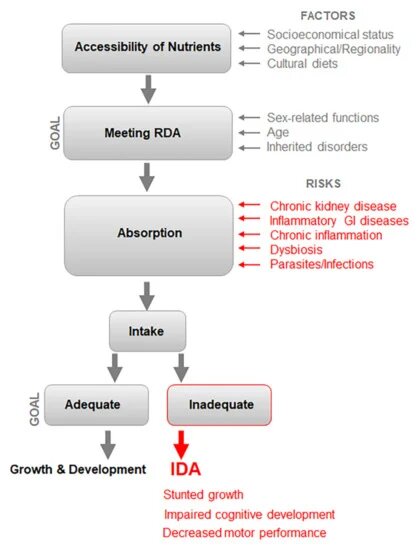
Now, where can you find these powerhouse nutrients? Integrating them into your diet is simpler than you might think.
| Nutrient | Food Sources |
|---|---|
| Omega-3s | Salmon, mackerel, sardines, chia seeds, flaxseeds, walnuts |
| Magnesium | Dark leafy greens (spinach, kale), nuts, seeds, dark chocolate, avocados, black beans |
| Iron | Red meat, poultry, fish, lentils, chickpeas, tofu, fortified cereals, spinach |
Putting It Into Practice
Knowing which nutrients are important is the first step. The next is building meals around them. Aim for a plate that is rich in color and variety.
Here’s a sample day of eating for menstrual health:
- Breakfast: Oatmeal made with flaxseeds and topped with berries and a handful of walnuts.
- Lunch: A large salad with spinach, grilled salmon or chickpeas, avocado, and a lemon vinaigrette.
- Snack: An apple with almond butter or a small piece of dark chocolate.
- Dinner: Lentil and vegetable curry with a side of quinoa.
Another approach some people find helpful is seed cycling.
Seed Cycling
noun
The practice of eating specific seeds during the two main phases of the menstrual cycle (follicular and luteal) to support hormone balance.
Seed cycling is a gentle way to support your body's natural hormone fluctuations. The concept is based on the idea that different seeds contain nutrients that can promote or balance estrogen and progesterone at different times in your cycle.
-
Follicular Phase (Day 1 of your period to ovulation, ~Days 1-14): The focus is on supporting estrogen production. The recommendation is to eat 1-2 tablespoons of freshly ground flaxseeds and pumpkin seeds daily. Flaxseeds contain lignans, which can help modulate estrogen levels.
-
Luteal Phase (Ovulation to the start of your period, ~Days 15-28): The goal shifts to supporting progesterone production. The recommendation is to switch to 1-2 tablespoons of freshly ground sesame and sunflower seeds daily. Sesame seeds are rich in zinc, which supports progesterone, and sunflower seeds provide vitamin E.
While scientific research on seed cycling is still emerging, many find it a beneficial and low-risk practice to tune into their body's rhythms.
Let's test your knowledge on how nutrition supports your cycle.
Why is maintaining stable blood sugar important for hormonal health, according to the text?
Which nutrient is particularly effective at reducing menstrual cramps by helping to lower inflammatory compounds called prostaglandins?