Natural Regions and Landscapes of Pakistan
Northern Highlands Dynamics
The Shifting Giants
Pakistan's Northern Highlands are not just a static postcard landscape. They are a live performance of geology in action. The Karakoram, Himalayas, and Hindu Kush ranges are actively rising, pushed upward by the slow-motion collision of the Indian and Eurasian tectonic plates. This constant uplift, a few millimeters each year, doesn't happen smoothly. It builds immense stress in the Earth's crust, which is released periodically as earthquakes. This makes the region one of the most seismically active in the world, a direct consequence of the same forces that created its breathtaking peaks.
Rivers of Ice and Human Ingenuity
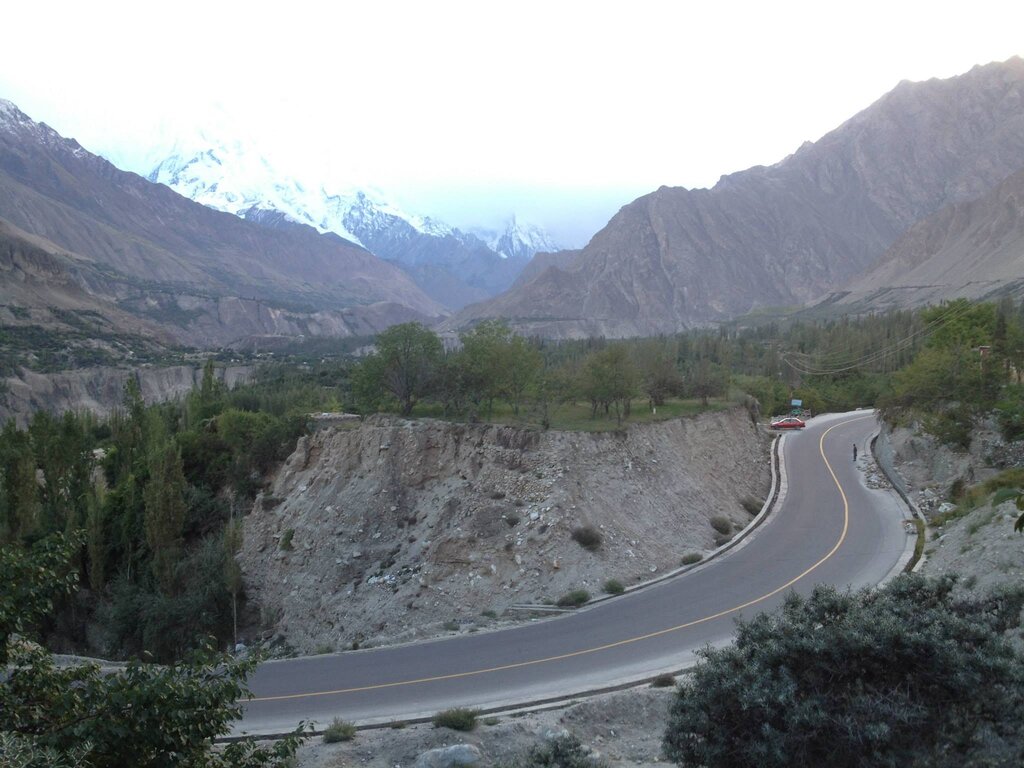
These mountains are Asia's water tower. Their vast glaciers store more fresh water than anywhere outside the polar regions. As this ice melts, it feeds the rivers that are the lifeblood of Pakistan, particularly the mighty Indus. In high-altitude valleys like Hunza, communities have survived for centuries by harnessing this meltwater through a sophisticated irrigation system known as s. These are community-managed channels, painstakingly carved along mountain contours, that divert glacial streams to terraced fields. The entire system operates on principles of collective responsibility and equitable water distribution, a traditional solution to a harsh environment.
This reliable water supply enables a unique form of oasis agriculture. Traditional crops like apricots, walnuts, and specialized seed potatoes thrive on the fertile terraces. However, this ancient way of life is now facing modern pressures. Climate change is altering glacial melt patterns, making the water supply less predictable. Some glaciers are melting faster, causing initial surpluses followed by the threat of long-term scarcity. Simultaneously, globalization introduces new market demands and economic opportunities, tempting farmers to shift away from subsistence crops toward cash crops, altering the traditional agricultural landscape.
Development's Double Edge
The stunning scenery of the highlands attracts a growing number of tourists, bringing much-needed income to remote communities. New roads, hotels, and services spring up, creating jobs and connecting valleys to the wider world. But this development is a double-edged sword. Unplanned construction, increased waste, and the high demand for water and energy put immense strain on the fragile mountain ecosystem. The balance between economic growth and ecological preservation is a constant challenge.
The provides a stark case study of these trade-offs. The Mangla Dam, fed by rivers originating in the Himalayas, is critical for Pakistan's irrigation and hydroelectric power. However, increased deforestation and unsustainable land-use practices in its vast watershed, partly driven by population growth and development, have led to severe soil erosion. This loose sediment is washed into the rivers and deposited in the Mangla reservoir, a process called sedimentation. This gradually reduces the dam's water storage capacity, threatening its long-term viability and the water security of millions downstream.
The delicate balance in Pakistan's Northern Highlands is a microcosm of global environmental challenges. The future of this vital region depends on finding sustainable ways to manage the immense pressures of climate change, economic development, and population growth, while respecting the traditional knowledge that has allowed life to flourish there for centuries.
Let's test your understanding of these interconnected systems.
What is the primary geological process responsible for the formation and ongoing seismic activity of the Karakoram, Himalayas, and Hindu Kush mountain ranges?
In high-altitude valleys like Hunza, what is the name for the community-managed irrigation channels that divert glacial streams to terraced fields?