Natural Gas Pipeline Pigging Explained
Introduction to Pipeline Pigging
Cleaning Pipes From the Inside
Natural gas travels thousands of miles through a vast network of underground pipelines. Over time, these pipelines can accumulate liquids, wax, scale, and other debris. This buildup reduces the flow of gas, decreases efficiency, and can even cause corrosion that compromises the pipe's safety.
To solve this, operators perform a maintenance process called "pigging." This involves sending a special tool, called a "pig," through the pipeline. Propelled by the flow of the gas itself, the pig scrapes, cleans, and inspects the inside of the pipe as it travels from one point to another. The goal is to ensure the pipeline remains clean, clear, and in good condition, allowing gas to move safely and efficiently.
Pig
noun
A device sent through a pipeline for cleaning, inspection, or maintenance. It is propelled by the flow of the product in the pipeline.
Think of it like using a bottle brush to clean a narrow-necked bottle you can't reach inside of. The pig is the brush, custom-fit to scrub the pipe's interior walls.
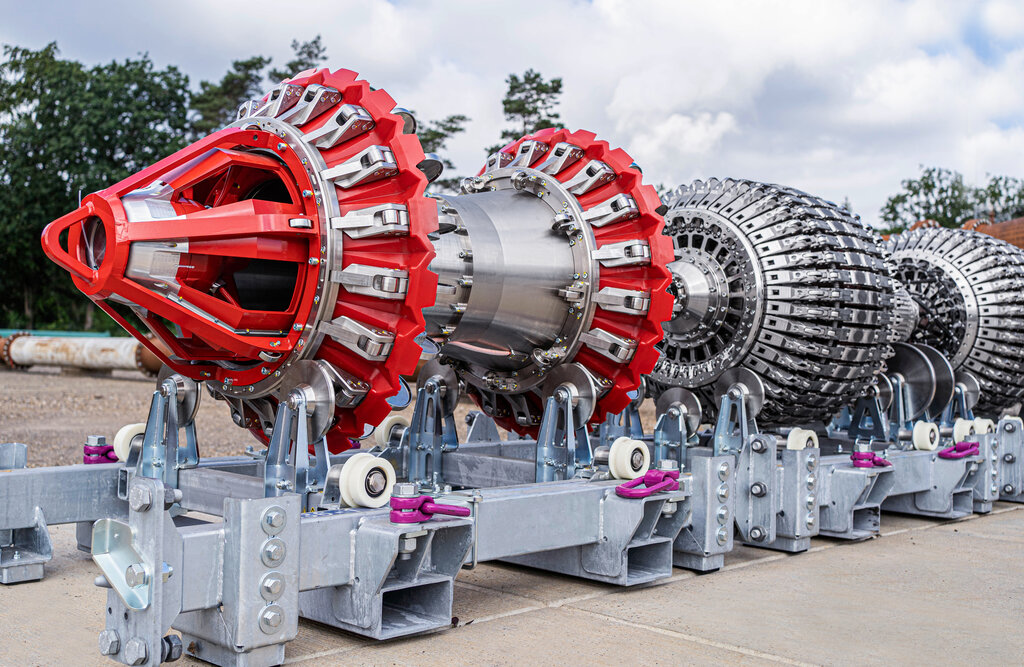
A Squealing History
The practice of pigging dates back to the early days of oil and gas pipelines. The first pigs were simple devices, sometimes just bundles of straw, leather, or wire pushed through the lines to clear out major obstructions. The name itself is rumored to come from the squealing sound these early, metal-heavy pigs made as they scraped their way along the inside of the steel pipes, a noise workers likened to a squealing pig.
While the name stuck, the technology has evolved dramatically. Today’s pigs are sophisticated, high-tech tools that do much more than just clean.
The Basic Components
A standard pigging operation requires three key pieces of equipment: the pig, a launcher, and a receiver.
The Pig: The star of the show. It's the device that travels through the pipeline to perform a task, whether it's cleaning away debris, inspecting for cracks, or measuring the pipe's diameter.
The Launcher: This is a special section of the pipeline where the pig is loaded. The launcher can be isolated from the main gas flow, allowing operators to safely insert the pig. Once the pig is loaded and the launcher is sealed, a valve is opened to direct gas flow behind the pig, pushing it into the main pipeline.
The Receiver: Located miles down the line, the receiver is another special section designed to catch the pig. Like the launcher, it can be isolated from the main pipeline, so operators can safely retrieve the pig and all the debris it has pushed ahead of it.
This setup allows a pig to travel the entire length of a pipeline section, performing its duty without interrupting the overall operation of the gas network. It's a fundamental process for keeping our energy infrastructure running smoothly.