Natural Gas Generator Hookup
Understanding Natural Gas Systems
What Is Natural Gas?
Natural gas is a fossil fuel, but it's much simpler than oil or coal. It's composed almost entirely of methane, a simple molecule with one carbon atom and four hydrogen atoms (). In its natural state, it's colorless, odorless, and lighter than air, which means if it leaks, it will rise and dissipate rather than pool on the ground.
Methane
noun
The simplest hydrocarbon (CH₄), which is the primary component of natural gas. It is a potent greenhouse gas but also a clean-burning and efficient fuel.
Because you can't see or smell it, utility companies add a chemical called mercaptan to the gas. This additive has a distinct, unpleasant smell, often compared to rotten eggs or sulfur. It’s a crucial safety feature that makes leaks easy to detect long before the gas concentration becomes dangerous.
From Source to Street
The journey of natural gas from an underground reservoir to your home is a long one, involving a massive and complex network of pipelines. After being extracted from the ground, the raw gas is processed to remove impurities like water, sulfur, and other hydrocarbons. Once cleaned, it enters high-pressure transmission pipelines.
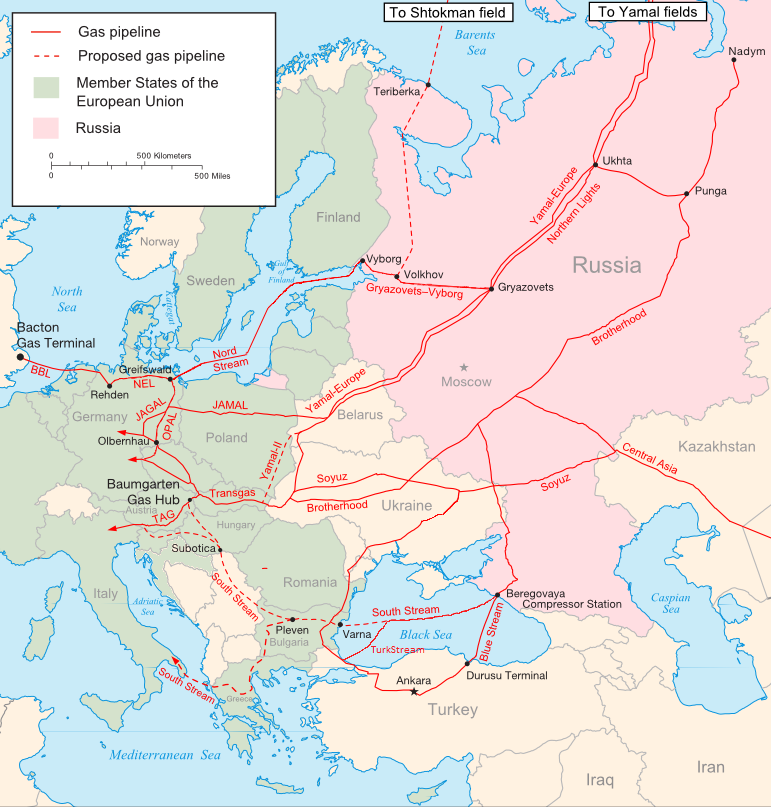
Think of these transmission lines as the major highways of the gas delivery system. They are large-diameter pipes that move huge volumes of gas at very high pressures, typically between 200 and 1,500 pounds per square inch (psi). High pressure allows more gas to be moved efficiently over long distances.
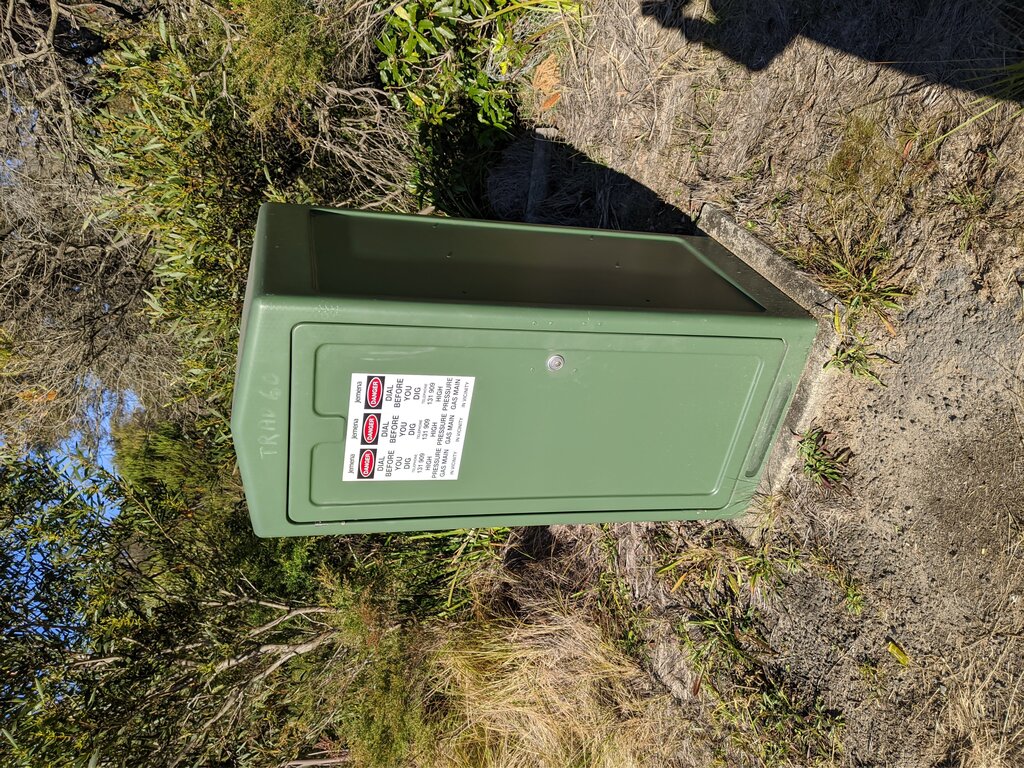
As the gas nears a town or city, it is diverted into smaller, lower-pressure pipes called distribution mains. These are the local roads of the gas network, running under streets and neighborhoods.
At various points, the pressure must be reduced. This happens at gate stations or regulator stations, which act as checkpoints to safely step down the pressure before the gas is delivered to customers.
Your Home's Gas System
The final leg of the journey brings the gas from the distribution main in your street to the appliances in your home. This starts with the service line, a smaller pipe that connects the main to your property.
The service line leads to two key components, usually located together on the outside of your house: the gas meter and a pressure regulator.
The gas meter measures the volume of gas you use, which the utility company reads to calculate your bill. Older meters have dials, while newer ones are often digital and can be read remotely.
The pressure regulator is arguably the most important safety device in the system. The pressure in the distribution main, while lower than a transmission line, is still far too high for your home's appliances. The regulator reduces the pressure to a very low level, typically around 0.25 psi. This gentle, consistent pressure is what allows your furnace, water heater, and stove to operate safely and efficiently.
From the meter and regulator, a network of pipes, usually made of black steel or flexible corrugated stainless steel tubing (CSST), runs through your walls, basement, or attic to each gas-powered appliance.
Safety First
Working with natural gas demands a strict adherence to safety standards and codes. These rules are in place to prevent leaks, fires, and explosions. They govern everything from the type of pipe and fittings used to the way connections are made and tested.
The most immediate danger associated with natural gas is a leak. Because of the added odorant, the first sign of a leak is usually that distinct rotten-egg smell. If you ever smell gas, you should act immediately:
| Do | Do Not |
|---|---|
| Leave the area immediately. | Do not try to find the leak. |
| Go to a safe location and call your gas utility's emergency number or 911. | Do not use anything that could create a spark, such as light switches, phones, or flashlights. |
| Warn others to stay away from the area. | Do not start a vehicle or use any open flame. |
Understanding how this system works—from the high-pressure transmission lines down to the low-pressure pipes feeding your furnace—is the first step toward working with it safely. It's a reliable and efficient energy source, but one that must always be treated with respect.
Now, let's check your understanding of these core concepts.
What is the primary chemical component of natural gas?
What is the main purpose of adding mercaptan to natural gas?