Natural Gas Energy Systems
Hydrocarbon Chemical Properties
The Alkane Family
Natural gas is primarily methane (), the simplest hydrocarbon. But raw natural gas extracted from the ground is a mix. It contains a series of other hydrocarbons known as alkanes, or the paraffin series. These molecules are chains of carbon atoms bonded to hydrogen atoms.
The first four alkanes are the most common in natural gas: methane, ethane, propane, and butane. Their chemical structures are simple and follow a clear pattern. Methane has one carbon atom. Ethane has two, propane has three, and butane has four. As the carbon chain gets longer, so does the number of hydrogen atoms attached to it.
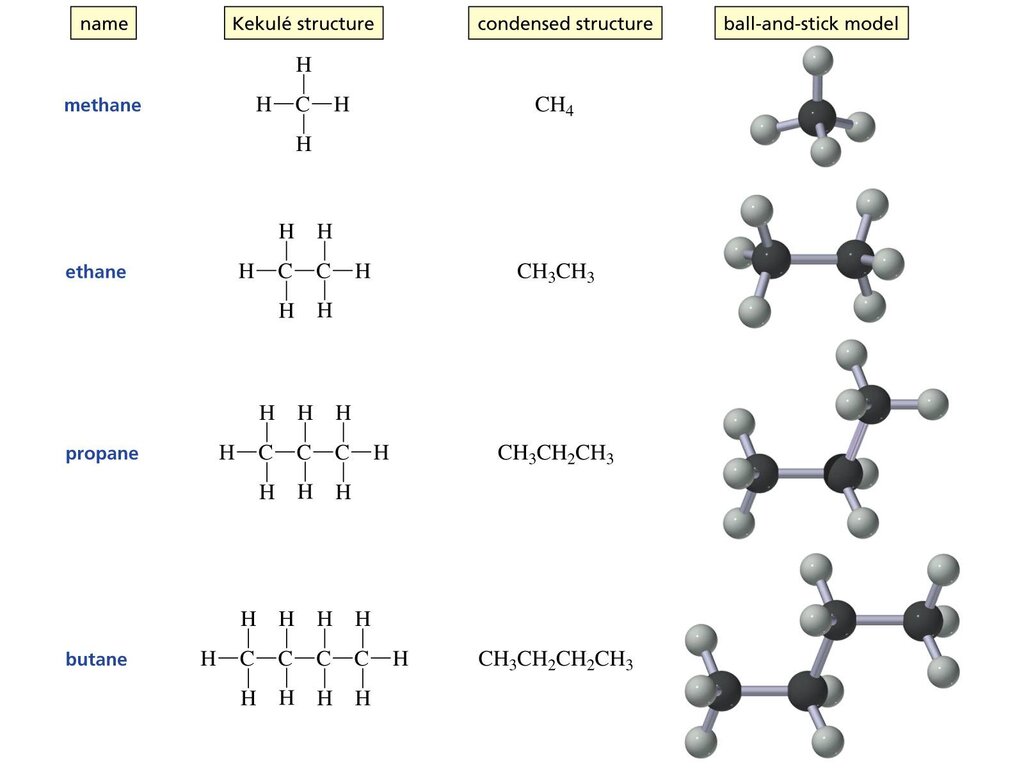
The general formula for an alkane is . For methane (n=1), the formula is . For ethane (n=2), it's . This predictable structure governs the chemical and physical properties of each compound in the series. The length of the carbon chain is the single most important factor determining how each component behaves.
Energy and Physical State
The longer the carbon chain, the more energy is stored in the molecule's chemical bonds. When a hydrocarbon burns, it reacts with oxygen and releases this energy as heat. This is why the heating value, or energy density, increases with the size of the alkane. Propane, for instance, releases more energy per molecule than methane.
| Alkane | Formula | Boiling Point (°C) | Heating Value (MJ/m³) |
|---|---|---|---|
| Methane | -161.5 | 37.7 | |
| Ethane | -88.6 | 64.4 | |
| Propane | -42.1 | 91.2 | |
| Butane | -0.5 | 118.0 |
This difference in properties leads to important classifications for natural gas. Gas that is almost pure methane is called "dry gas" or "lean gas." Gas that contains significant amounts of heavier alkanes like ethane, propane, and butane is called "wet gas" or "rich gas." These heavier components are known as Natural Gas Liquids (NGLs) because they are easily separated from the methane and liquefied under moderate pressure.
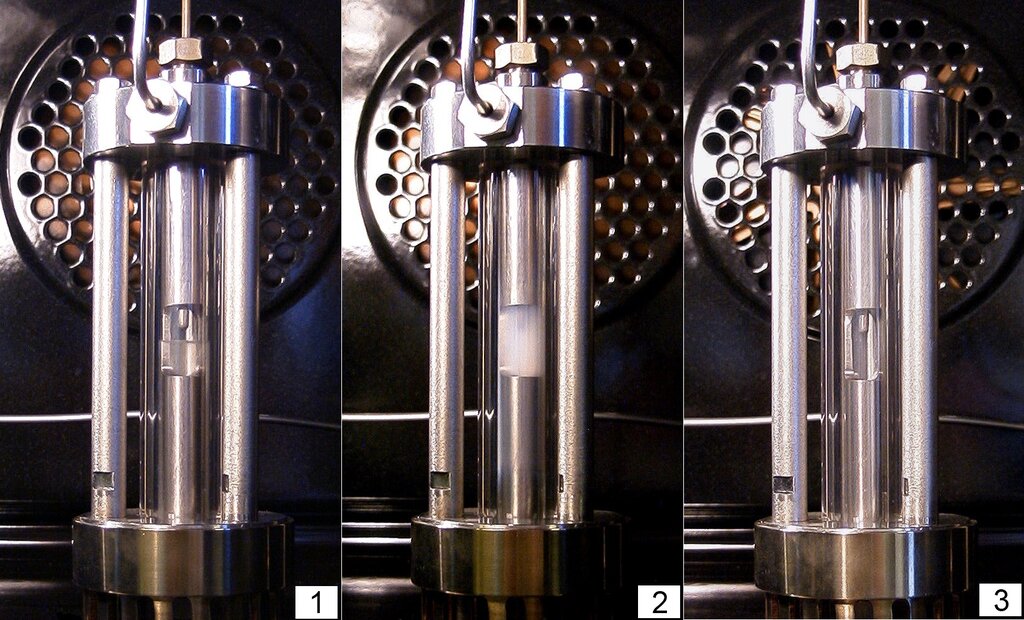
Wet gas is often more valuable than dry gas. While methane is primarily burned for heat and electricity, NGLs are critical feedstocks for the petrochemical industry. Ethane is used to produce ethylene, a building block for plastics. Propane and butane are sold as liquefied petroleum gas (LPG) for heating and transportation. The physical state of these compounds depends heavily on temperature and pressure, a relationship captured in phase diagrams.
Sweet vs Sour Gas
Beyond hydrocarbons, raw natural gas contains impurities. The most common are hydrogen sulfide () and carbon dioxide (). A gas's classification as "sweet" or "sour" depends on the concentration of these impurities, particularly .
Sweet Gas: Contains very little or no hydrogen sulfide. Sour Gas: Contains significant levels of hydrogen sulfide.
is a toxic, corrosive gas with a distinct rotten-egg smell. Even in small amounts, it poses safety risks to workers and can damage pipelines and equipment. Carbon dioxide is less hazardous but is non-combustible, so it reduces the heating value of the gas. If is present in high concentrations, it must also be removed.
Both and are referred to as "acid gases" because they form acidic solutions in the presence of water. Removing these impurities is a process called "gas sweetening." This treatment is essential before the natural gas can be sold, ensuring it is safe, non-corrosive, and meets quality standards for commercial use.
What is the primary component of natural gas?
Which of the following alkanes would release the most energy per molecule when burned?
Understanding these chemical properties is key to the entire natural gas value chain, from extraction and processing to its final use as a fuel or chemical feedstock.