Natural Approaches to Tinnitus
Understanding Tinnitus
The Sound No One Else Hears
Tinnitus is the perception of sound when no external noise is present. It’s often called “ringing in the ears,” but people with tinnitus experience a wide range of phantom noises, including buzzing, hissing, clicking, or roaring. It's important to understand that tinnitus isn't a disease itself. Instead, it's a symptom of an underlying condition.
There are two main types of tinnitus:
-
Subjective Tinnitus: This is the most common form, where only you can hear the sound. It's a neurological phenomenon, meaning the sound is generated somewhere in the auditory pathways of your brain, not in your ear itself.
-
Objective Tinnitus: This type is very rare. The sound is an actual noise created by structures near the ear, like blood vessels or muscles. In some cases, a doctor can hear this sound during an examination.
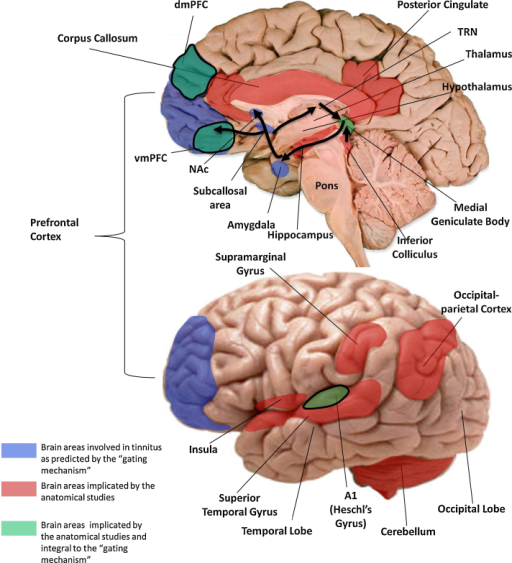
Who Experiences Tinnitus?
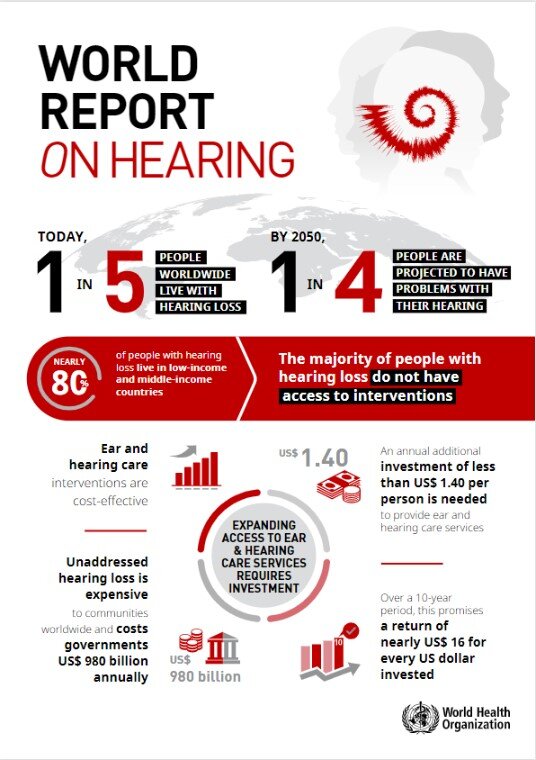
Tinnitus is surprisingly common, affecting an estimated 15% to 20% of the population. While it can occur at any age, it becomes more prevalent in older adults. Certain groups have a higher risk, particularly those regularly exposed to loud environments. This includes military veterans, factory workers, construction workers, and musicians.
Though more frequent in older populations, tinnitus can affect people of all ages, including children and adolescents.
Living with the Sound
The experience of tinnitus varies greatly from person to person. For some, it's a mild, occasional annoyance. For others, the sound is constant and loud, significantly disrupting their daily lives. The pitch and type of sound can also change over time.
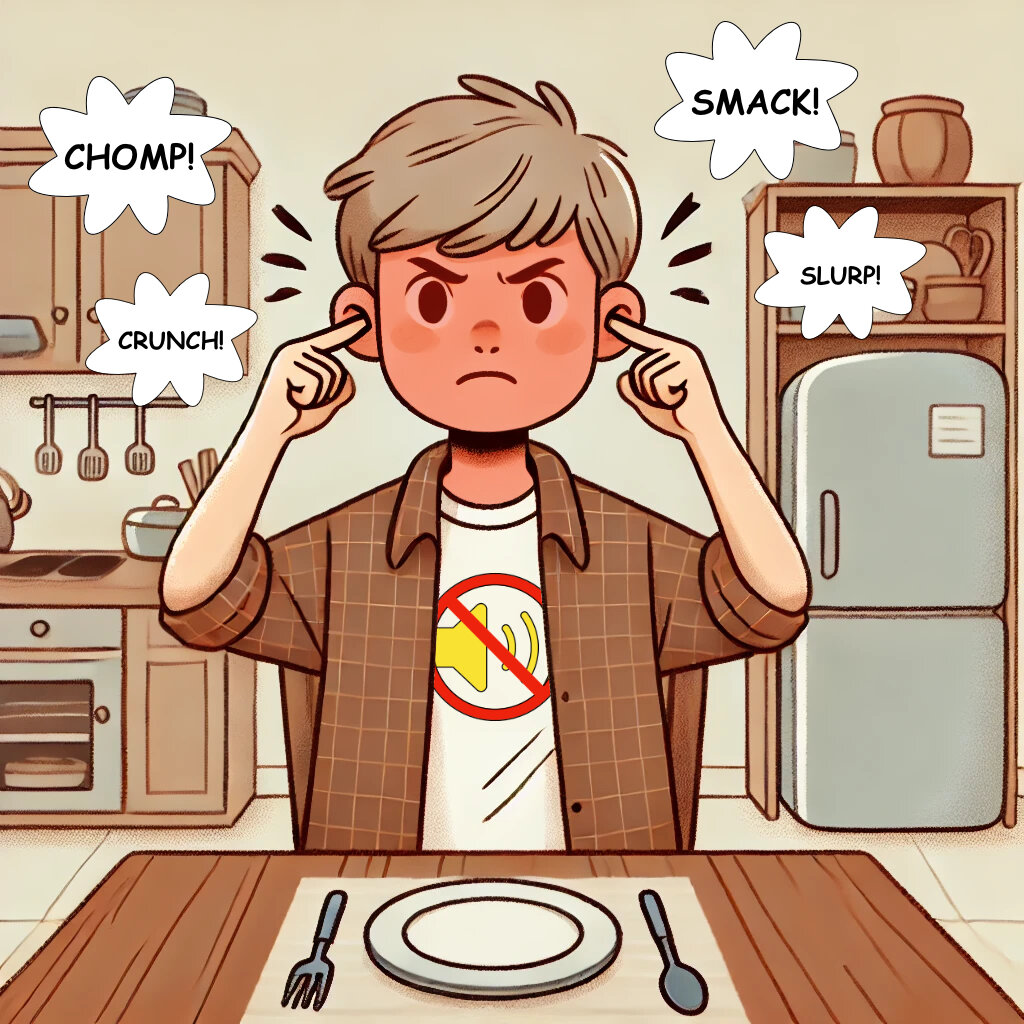
The persistent nature of severe tinnitus can have a profound impact on mental and emotional health. It can make it difficult to concentrate on tasks or hear conversations, leading to frustration and social isolation. Many people with chronic tinnitus also struggle with:
- Sleep disturbances: The sound can be more noticeable in quiet environments, making it hard to fall or stay asleep.
- Anxiety and irritability: The constant noise can be a major source of stress.
- Depression: Over time, the challenges of living with tinnitus can lead to feelings of hopelessness and depression.
Because of these effects, managing the psychological impact of tinnitus is just as important as addressing the sound itself.
Tinnitus is best described as:
What is the key difference between subjective tinnitus and objective tinnitus?