Native Brazilian Plants for Landscaping
Introduction to Brazilian Flora
A World Within a Country
Brazil is home to more types of plants than almost anywhere else on Earth. This incredible biodiversity isn't spread out evenly. Instead, the country is a mosaic of vastly different environments, each with its own unique collection of plant life. Understanding these massive ecosystems is the first step to appreciating the richness of Brazilian flora.
Brazil's Green Kingdoms
Three of the most significant biomes are the Amazon Rainforest, the Cerrado, and the Atlantic Forest. Each is a world unto itself.
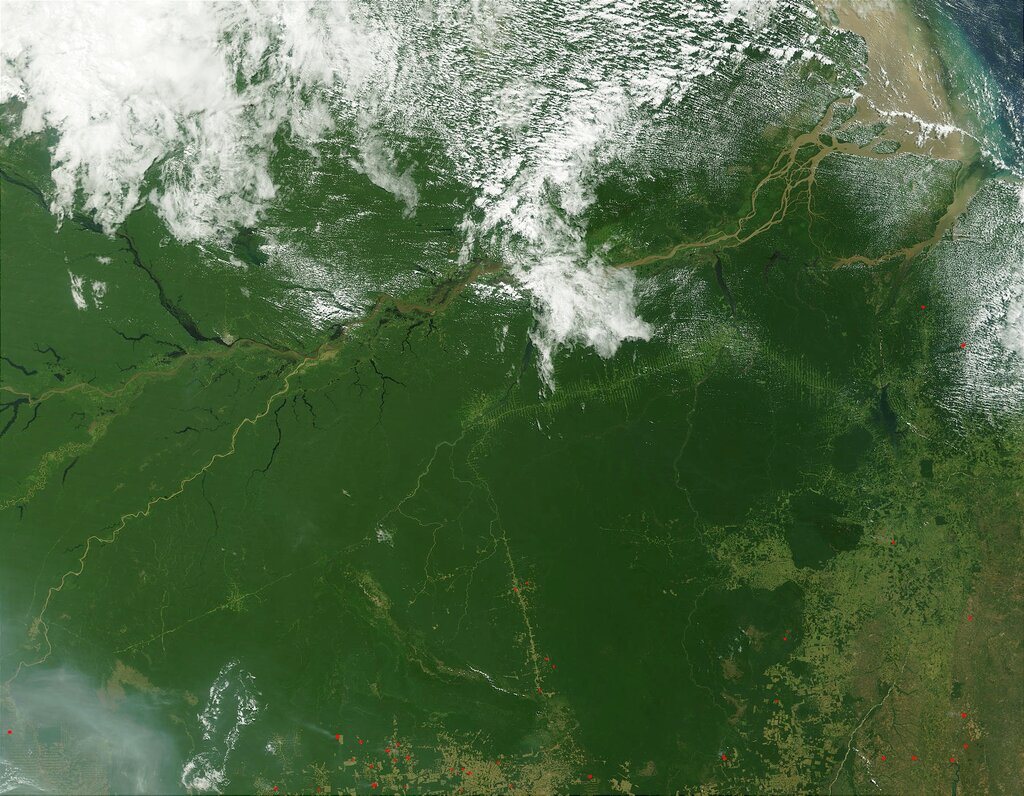
The Amazon Rainforest is what many people picture when they think of Brazil. It's a massive, humid, and dense jungle, teeming with life. The sheer number of trees creates a canopy so thick that the forest floor can be quite dark. This environment is crucial for global climate stability, acting as a giant air and water purifier.
Stretching across central Brazil is the Cerrado, a sprawling tropical savanna. Forget the image of a dense jungle; the Cerrado is a landscape of grasslands, hardy shrubs, and twisted, cork-barked trees scattered across the plains. Its plants are masters of survival, adapted to a climate with distinct wet and dry seasons and frequent natural fires.
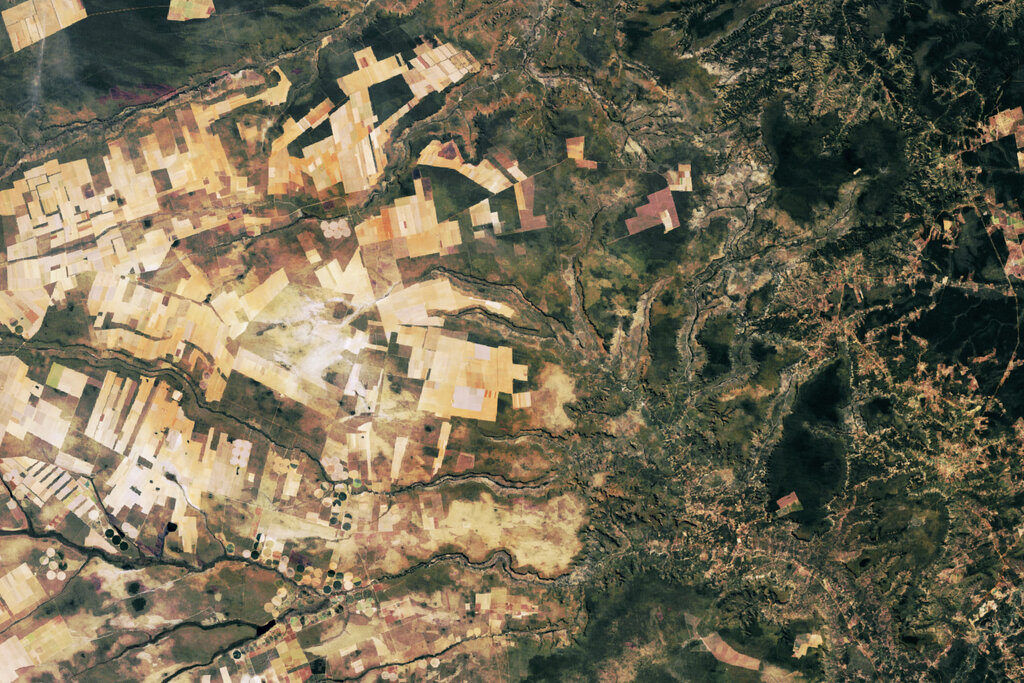
Finally, there's the Atlantic Forest, or Mata Atlântica. This forest once stretched all along Brazil's coastline, but it is now highly fragmented. Despite its reduced size, it remains a hotspot of biodiversity, with a staggering number of species that exist nowhere else in the world. Its environment ranges from coastal mangroves to misty mountain forests.
Why Native Plants Matter
The plants native to these ecosystems are more than just scenery. They are the foundation of healthy, functioning environments. They have co-evolved with local insects, birds, and mammals for thousands of years, providing essential food and shelter. When a native plant disappears, it can set off a chain reaction affecting many other species.
A local butterfly might depend on a single native plant species to lay its eggs. Without that plant, the butterfly can't reproduce.
This deep connection to their environment is also what makes native plants so valuable for landscaping and gardening. Because they are perfectly adapted to the local soil, rainfall patterns, and climate, they thrive with minimal intervention. They typically require less water, no chemical fertilizers, and less overall maintenance than non-native species.
Using native plants in your landscaping is beneficial for the environment and easier to maintain.
By choosing native plants, we help conserve biodiversity, support local wildlife, and create sustainable, resilient green spaces. It's a way of bringing a small piece of Brazil's natural heritage into our own backyards, strengthening the local ecosystem one plant at a time.