Native American Prophecy and the Baha'i Faith
Introduction to Native American Prophetic Traditions
Visions of Renewal
Throughout history, periods of great turmoil have often given rise to visionary leaders. For many Native American nations, the centuries following European contact brought immense upheaval, including disease, loss of land, and cultural disruption. In response, prophetic figures emerged with powerful messages of hope, renewal, and resistance.
These prophets were not simply predicting the future. They were spiritual leaders who received visions—powerful dreams or revelations—that provided guidance for their communities. Their teachings often called for a return to traditional ways, a rejection of harmful outside influences, and a spiritual reawakening to restore balance to the world.
Native American spiritual practices were diverse but consistently emphasized balance, harmony, and the interconnectivity of all living things—guiding principles that continue to be respected and practiced today.
The Master of Life
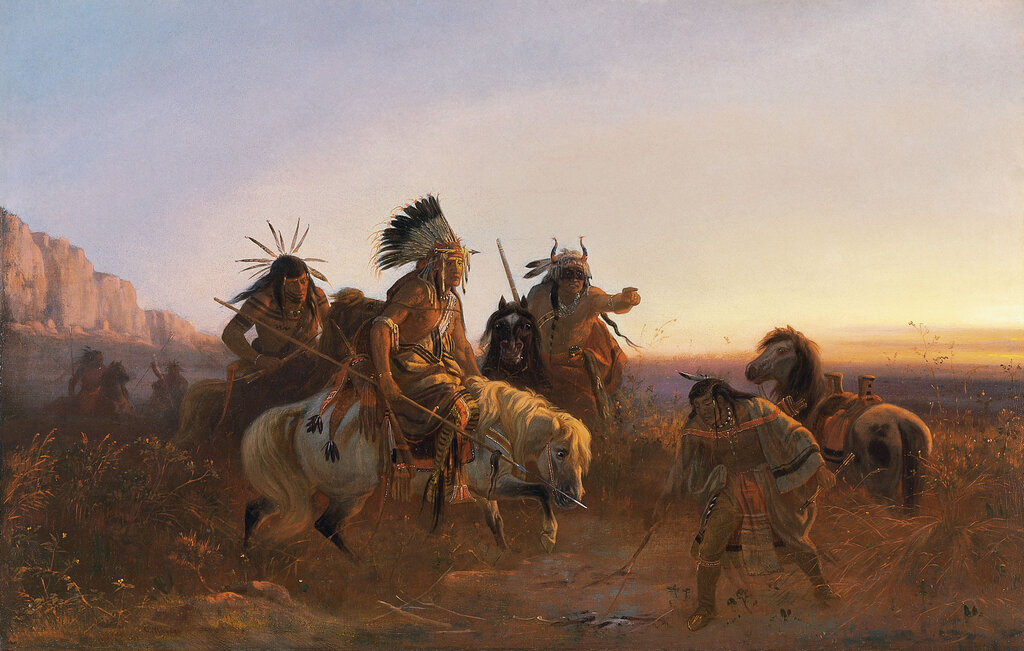
In the 1760s, a Lenape (Delaware) prophet named Neolin experienced a profound vision. He journeyed to meet the Master of Life, who showed him the path his people should follow to reclaim their power and happiness. The Master of Life instructed Neolin that they must reject European trade goods, alcohol, and ways of life, which had corrupted their spirits and their lands.
Neolin's vision called for a pan-tribal alliance, uniting different nations to resist colonial expansion and spiritually purify themselves.
His message spread rapidly among the tribes of the Ohio Valley and Great Lakes region. It became the spiritual foundation for a military and political confederacy led by the Odawa leader Pontiac. Though the rebellion was ultimately unsuccessful in driving out the British, Neolin's teachings marked a significant moment of unified Indigenous resistance rooted in prophetic guidance.
The Ghost Dance
More than a century later, another powerful vision emerged in the Great Basin. In 1889, a Paiute man named Wovoka fell ill during a solar eclipse and had a vision of the spirit world. He was told that if Native people lived in peace and performed a sacred circular dance, the world would be renewed.
This ceremony became known as the Ghost Dance. Wovoka's prophecy promised that the dance would bring about a new world where the buffalo would return, deceased ancestors would be resurrected, and the land would be free of colonizers. The message was one of hope and regeneration, not military conflict. It spread with incredible speed across the Plains and to tribes as far as the Dakotas and Oklahoma.
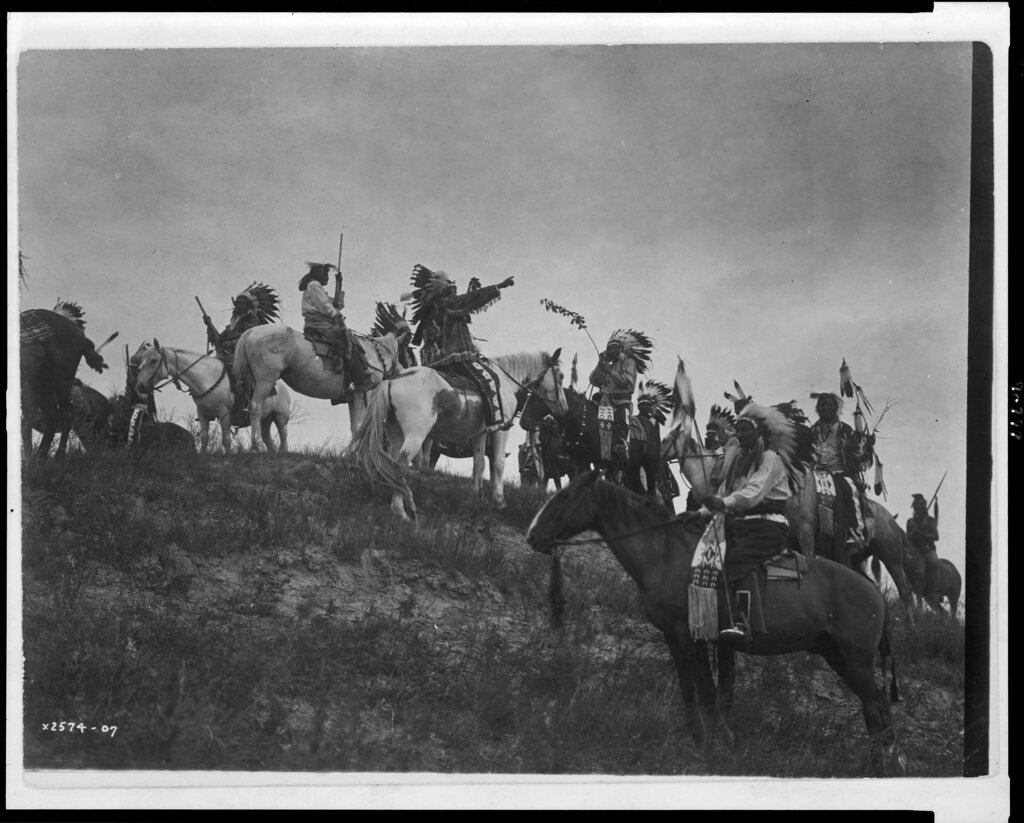
However, U.S. government agents saw the large, emotional gatherings as a threat. Their fear and misunderstanding of the Ghost Dance contributed to the tragic massacre at Wounded Knee in 1890, where U.S. soldiers killed hundreds of Lakota men, women, and children.
A Vision of Healing
Not all prophetic movements were met with such violence. In the Pacific Northwest, a Squaxin Island man named John Slocum fell gravely ill in 1881. After his family believed he had died, he revived and told them he had visited heaven. There, God gave him a mission: to teach his people a new way to pray and heal themselves.
Slocum’s teachings formed the basis of the Indian Shaker Church. The religion blended traditional Indigenous spiritual practices with elements of Christianity. A central practice involves a form of spiritual trembling or shaking, believed to be a divine force that can brush away sin and sickness. The church provided a powerful source of community and spiritual identity, emphasizing sobriety and mutual support.
Unlike movements focused on direct resistance to outsiders, the Indian Shaker Church focused on internal community healing and cultural adaptation.
These movements, from Neolin's call for unity to the Ghost Dance's vision of renewal and the Indian Shaker Church's path of healing, show the resilience of Native American spirituality. They were powerful, creative responses to immense pressure, adapting tradition to new circumstances and offering a path forward for their people.
Let's check your understanding of these important prophetic traditions.
What was the central message of the Lenape prophet Neolin in the 1760s?
The Ghost Dance movement, taught by the Paiute prophet Wovoka, was primarily focused on...
These visionary movements highlight a recurring theme in human history: in times of crisis, people often look to spiritual guidance to find hope and forge a new path.