National Urban Health Mission Deep Dive
Urban Health Landscape
The Urban Health Paradox
Cities are often seen as engines of growth and opportunity, places with better hospitals and more doctors. But in India, rapid and often chaotic urbanization has created a sharp paradox. While wealth is concentrated in urban centers, so are some of the country's most pressing health crises. Millions of people move to cities each year seeking better lives, but they often land in overcrowded settlements with little access to the very services that are supposed to make urban life healthier.
This explosive growth puts a tremendous strain on public infrastructure that was never designed to support such dense populations. The result is a complex urban health landscape where prosperity and poverty exist side-by-side, creating vast differences in the quality of life and health for those who live there.
Strained Systems and Widening Gaps
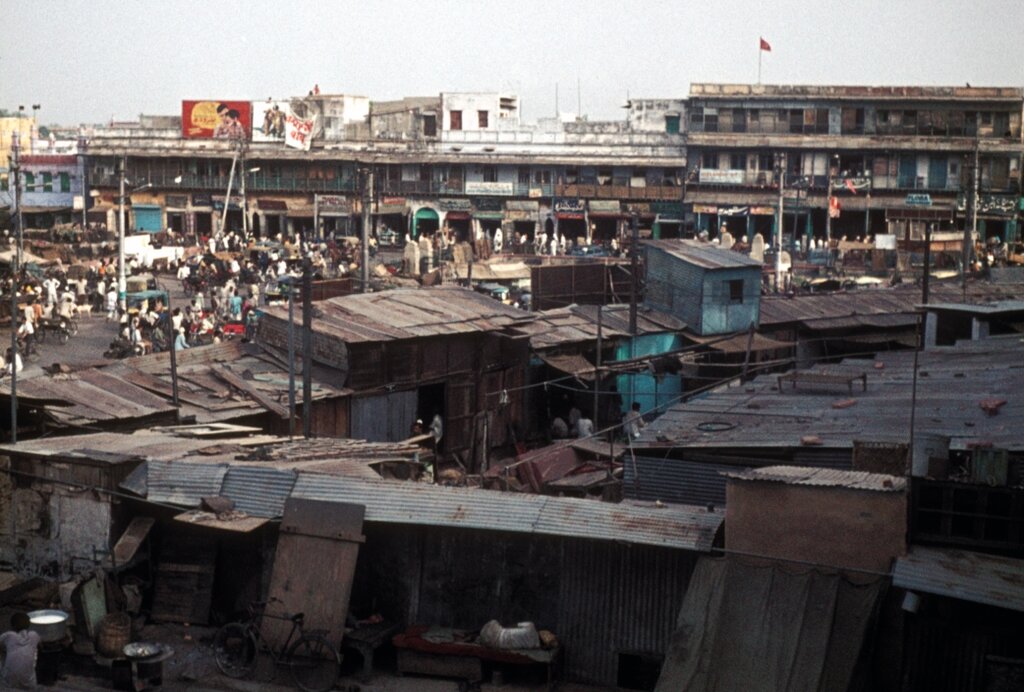
As cities expand, public health systems struggle to keep up. Hospitals are overburdened, primary health centers are understaffed, and essential services like water and sanitation lag far behind the needs of the growing population. This strain doesn't affect everyone equally. A stark divide separates those who can afford private healthcare from those who cannot.
This creates significant health disparities. The urban poor—a group that includes not just slum dwellers but also street vendors, construction workers, and domestic help living in informal settlements—face the biggest hurdles. They often lack access to basic preventive care and are forced to rely on costly, unregulated private clinics or overcrowded public facilities. This gap means that a person's income and address can be a stronger predictor of their health than almost any other factor.
In many Indian cities, your zip code can determine your life expectancy. Proximity to quality healthcare, clean water, and sanitation creates two vastly different urban experiences.
A Double Burden of Disease
Urban environments in India are battling a "double burden" of disease. They face health problems typical of both developing and developed nations simultaneously.
On one hand, communicable diseases thrive in the very conditions created by unplanned urbanization. Overcrowding, contaminated water, and inadequate sanitation are breeding grounds for illnesses like tuberculosis, cholera, typhoid, and dengue fever. These diseases spread quickly in densely populated slums where families may share a single room and have no access to a private toilet or clean tap water.
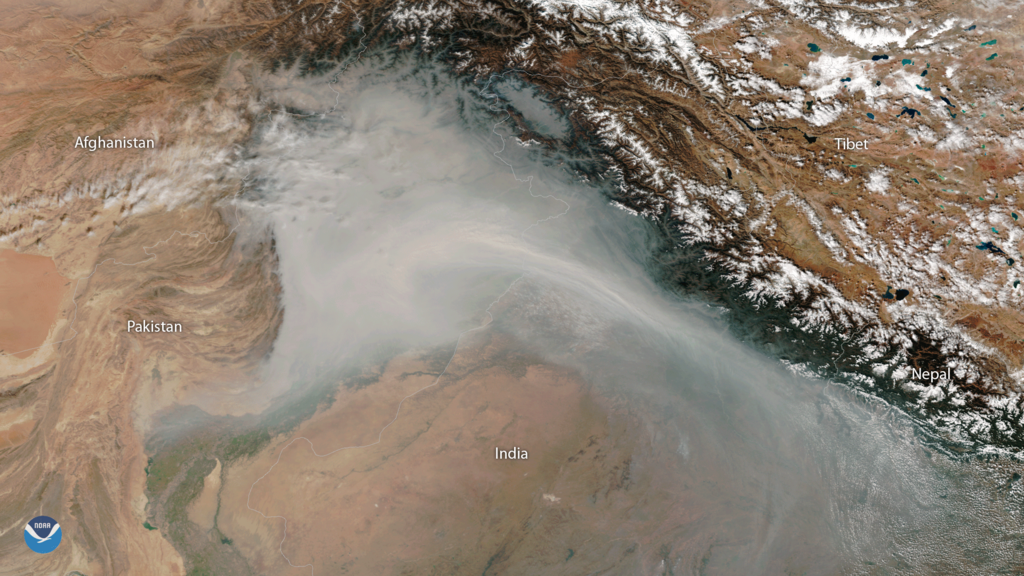
On the other hand, cities are also epicenters for non-communicable diseases (NCDs). Urban lifestyles—often characterized by sedentary jobs, stress, processed foods, and high levels of air pollution—contribute to rising rates of diabetes, heart disease, cancer, and chronic respiratory conditions. This dual threat places an immense and complicated demand on the urban health system, which must be equipped to perform heart surgery and also prevent a cholera outbreak.
The Social Roots of Urban Illness
A person's health is shaped by more than just access to doctors and medicine. In cities, the social determinants of health—the conditions in which people are born, grow, work, live, and age—play a massive role in health outcomes. These factors are the root causes of many health inequities.
Key determinants in urban India include:
-
Housing: Living in a dilapidated or overcrowded home in a slum increases exposure to indoor air pollution, infectious diseases, and mental stress.
-
Water and Sanitation: Lack of access to safe, piped water and hygienic toilets is a direct cause of waterborne illnesses that disproportionately affect children.
-
Food Security: The urban poor often face high food prices and have limited access to nutritious options, leading to malnutrition or obesity from consuming cheap, high-calorie foods.
-
Working Conditions: Many urban informal workers face hazardous conditions without any social protection or health benefits.
Addressing these social factors is just as important as building more hospitals. Without improvements in the fundamental living conditions for the urban poor, true health equity remains out of reach. Understanding this complex web of challenges is the first step in seeing why a dedicated mission for urban health is so critical.
What is the central paradox of urbanization in India as described in the provided text?
The "double burden of disease" in urban India refers to the challenge of dealing with which two types of health problems simultaneously?