Natal Chart Essentials
Astrology Basics
The Four Core Components
Astrology is a symbolic language that uses the positions of celestial bodies to describe personality, relationships, and life events. Think of a birth chart as a snapshot of the sky at the exact moment you were born. To read this cosmic map, you need to understand its four essential parts: the planets, the zodiac signs, the houses, and the aspects.
How to Read the Symbols: If all the world’s a stage, Planets are the Actors in the show, Zodiac Signs are the Roles/Costumes they take on, and Houses are the Stage/Setting upon which they perform.
This analogy is a fantastic starting point. The planets represent fundamental drives or energies. The signs describe how these energies express themselves. The houses show where in your life these energies play out. Let's look at each of these building blocks.
The Zodiac Signs
The zodiac is a 360-degree band of sky that the Sun, Moon, and planets appear to travel through from our perspective on Earth. This band is divided into twelve 30-degree sections, each named after a constellation. These are the twelve zodiac signs.
Each sign has a unique personality, shaped by its element and modality. There are four elements—Fire, Earth, Air, and Water—which describe a sign's basic temperament. There are also three modalities—Cardinal, Fixed, and Mutable—which describe how a sign expresses its energy and responds to circumstances.
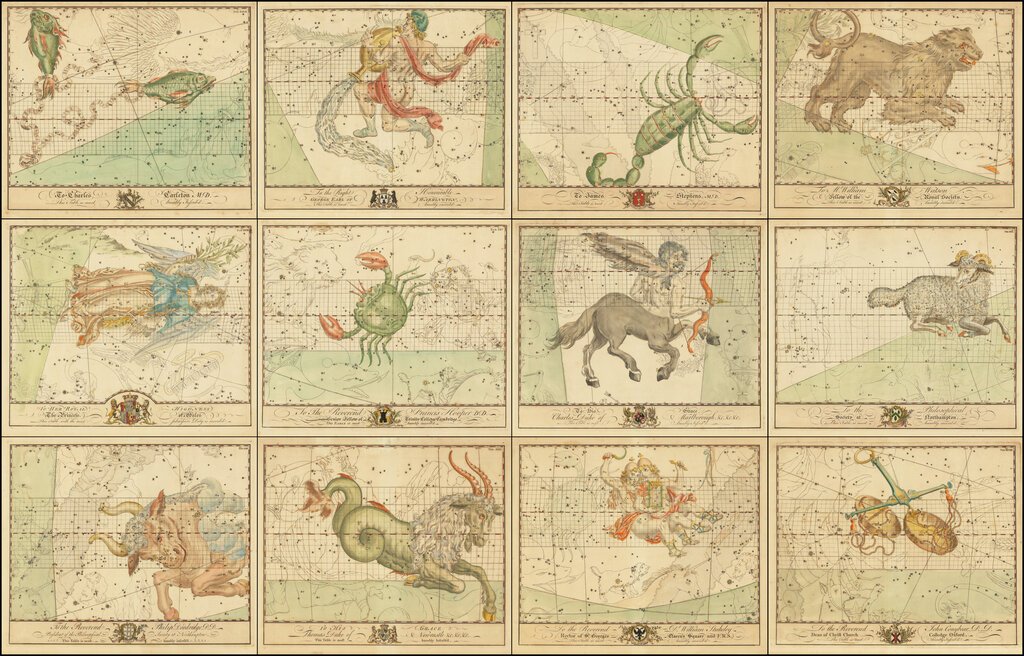
| Sign | Element | Modality | Keywords |
|---|---|---|---|
| Aries | Fire | Cardinal | Bold, Impulsive, Leader |
| Taurus | Earth | Fixed | Grounded, Sensual, Stubborn |
| Gemini | Air | Mutable | Curious, Adaptable, Communicative |
| Cancer | Water | Cardinal | Nurturing, Emotional, Protective |
| Leo | Fire | Fixed | Confident, Creative, Generous |
| Virgo | Earth | Mutable | Practical, Analytical, Detail-Oriented |
| Libra | Air | Cardinal | Diplomatic, Social, Fair-Minded |
| Scorpio | Water | Fixed | Intense, Passionate, Resourceful |
| Sagittarius | Fire | Mutable | Optimistic, Adventurous, Philosophical |
| Capricorn | Earth | Cardinal | Ambitious, Disciplined, Responsible |
| Aquarius | Air | Fixed | Innovative, Independent, Humanitarian |
| Pisces | Water | Mutable | Compassionate, Imaginative, Intuitive |
The Planets and Houses
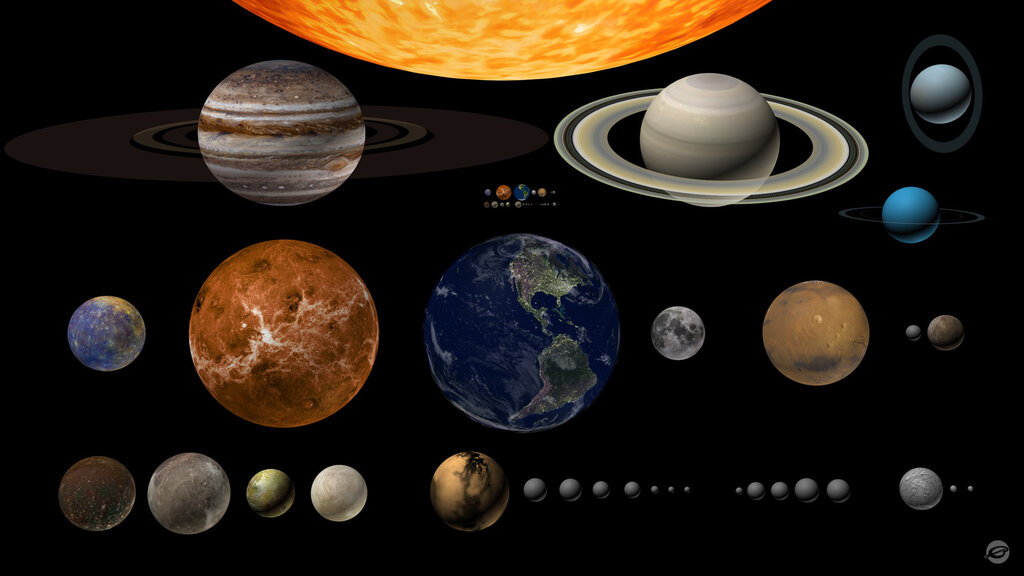
In astrology, the term "planets" includes the Sun, the Moon, and other celestial bodies in our solar system. Each planet symbolizes a core part of the human psyche.
The Sun represents your core identity and ego. The Moon governs your emotions and inner world. Mercury rules communication and thought, while Venus is about love, beauty, and values. Mars signifies action, drive, and desire.
Jupiter is the planet of expansion, luck, and philosophy. Saturn represents structure, discipline, and limitations. The outer planets—Uranus, Neptune, and Pluto—are generational, representing larger, more transformative energies that affect society as a whole.
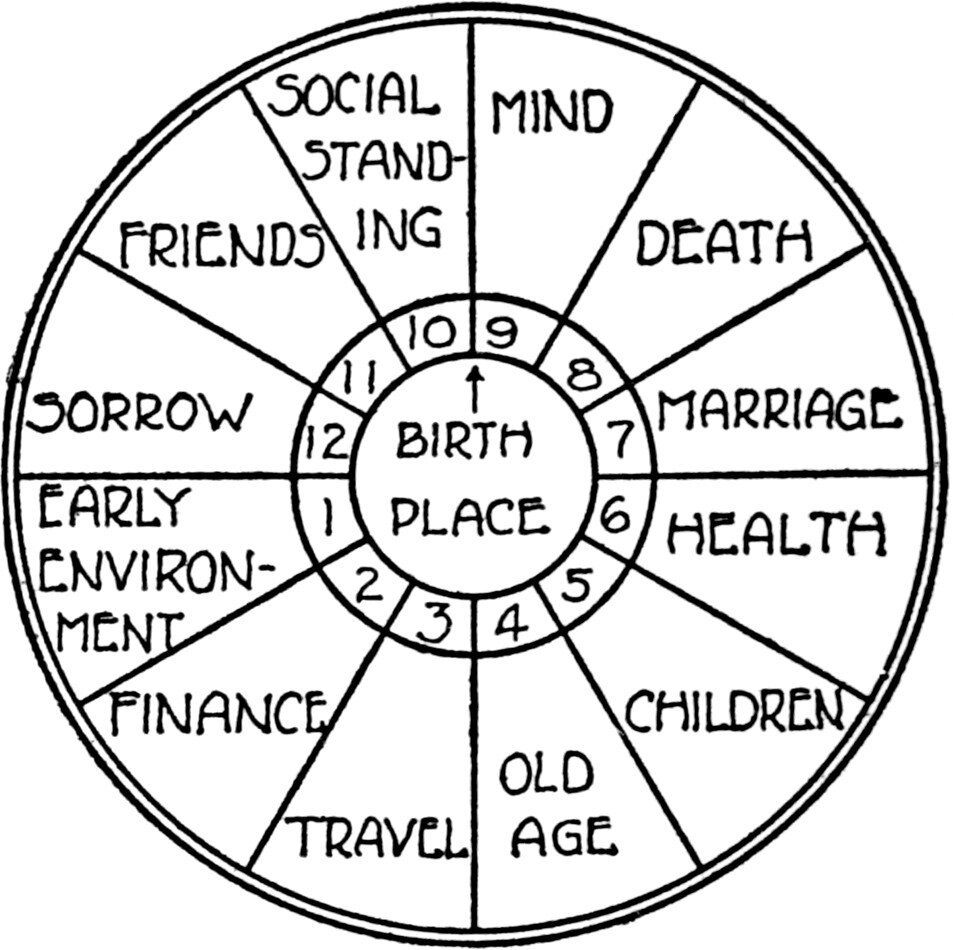
The houses represent the different areas of your life. Like the zodiac, the chart is divided into twelve houses, each governing a specific domain. For example, the First House is the house of self and identity, the Seventh House rules partnerships, and the Tenth House relates to career and public life.
When a planet is in a certain house in your birth chart, its energy is focused on that area of your life. A fiery, action-oriented Mars in the Tenth House of career might suggest an ambitious, driven professional.
The Aspects
The final piece of the puzzle is aspects. Aspects are the geometric angles between planets in a birth chart. They describe the relationship between different planetary energies and show how they interact. Are they working together harmoniously, or are they in conflict?
Think of it as a conversation between the planets. Some conversations are easy and flowing, while others are tense and challenging. These connections add layers of complexity and nuance to a chart reading.
aspect
noun
The angular relationship between two planets in a horoscope, believed to modify their influence.
The major aspects are based on specific angles:
Conjunction (0°): Two planets are in the same spot. Their energies are blended, creating a powerful fusion. Sextile (60°): An angle of opportunity and harmony. The planets support each other easily. Square (90°): An angle of tension and conflict. It creates challenges that push you to grow. Trine (120°): The most harmonious angle. The planets work together effortlessly, indicating natural talents. Opposition (180°): Two planets are directly opposite each other. This creates a dynamic of pull-and-push, demanding balance and integration.
Understanding these four elements—signs, planets, houses, and aspects—provides the foundation for interpreting any astrological chart. Together, they create a rich, detailed portrait of an individual's potential.