NASM Certified Personal Trainer
Introduction to Personal Training
The Role of a Personal Trainer
A certified personal trainer does more than just count reps. They are a guide, a motivator, and a safety expert all rolled into one. Their core job is to help clients reach their fitness goals in a way that is both effective and safe.
This involves several key responsibilities. First, they assess a client's current fitness level, health history, and personal goals. Think of it like a skilled mechanic diagnosing a car before starting any repairs. This initial assessment is the foundation for everything that follows.
Certification programs teach trainers how to design effective workout programs tailored to clients' goals and needs.
Using that information, they design a personalized workout plan. A program for a 65-year-old looking to improve balance will look very different from one for a 25-year-old training for a marathon. Throughout the process, the trainer demonstrates correct exercise form, provides motivation, and adjusts the plan as the client makes progress.
Getting Started with NASM
The National Academy of Sports Medicine (NASM) is one of the most respected certifying bodies in the fitness industry. To become a NASM Certified Personal Trainer (CPT), you need to meet a few basic requirements before you can even sit for the exam.
You must have a high school diploma or a GED. You also need to hold a current certification in Cardiopulmonary Resuscitation (CPR) and Automated External Defibrillator (AED) use.
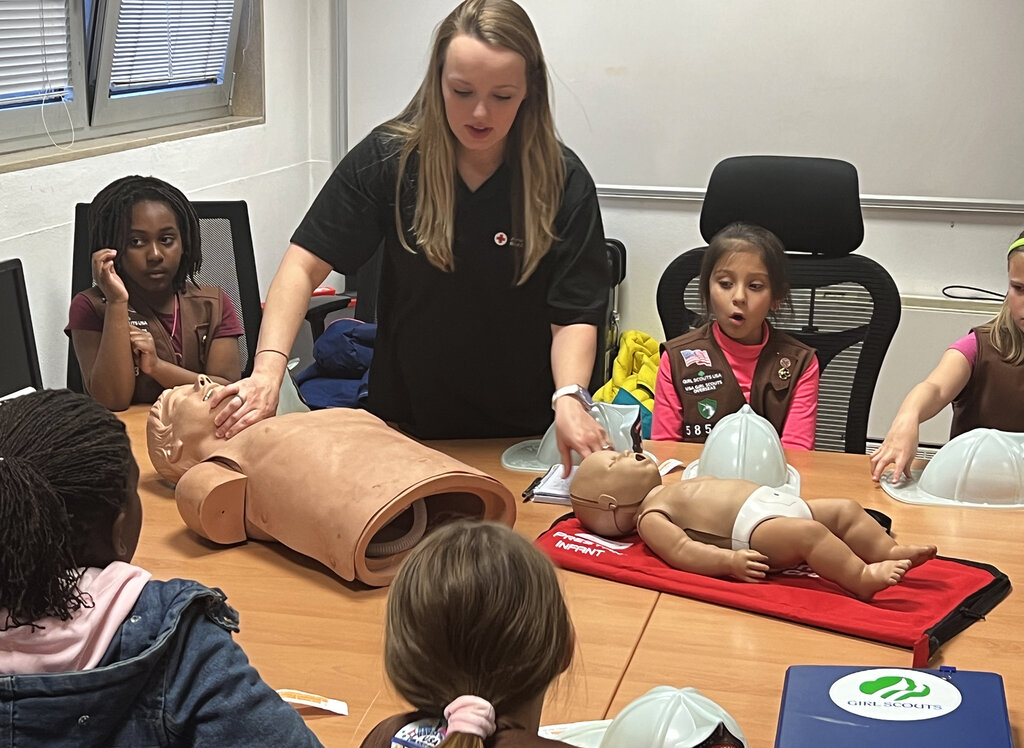
The CPR/AED requirement is not just a box to check. It's a critical component of a trainer's skill set. In an emergency, you are the first line of defense for your client's safety. Being prepared for a medical incident is a fundamental responsibility of the job.
A personal trainer’s primary responsibility is to the client’s safety, health and welfare. Never compromise this.
Choosing Your Exam Path
Once you meet the prerequisites, you can enroll in a NASM CPT program. NASM offers a few different study packages, but the most important choice you'll make is the type of final exam you take: proctored or non-proctored.
A proctored exam is supervised by a third-party proctor, either in-person at a testing facility or online with a live monitor. This ensures the integrity of the test. A non-proctored exam is taken on your own, without supervision.
| Feature | Non-Proctored Exam | Proctored Exam |
|---|---|---|
| Accreditation | None | NCCA Accredited |
| Location | Online, from home | Testing center or live online proctor |
| Format | Open-book | Closed-book |
| Best For | Personal knowledge | Professional career, employment |
So which one should you choose? The answer depends on your career goals. The proctored exam is accredited by the National Commission for Certifying Agencies (NCCA). This accreditation is the gold standard in the fitness industry. Most gyms and insurance providers require an NCCA-accredited certification to hire you or provide liability coverage.
If you're serious about making personal training your career, the proctored exam is the only real option. It validates your knowledge and opens the door to professional opportunities. The non-proctored exam is better suited for fitness enthusiasts who want to deepen their own knowledge without pursuing a career.
Ready to check your understanding?
What is the foundational first step a personal trainer takes when working with a new client?
Which of the following is a mandatory prerequisite for taking the NASM Certified Personal Trainer (CPT) exam?
Understanding these foundational elements is the first step on your path to becoming a successful personal trainer.