Narrative Voice and Melquiades in Macondo
Melquiades as Chronicler
The Ghost Writer
Melquíades arrives in Macondo not just as a character, but as an event. He is a gypsy, a bringer of scientific wonders like ice and magnets, but his true significance is tied to something far more permanent: the written word. From his first appearance, he is a bridge between the tangible world of the Buendías and the ethereal realm of knowledge and time. He doesn't just visit Macondo; he brings the outside world, and its history, with him.
His most important contribution, however, isn't an invention. It's a set of parchments. These aren't just old documents; they are the physical manifestation of the family's entire history. Melquíades writes them in his room, using a cryptic script and an unfamiliar language, which is later revealed to be Sanskrit. He is both a participant in the family's early days and the silent author of their entire existence from beginning to end.
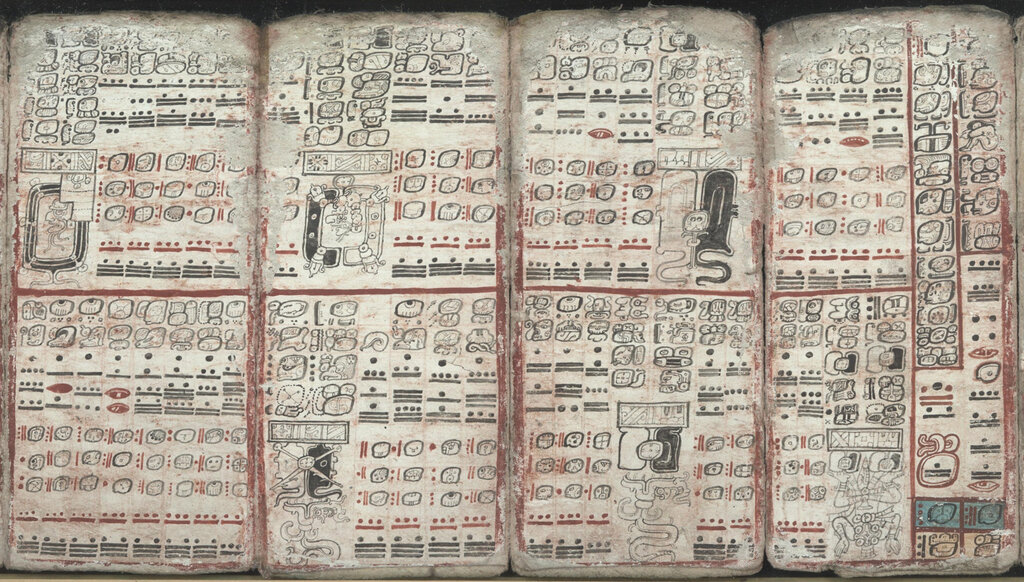
This positions him in a unique dual role. As a character, he befriends José Arcadio Buendía, dies, and returns from the dead. But as a chronicler, he transcends time, operating outside the story he is actively recording. He is the ghost in the machine, the unseen hand guiding the narrative long after his physical body has turned to dust.
A Prophecy in Ink
The parchments are not a history written in retrospect. They are a prophecy. Melquíades writes the story of the Buendía family one hundred years before the last of the line, Aureliano Babilonia, finally deciphers them. This means every joy, every tragedy, every solitary act has already been recorded. The characters are not forging their own destinies; they are living out a pre-written script.
The family's story is a circle, already completed before it even began. The act of reading the story is also the act of living its final moments.
This device changes how we understand the novel's narration. The all-knowing, or omniscient, narrator isn't some disembodied, godlike voice. The narrator's omniscience comes from a fixed, physical record. The story is being told by someone who has access to the parchments, recounting events that have a predetermined outcome. This concept of a book within a book is a classic example of meta-fiction.
This seamless blending of the supernatural into ordinary settings is known as magical realism, and it has been adopted in Latin American literature to defy Eurocentric notions and give marginalized voices a platform.
The ultimate revelation comes in the novel's final pages. As Aureliano Babilonia deciphers the last verses of the manuscript, he realizes he is reading the story of his own life, up to the very moment he is reading it. The act of reading the prophecy fulfills the prophecy. The story ends when the text is understood, and the city of Macondo is wiped from existence, just as Melquíades had written.
What is Melquíades's most significant and lasting contribution to the Buendía family?
True or False: Melquíades wrote the history of the Buendía family in retrospect, recording events after they occurred.
Through Melquíades and his manuscripts, the novel becomes a profound meditation on time, fate, and the power of storytelling to both create and destroy worlds.