Narcissism Explained
Personality Disorders Overview
When Personality Becomes a Problem
Everyone has a unique personality. It’s the collection of traits and patterns that shapes how we think, feel, and behave. But for some, these patterns become rigid and unhealthy, causing significant problems in their lives and relationships. This is where we enter the territory of personality disorders.
A personality disorder is not just a quirky habit or a bad mood. It's a long-term, inflexible pattern of inner experience and behavior that is very different from the expectations of one's culture. This pattern shows up in at least two of these areas: thinking, feeling, interpersonal relationships, or impulse control. It leads to distress for the person and can make it difficult to function at work, in social situations, or in other important areas of life.

These patterns typically begin in adolescence or early adulthood and remain stable over time. They aren't a reaction to a single stressful event but are a core part of how the person sees and interacts with the world. To make sense of them, mental health professionals group them into categories based on shared characteristics.
The Three Clusters
The Diagnostic and Statistical Manual of Mental Disorders (DSM-5-TR), the guide used by clinicians, organizes the ten primary personality disorders into three groups, or "clusters."
| Cluster | Core Traits | Disorders Included |
|---|---|---|
| Cluster A | Odd, Eccentric | Paranoid, Schizoid, Schizotypal |
| Cluster B | Dramatic, Emotional, Erratic | Antisocial, Borderline, Histrionic, Narcissistic |
| Cluster C | Anxious, Fearful | Avoidant, Dependent, Obsessive-Compulsive |
Let's briefly look at the flavor of each cluster.
Cluster A disorders are characterized by odd or eccentric behavior. People with these disorders often have trouble relating to others and may seem peculiar or withdrawn. Their thinking can be distorted, leading to social awkwardness and isolation.
Cluster B is marked by dramatic, overly emotional, or unpredictable thinking and behavior. Individuals in this cluster often struggle with impulse control and emotional regulation, which can lead to stormy relationships and a chaotic personal life.
Cluster C features anxious and fearful thinking or behavior. These disorders are rooted in high levels of anxiety, leading to social inhibition, feelings of inadequacy, and an overwhelming need to be taken care of or to control one's environment.
How a Diagnosis Is Made
Diagnosing a personality disorder is a complex process. It requires a mental health professional to conduct a thorough evaluation, looking for the long-term patterns that define these conditions. They'll consider a person's history, symptoms, and overall functioning.
It’s not as simple as checking off a list of symptoms from a single conversation. The clinician must see evidence of a pervasive pattern that causes significant impairment or distress. This is crucial because many people might show a trait or two of a personality disorder from time to time, especially during stressful periods.
A personality disorder is a consistent, long-term pattern, not a temporary reaction to a stressful event.
The key is whether these traits are inflexible, present across a wide range of situations, and trace back to early adulthood. The goal of diagnosis is to understand the nature of the person's difficulties to guide effective treatment. The focus is on the level of impairment in how a person functions, especially in their sense of self and their relationships with others.
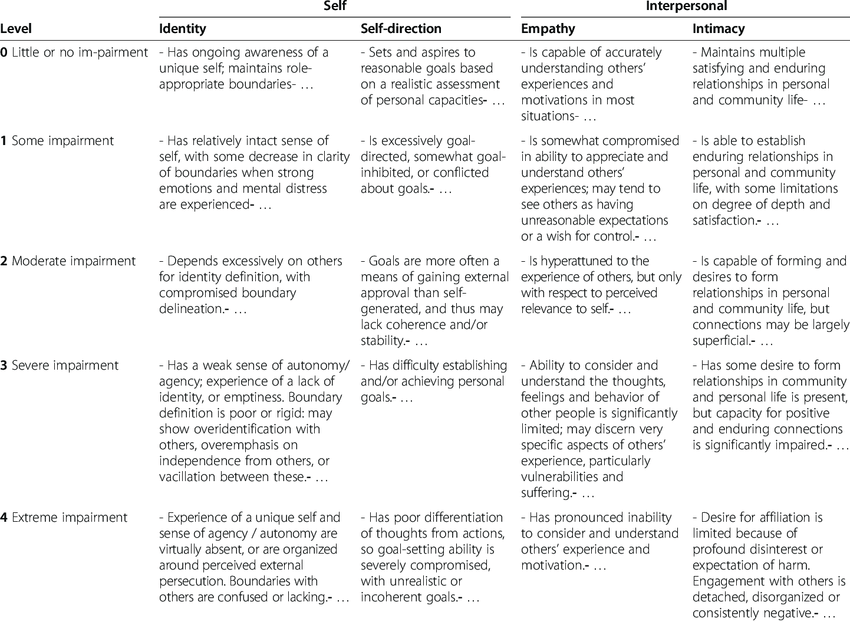
This foundational understanding of what personality disorders are, how they are grouped, and the principles of their diagnosis sets the stage for looking at specific disorders in more detail.
Which of the following is the most defining characteristic of a personality disorder?
A person who consistently displays dramatic, overly emotional, and unpredictable behavior would most likely fit into which personality disorder cluster?