Napa Valley History
Indigenous Peoples
The First People of the Valley
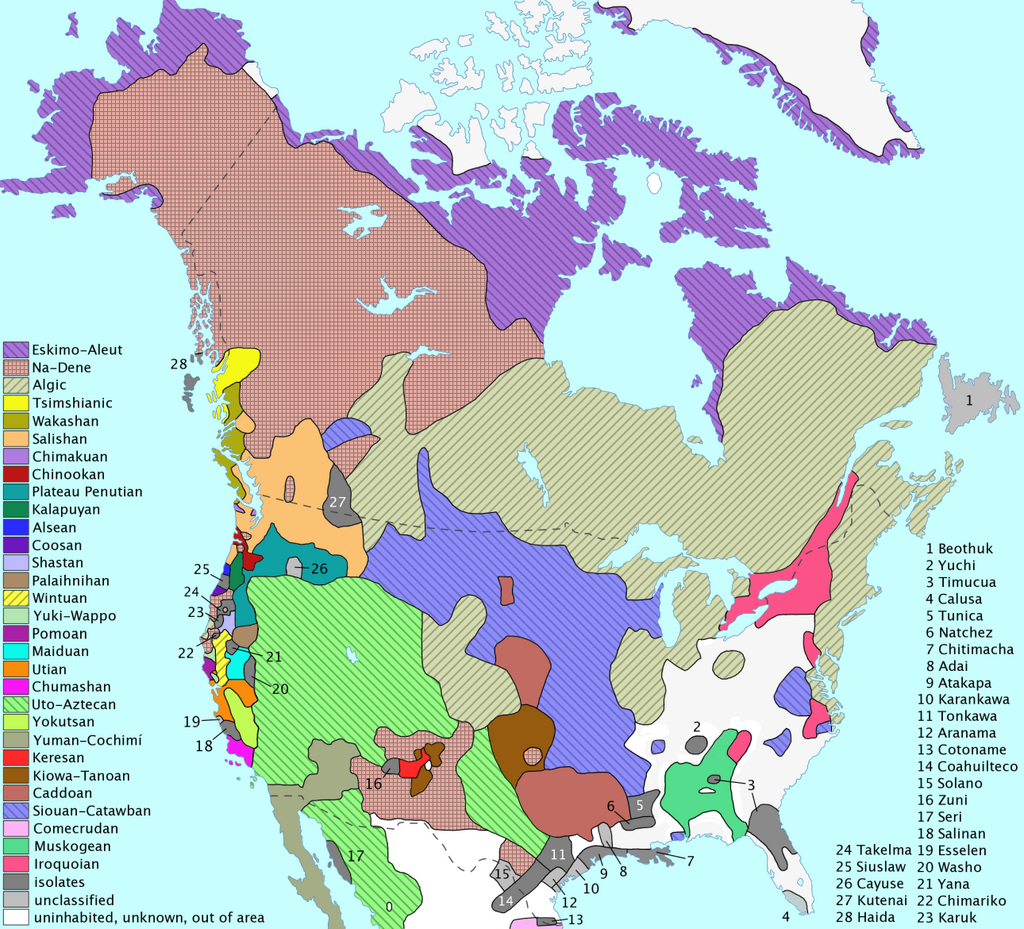
Long before Napa Valley was known for its vineyards, it was the homeland of the Wappo people. For thousands of years, they thrived in the fertile landscape, living in villages scattered from the slopes of Mount Saint Helena to the wetlands of the Napa River.
The name “Wappo” was given to them by Spanish colonists, likely a version of the Spanish word guapo, meaning “handsome” or “brave.” However, they called themselves Ash-o-chí-mi, which means “acorn people,” a name that reflects their deep reliance on the oak trees that dotted the valley.
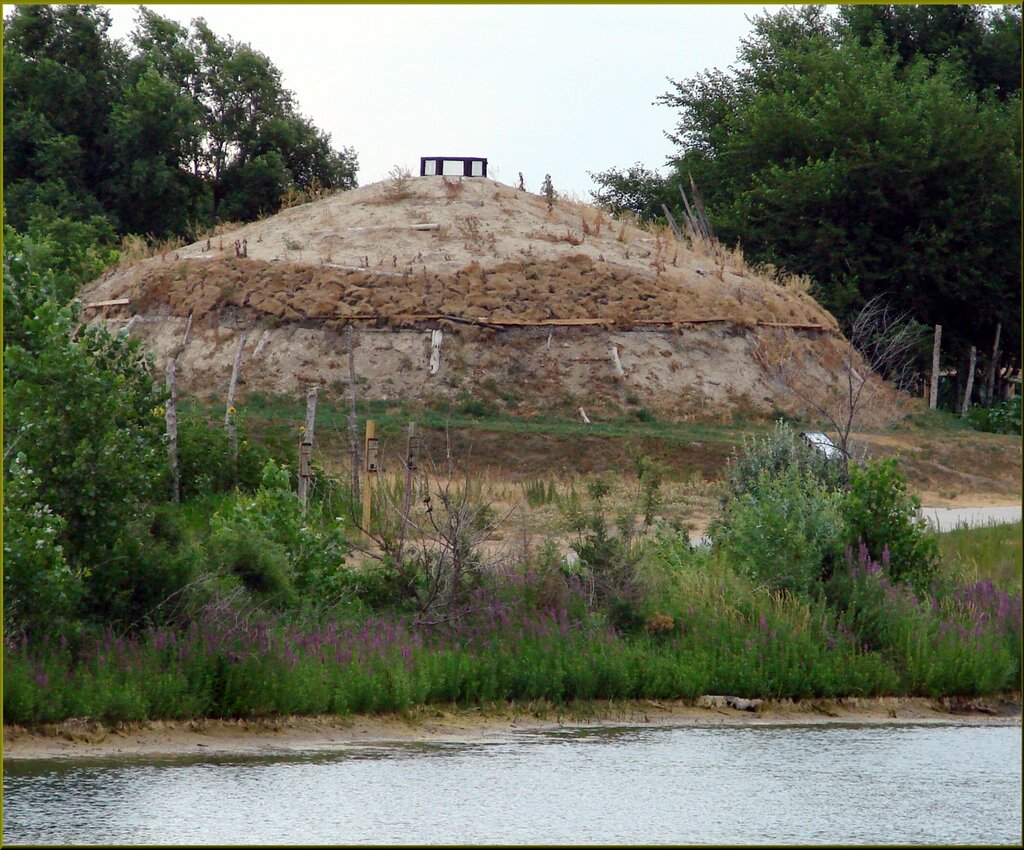
The Wappo lived a life tuned to the seasons. Their villages consisted of dome-shaped homes made from bent poles and covered with grasses or tule reeds. They were expert hunter-gatherers, with a diet rich in acorns, seeds, berries, fish from the river, and game like deer and elk. Acorns were a staple, and they developed a sophisticated process to leach out the bitter tannins, grinding the nuts into a flour for making mush or bread.
Wappo women were renowned for their intricate basketry, weaving beautiful and functional baskets from local plants for cooking, carrying, and storage.
Their society was organized into small, independent groups called tribelets, each with its own territory and a chief, or ho’-pu, who was usually the wealthiest man. Leadership was passed down from father to son. Their social structure was based on family and kinship, creating a tight-knit community where resources were shared.
patrilineal
adjective
Relating to or based on relationship to the father or descent through the male line.
Arrival of Newcomers
The Wappo way of life began to unravel in the early 19th century with the arrival of outsiders. First came the Spanish missionaries, who sought to convert Indigenous peoples and bring them into the mission system. The establishment of Mission San Francisco Solano in Sonoma in 1823 brought disease and disruption to the Wappo living in the southern part of the valley.
After Mexico gained independence from Spain, the Mexican government granted large tracts of Wappo land to its citizens for ranchos. This led to violent conflicts and forced labor. The situation worsened dramatically with the California Gold Rush in 1848, which brought a flood of American settlers who had little regard for the Wappo's rights to their ancestral lands.
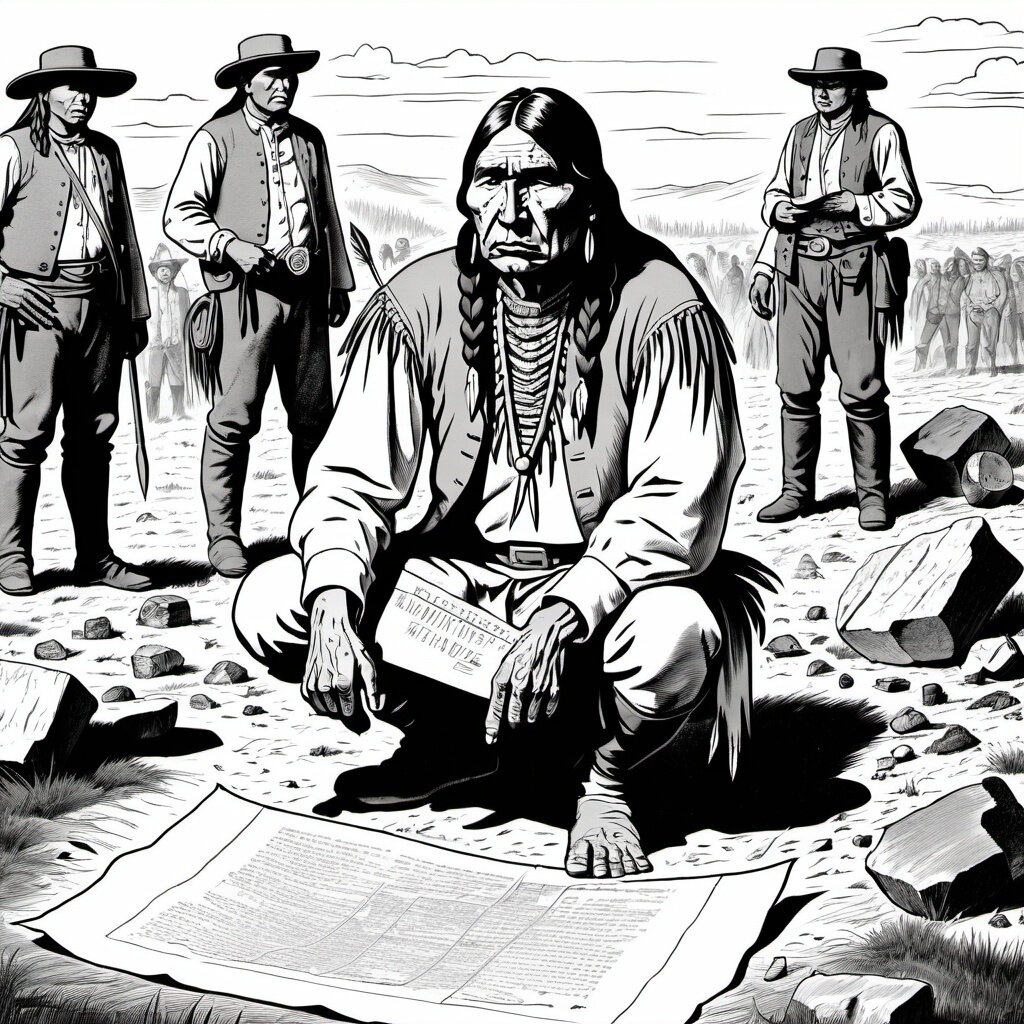
Violence and diseases like smallpox and measles devastated the Wappo population. In an attempt to secure a land base, Wappo leaders signed a treaty with the U.S. government in 1851, ceding their lands in exchange for a reservation. Tragically, the U.S. Senate never ratified the treaty, leaving the Wappo people landless and scattered.
Despite these immense hardships, the Wappo people persevered. Many found work on the very ranchos that had displaced them. Today, their descendants continue to live in the region and work to preserve their language, culture, and traditions, reminding us of the deep history that lies beneath the vineyards of Napa Valley.
Let's check your understanding of the original inhabitants of Napa Valley.
What does the name the Wappo people called themselves, Ash-o-chí-mi, translate to in English?
What was the primary reason the 1851 treaty, which was meant to provide the Wappo with a reservation, failed?
The story of the Wappo is a crucial part of the valley's history, showcasing a resilient culture with an enduring connection to the land.