Nanochat Explained
Introduction to Nanotechnology
What is Nanotechnology?
At its core, nanotechnology is the science of the extremely small. It's the art and science of manipulating matter at the atomic and molecular level. The key to understanding nanotechnology is the scale it operates on: the nanoscale.
nanometer
noun
One billionth of a meter. It is the unit of measurement for the nanoscale.
To put that in perspective, a sheet of paper is about 100,000 nanometers thick. A strand of your DNA is 2.5 nanometers in diameter. Nanotechnology deals with materials and structures that are typically between 1 and 100 nanometers in size. When you work with materials this small, the normal rules of physics and chemistry start to change in fascinating ways.
Why Small is a Big Deal
Materials can behave very differently at the nanoscale. Two main reasons for this are their massive surface area and the weird world of quantum mechanics.
As a particle's size decreases, its surface area relative to its volume increases dramatically. This makes nanomaterials much more reactive than their larger counterparts.
Think of a single cube of sugar. It dissolves slowly in water. Now, imagine crushing that cube into a fine powder. The powder dissolves almost instantly because much more of its surface is exposed to the water. Nanomaterials are like that sugar powder, but on a vastly smaller scale. This increased reactivity is useful for things like catalysts, which speed up chemical reactions.
The second reason is quantum effects. At the nanoscale, the behavior of electrons is governed by quantum mechanics, which can lead to unusual optical, electrical, and magnetic properties. For example, bulk gold is famously yellow and chemically inert. But gold nanoparticles can appear red or purple, and they become excellent catalysts. This change happens simply because of their size.
Building at the Nanoscale
So, how do scientists and engineers actually build things this small? The process is called nanofabrication, and there are two main approaches: top-down and bottom-up.
Top-down fabrication is like sculpting. You start with a larger piece of material and carve away until you have the nanoscale structure you want. A common technique is lithography, which uses light or electron beams to etch patterns onto a surface, similar to how computer chips are made.
Bottom-up fabrication is like building with LEGO bricks. Scientists assemble structures atom by atom or molecule by molecule. This approach allows for incredible precision, creating materials with novel properties designed from the ground up.
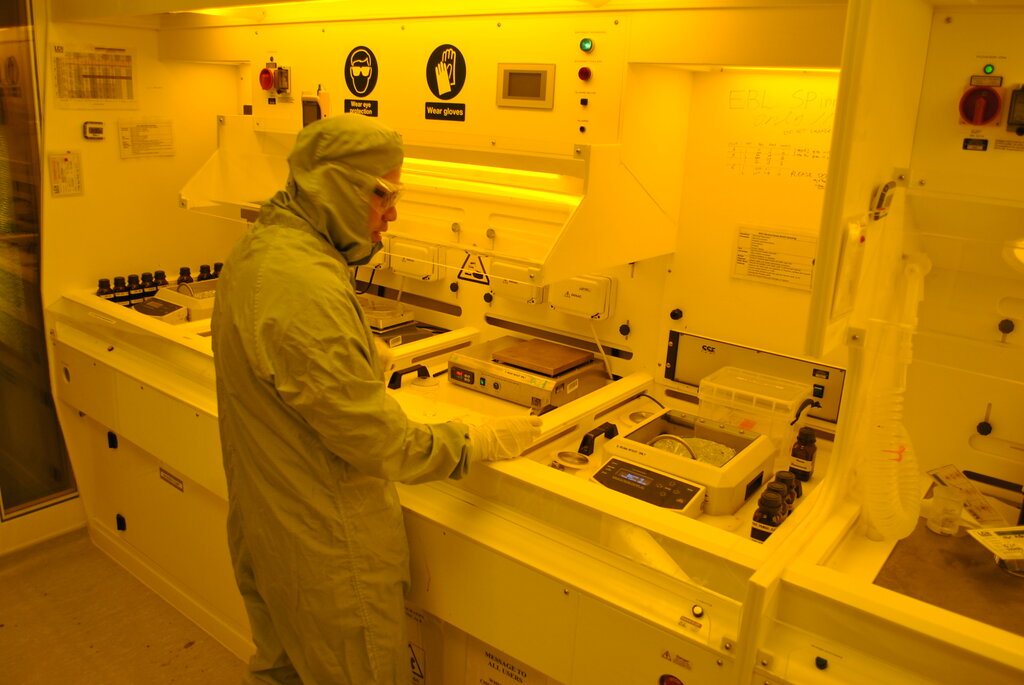
Of course, you can't work with what you can't see. The invention of powerful microscopes was crucial for nanotechnology. The Scanning Tunneling Microscope (STM) and the Atomic Force Microscope (AFM) don't just let us see individual atoms; they also allow us to pick them up and move them around, making bottom-up assembly a reality.
Nanotechnology in Action
The unique properties of nanomaterials have opened doors in almost every field imaginable. In medicine, nanoparticles can deliver drugs directly to cancer cells, avoiding damage to healthy tissue. In electronics, nanotechnology is helping create smaller, faster, and more powerful computer processors.
Materials scientists use nanoparticles to create stronger, lighter, and more durable products, from tennis rackets to airplane parts. Nanotechnology is also being used to create highly effective water filters that can remove tiny contaminants, and to develop more efficient solar panels.
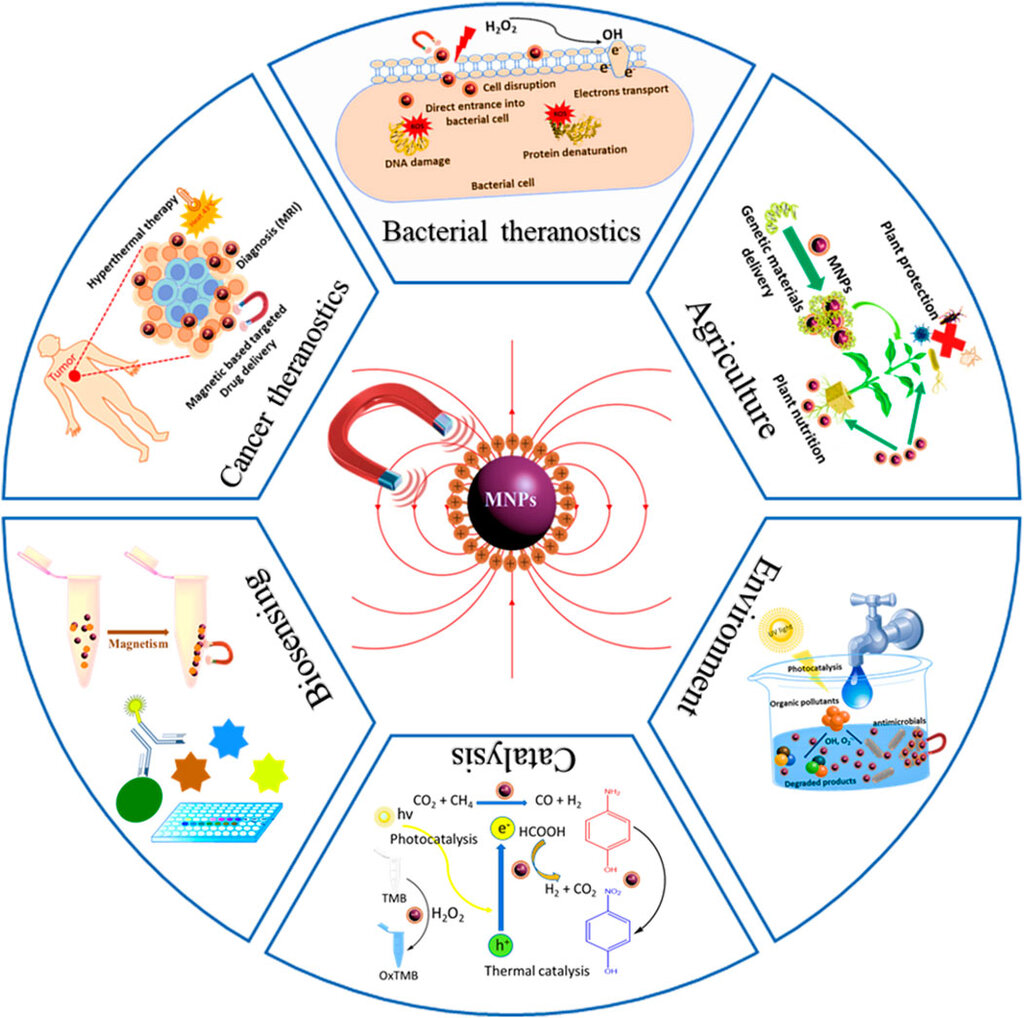
From stain-resistant pants to the sunscreen you put on your face, nanotechnology is already a part of our daily lives. As our ability to design and build at the nanoscale improves, the possibilities will only continue to grow.
To review the key ideas from this section, check out these flashcards.
Ready to test your knowledge? Take this short quiz to see what you've learned.
What is the typical size range for materials and structures in the field of nanotechnology?
Which two primary factors cause materials to exhibit unique properties at the nanoscale?
This introduction has just scratched the surface of a vast and exciting field. By controlling matter at the most fundamental level, nanotechnology promises to solve some of the world's biggest challenges.