NAD Supplementation Explained
Introduction to NAD
The Cell's Rechargeable Battery
Every cell in your body is a bustling city of chemical reactions. To keep everything running, these reactions need energy and a way to transfer it. One of the most important molecules for this job is nicotinamide adenine dinucleotide, or NAD.
Nicotinamide adenine dinucleotide – which is commonly called NAD+ or NAD – is foundational to our metabolic functions.
Think of NAD as a tiny, rechargeable battery. It picks up energy from the food we eat and delivers it where it's needed to power other cellular processes. It's a coenzyme, which means it's a helper molecule that allows enzymes to do their work. Without NAD, many of the essential reactions that keep us alive would grind to a halt.
The Structure of NAD
The name "nicotinamide adenine dinucleotide" sounds complex, but it's just a description of its parts. It's a "dinucleotide," meaning it's made of two nucleotides linked together. A nucleotide is a basic building block that consists of a sugar, a phosphate group, and a nitrogen-containing base.
In NAD, the two bases are nicotinamide (a form of vitamin B3) and adenine (the same "A" found in DNA). These two nucleotides are joined at their phosphate groups, creating a single, versatile molecule.
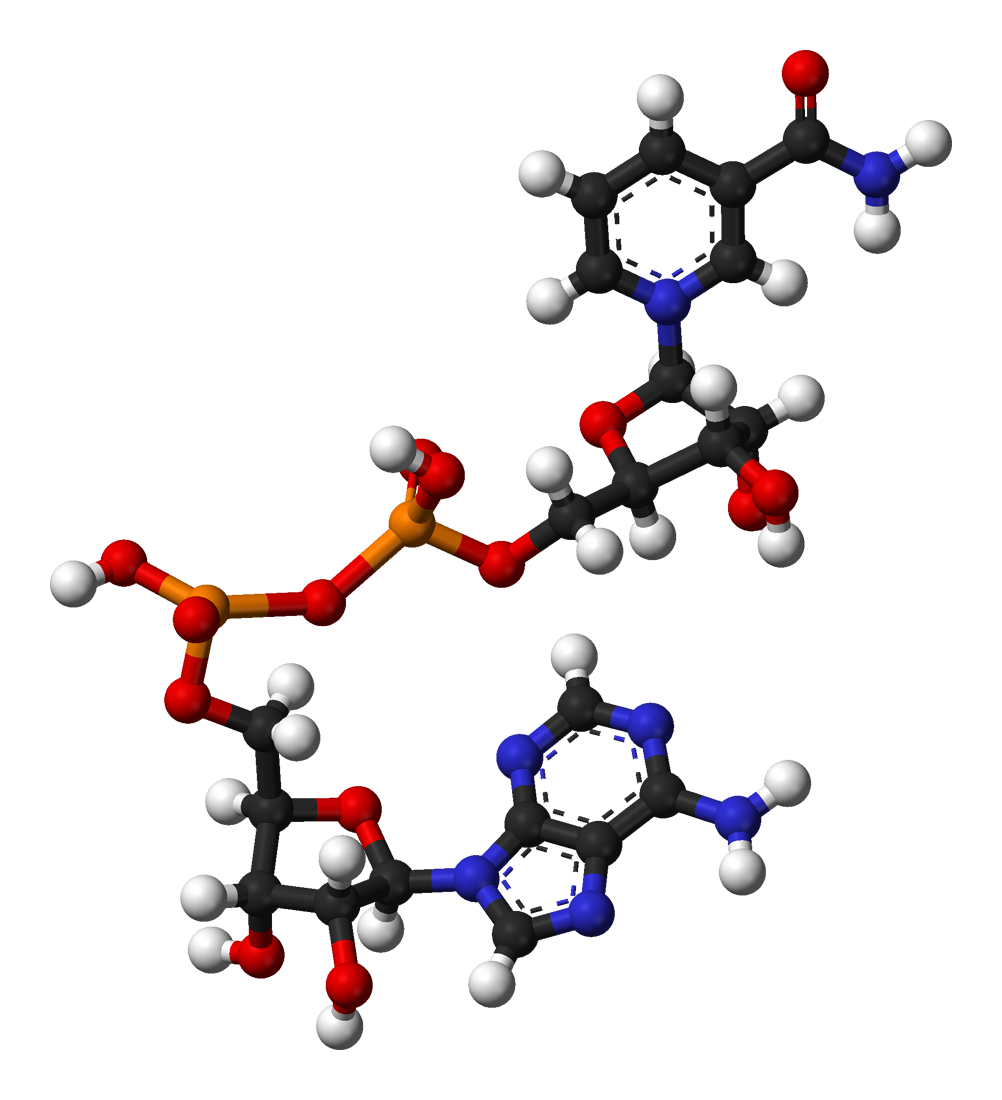
What makes NAD so useful is its ability to exist in two different forms. These forms allow it to carry and release electrons, which is the key to energy transfer in the cell.
An Electron Shuttle
Cellular energy is often handled by moving electrons from one molecule to another. This process is managed through reduction-oxidation reactions, or redox reactions. It's a simple concept:
- Oxidation is the loss of electrons.
- Reduction is the gain of electrons.
NAD is a master of this exchange. It exists in an oxidized form, written as NAD⁺, and a reduced form, NADH. When NAD⁺ accepts electrons, it becomes reduced to NADH. It can then travel to another part of the cell and donate those electrons, becoming oxidized back to NAD⁺. It's a constant cycle of charging and discharging.
This shuttling of electrons is central to metabolism. During processes like glycolysis and the Krebs cycle, which you might remember from biology class, energy is released from glucose. NAD⁺ is there to pick up high-energy electrons from the breakdown of glucose, becoming NADH.
This newly formed NADH then carries those electrons to the cell's main power plant, the mitochondria. Here, it hands off the electrons to the electron transport chain, a series of reactions that ultimately produce large amounts of ATP, the cell's primary energy currency. As NADH gives up its electrons, it reverts to NAD⁺, ready to go back and pick up more energy.
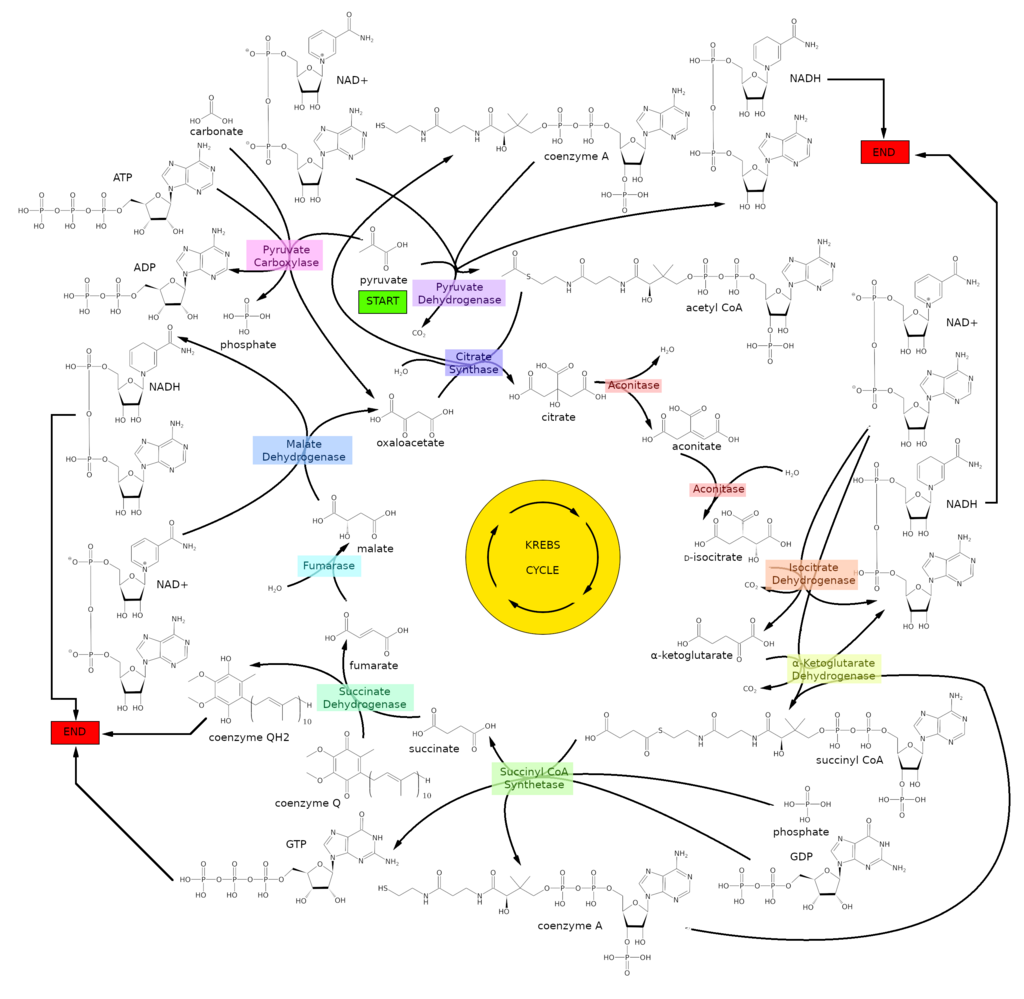
Without NAD cycling between its oxidized and reduced states, the process of turning food into usable energy would stop. It's the critical link between breaking down nutrients and creating the ATP that powers everything from muscle contractions to DNA replication.
What is the primary role of NAD within a cell?
The process where a molecule gains electrons is known as...
By acting as an electron carrier, NAD plays an indispensable role in the fundamental process of energy metabolism that sustains all life.