N/A - Request for Assistance
Introduction to Nursing Research
What Is Nursing Research?
Nursing research is a systematic process for asking questions and finding answers about the practice of nursing. It’s not just about academics in a lab. It's about a nurse on a busy hospital floor wondering if there's a better way to prevent bedsores, or a community health worker trying to understand why some families struggle to follow vaccination schedules. The goal is always to build a body of knowledge that improves patient outcomes and advances the profession.
This process is the backbone of evidence-based practice (EBP). EBP means making clinical decisions based on the best available scientific evidence, combined with a clinician's expertise and a patient's values and preferences. Without research, nursing practice would be based solely on tradition or intuition. Research provides the "evidence" in evidence-based practice, ensuring that patient care is effective, safe, and efficient.
Think of it this way: research builds the knowledge, and evidence-based practice brings that knowledge to the patient's bedside.
Research Methods
Not all questions can be answered in the same way. Nurses use different research methods depending on what they want to find out. The three main approaches are quantitative, qualitative, and mixed methods.
Quantitative research deals with numbers and measurable data. It's used to test hypotheses, look for cause-and-effect relationships, and make predictions. If you can count it, measure it, or put it on a graph, it’s likely quantitative. For example, a study might measure the impact of a specific patient education program on blood sugar levels in people with diabetes.
Qualitative research explores ideas, experiences, and meanings. It answers questions like "how?" and "why?" through methods like interviews, observations, and open-ended surveys. The data is often in the form of words, stories, and themes. A qualitative study might explore the emotional experience of new mothers coping with postpartum depression.
Mixed methods research combines both approaches. It uses numbers and stories to get a more complete understanding of a problem. A researcher might use a survey to gather quantitative data on nurse burnout rates and then conduct in-depth interviews (qualitative) to explore the factors contributing to that burnout.
| Feature | Quantitative Research | Qualitative Research |
|---|---|---|
| Purpose | To test hypotheses & measure variables | To explore experiences & understand meanings |
| Data | Numbers, graphs, tables | Words, images, observations |
| Sample Size | Often large | Often small |
| Question Type | How many? What is the effect? | Why? How does it feel? |
Doing Research the Right Way
When research involves people, ethics are the highest priority. History includes troubling examples of studies where participants were harmed or misled. To prevent this, all nursing research is guided by strict ethical principles and regulations.
Three core principles guide research with human subjects:
- Beneficence: This means the research should strive to do good and, above all, do no harm. The potential benefits of the study must outweigh the risks to participants.
- Respect for Human Dignity: This includes the right to self-determination and the right to full disclosure. Participants must be able to choose freely whether to be in a study (autonomy) after being fully informed about what it involves. This is the foundation of informed consent.
- Justice: This principle requires that participants are treated fairly. This means fair procedures for selecting participants and making sure that no single group bears an undue burden or is excluded from potential benefits.
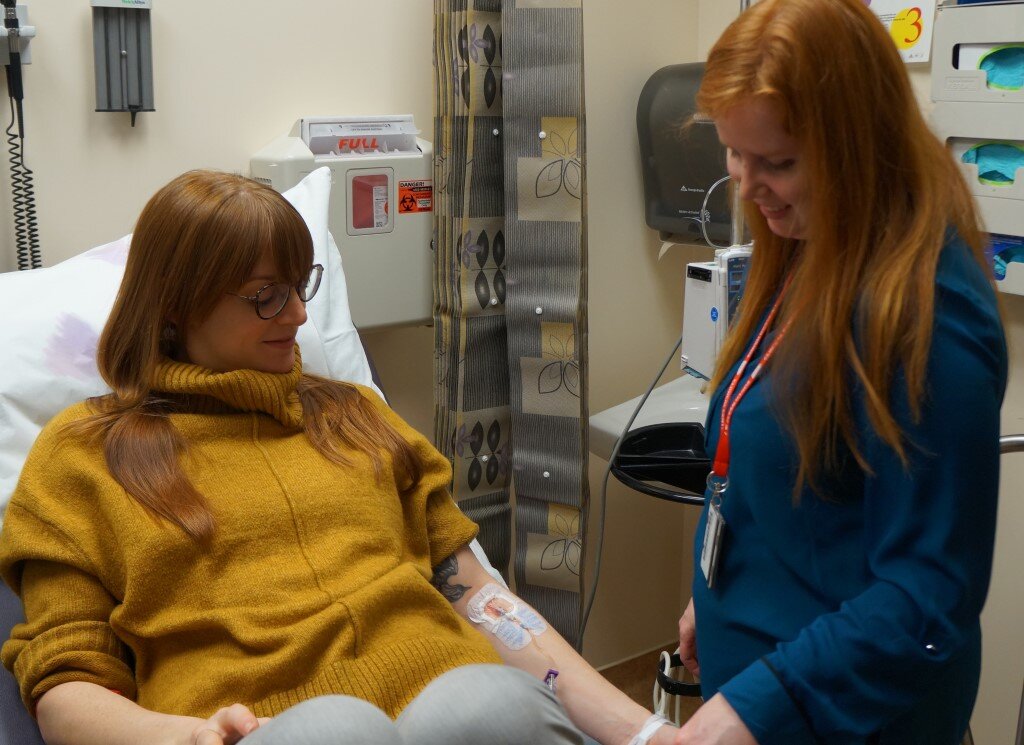
To enforce these principles, hospitals, universities, and other institutions have an Institutional Review Board (IRB). The IRB is an independent committee that reviews research plans before the study begins. They act as protectors for research participants, ensuring the study is ethical and the rights and welfare of subjects are safeguarded.
No research on human subjects can begin without approval from an IRB. It's a critical checkpoint to ensure safety and ethical conduct.
Now, let's check your understanding of these core concepts.
A nurse researcher is conducting a study to explore the lived experience of patients diagnosed with a rare chronic illness. The data will be collected through in-depth, open-ended interviews. Which research approach is being used?
What is the primary role of an Institutional Review Board (IRB) in the research process?
Understanding these fundamentals—the what, how, and why of nursing research—is the first step for any nurse looking to contribute to the field and provide the best possible care for patients.