N/A
Introduction to Curriculum Design
What Is a Curriculum?
A curriculum is a roadmap for learning. It's the plan that outlines what students will learn, how they will learn it, and why it's important. Think of it as the blueprint for an educational experience. It’s not just a list of subjects or textbooks, but a thoughtful arrangement of content, activities, and goals designed to guide a learner from one point to another.
Without a well-designed curriculum, learning can feel random and disconnected. A good curriculum ensures that every lesson, activity, and assignment has a purpose. It connects ideas, builds skills progressively, and creates a cohesive journey for the student. It’s the difference between wandering aimlessly in a forest and following a clear path to a destination.
The core purpose of curriculum design is to make learning intentional, effective, and engaging.
Blueprints for Learning
Just as architects use different styles to design buildings, educators use various models to design curricula. These models are frameworks that provide a structure and philosophy for creating learning experiences. There isn't one single "best" model; the right choice depends on the learners, the subject matter, and the educational goals.
Here are a few common approaches:
-
Subject-Centered Design: This is the most traditional model. It focuses on the content or subject matter itself. The curriculum is organized around topics, like a history course that moves chronologically from one era to the next. The main goal is to master the content.
-
Learner-Centered Design: This model puts the student's needs, interests, and goals first. The curriculum is flexible and often tailored to the individual. It's less about memorizing facts and more about developing skills and understanding based on what is relevant to the learner.
-
Problem-Centered Design: Here, learning is structured around real-world problems. Students work to solve a specific issue, learning relevant content and skills along the way. This approach helps learners see the practical application of their knowledge.
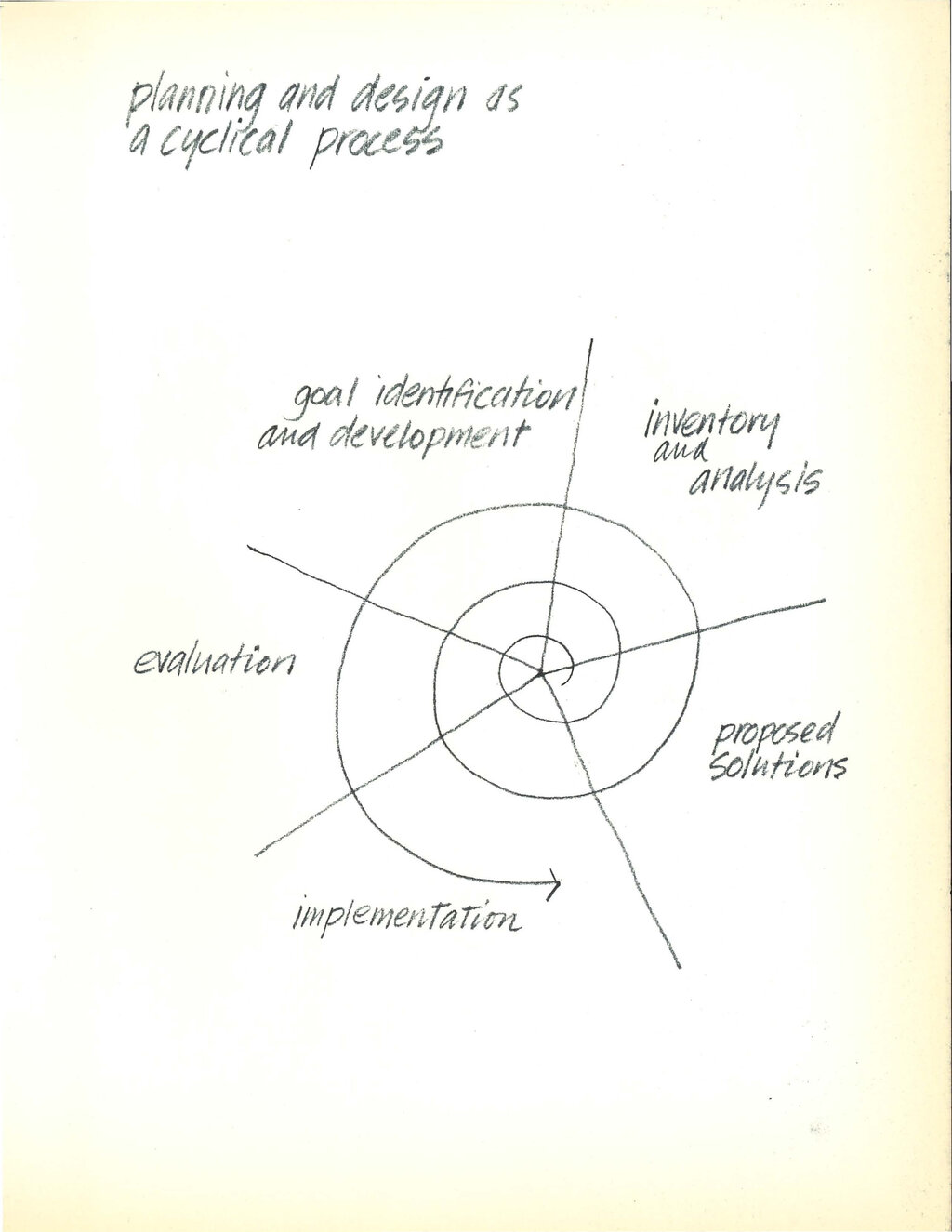
Each model offers a different lens through which to view education. Some curricula might even blend elements from multiple models to create a unique and effective learning path.
The Core Components
Regardless of the model used, every curriculum is built from a few essential components. These are the fundamental building blocks that give the curriculum its shape and substance.
The key to designing effective curriculum lies in three simple concepts: 1) outcomes, 2) objectives, and 3) assessment.
Let's look at the key parts you'll find in any curriculum design process.
1. Goals and Objectives
This is the starting point: what do we want learners to achieve?
-
Goals are broad statements about the overall purpose of the learning experience. A goal for a creative writing course might be: "Students will appreciate the art of storytelling."
-
Objectives are the specific, measurable steps that lead to that goal. An objective for the same course could be: "By the end of the first week, students will be able to identify the five key elements of a plot in a short story."
Clear goals and objectives provide direction and make it possible to know if the curriculum is successful.
Think of it this way: a goal is your destination, and objectives are the turn-by-turn directions to get there.
2. Content
Content is the "what" of the curriculum. It’s the specific information, theories, skills, and concepts that will be taught. Selecting content isn't about cramming in as much information as possible. It’s about choosing the most relevant and important material that aligns with the learning objectives.
For a course on digital marketing, the content might include topics like Search Engine Optimization (SEO), social media advertising, and email campaigns.
3. Instructional Strategies
This component answers the question, "how will the content be taught?" Instructional strategies are the methods, activities, and materials used to deliver the content and help students learn. This could include lectures, group projects, hands-on experiments, online discussions, or case studies.
The chosen strategies should match the content and the learning objectives. If an objective is to develop public speaking skills, the instructional strategy must involve opportunities for students to actually speak in front of a group, not just read about it in a book.
What is the primary role of a curriculum in an educational setting?
A history course is organized chronologically, starting with ancient civilizations and ending with modern history. The main focus is ensuring students master the key facts and dates of each era. Which curriculum model does this best represent?
These three components—goals and objectives, content, and instructional strategies—are intertwined. A change in one often requires adjustments in the others. Together, they form the foundation of any effective curriculum.