N/A
Introduction to Course Design
Start with the End in Mind
Designing a course is like drawing a map for a journey. You wouldn't just start driving without a destination. A well-designed course isn't a random collection of interesting topics; it's a carefully planned path that leads students from where they are to where they need to be.
The most effective way to plan this journey is through a method called backward design. It flips the traditional planning process on its head. Instead of starting with textbooks, activities, or lectures, you start with the final destination: what should students know and be able to do by the end of the course?
Backward Design begins with the end in mind.
This approach has three main stages. First, you identify the learning goals. Second, you figure out how you'll know if students have reached them. Only then, as a final step, do you plan the lessons and activities that will get them there. It ensures that every part of your course has a clear purpose.
Setting Clear Goals
The foundation of backward design is the learning objective. A learning objective is a clear, specific statement that describes what a student will be able to do at the end of a lesson or course. Vague goals like "understand history" are not helpful. Clear objectives provide a target to aim for.
Think about it this way. A vague goal is like wanting to "get in shape." A learning objective is like setting a goal to "run a 5k race in under 30 minutes." One is an idea; the other is a measurable outcome that you can design a training plan around.
Good learning objectives use action verbs. Instead of saying students will know something, state what they will be able to do: explain, analyze, create, compare, or solve.
For example, instead of "Students will learn about the solar system," a better objective is "Students will be able to name the eight planets in order from the sun and describe one key feature of each." This specificity makes it easier to design relevant activities and assess whether the goal has been met.
Know Your Learners
A map is useless if you don't know your starting point. Before you can design an effective learning path, you need to understand who your students are. What is their prior knowledge? Are they complete beginners, or do they have some background in the subject?
Consider their motivations, too. Are they taking the course for a specific career goal, out of personal interest, or because it's a requirement? Understanding their needs and context helps you tailor the material to be as relevant and engaging as possible.
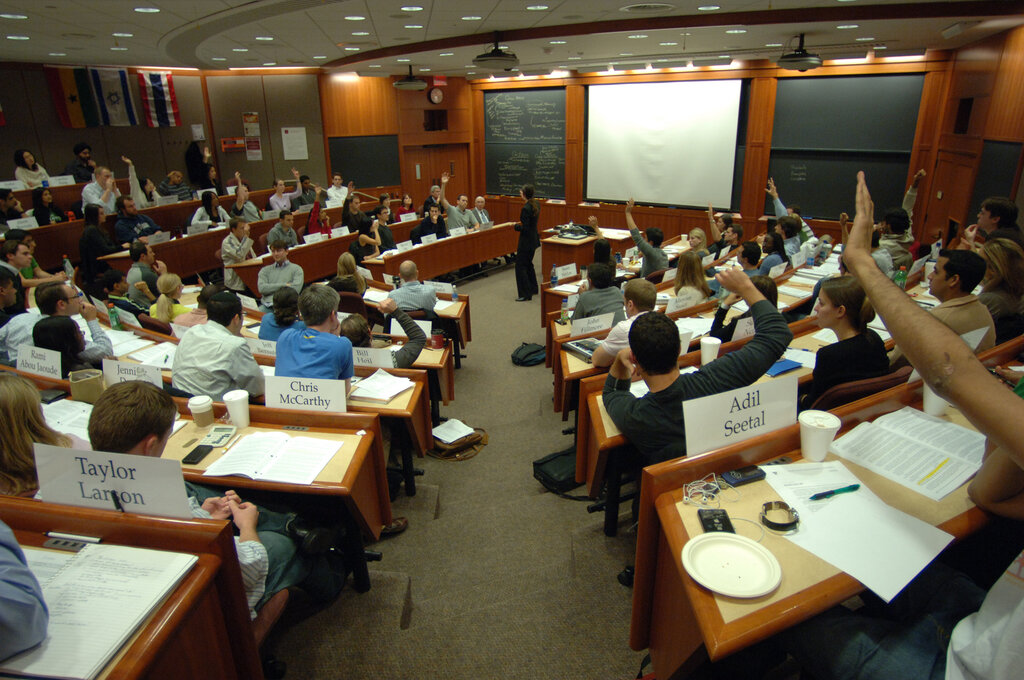
For example, a course on basic budgeting for college students would look very different from one designed for small business owners. The core principles might be the same, but the examples, language, and focus would shift dramatically to meet the needs of each audience.
By starting with clear goals and a deep understanding of your learners, you create a solid foundation for a course that truly works.
Time to check your understanding of these core ideas.
What is the core principle of the backward design method for course planning?
Which of the following is the best example of a well-written learning objective?
These foundational principles are the first step in creating a meaningful and effective learning experience.