N/A
Introduction to AI Limitations
Where AI Falls Short
Artificial intelligence is incredibly powerful. It can analyze massive datasets, compose music, and even drive cars. But for all its strengths, AI has significant limitations. It's not a magical solution for every problem. Understanding where AI struggles is just as important as knowing what it excels at.
No Real Feelings
One of the biggest gaps between human and artificial intelligence is emotion. An AI can be trained to recognize the words we use to express happiness or the facial cues associated with sadness. It can even generate text that sounds empathetic. But it doesn't feel anything.
This is because AI operates on logic and patterns, not subjective experience. It can process that a smile is linked to positive sentiment in its data, but it has no understanding of the warmth or joy that comes with genuine happiness. It's like reading a detailed description of the color red without ever being able to see it.
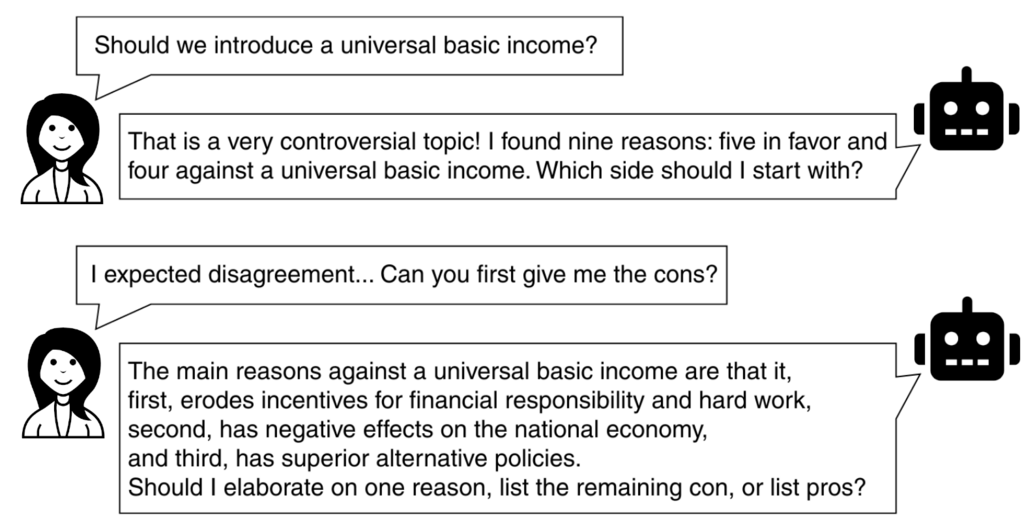
However, such Human-AI collaboration poses challenges for more complex, creative tasks, such as carrying out empathic conversations, due to difficulties of AI systems in understanding complex human emotions and the open-ended nature of these tasks.
This lack of emotional intelligence means AI can't navigate the subtle, nuanced world of human social interaction. It can't offer genuine comfort, build trust, or share in a moment of laughter. It mimics the patterns of emotion without the substance.
Missing the Big Picture
Humans naturally understand context. If someone tells an actor to "break a leg," we know it's a message of good luck, not a threat. AI often misses these subtleties. It processes information based on the data it was trained on, and it can struggle to grasp sarcasm, irony, or cultural idioms that aren't explicitly spelled out in that data.
An AI might analyze every word in a sentence but miss the underlying meaning. It lacks the lifetime of experiences and common sense reasoning that we use to interpret the world. This is why AI can make strange, nonsensical errors when faced with situations that fall even slightly outside its training.
This limitation becomes critical in complex decision-making. An AI might recommend a business strategy that looks perfect on paper but fails to account for company morale or the intricate relationships between team members. It sees the data points but not the full picture.
Struggles with Complexity
AI excels at specific, well-defined tasks. It can beat a grandmaster at chess because the rules are clear and the goal is singular. But it struggles with tasks that are open-ended, require long-term planning, or demand creativity.
Think about planning a surprise party. This involves juggling schedules, anticipating guests' preferences, keeping a secret, and adapting when things go wrong. These tasks rely on a blend of social awareness, creative problem-solving, and common sense—all areas where current AI is weak.
This brittleness is a key limitation. AI can fail in unexpected ways when faced with new situations that differ from its training data.
When tasks are ambiguous or require thinking "outside the box," AI often gets stuck. It can't improvise in a truly novel way. It can only recombine patterns from its training data. This is why we still rely on human experts for strategic planning, scientific discovery, and artistic creation.
Why can't an AI offer genuine emotional comfort, even if it uses empathetic language?
An AI would likely interpret the phrase "break a leg" literally as a wish for physical harm.
Knowing these limitations helps us use AI more effectively as a tool, while recognizing the areas where human insight remains irreplaceable.