N/A
Introduction to Course Design
Start With the End in Mind
Designing a course is like planning a road trip. You wouldn't just start driving without a destination. You'd pick a place first, then map out the best route to get there. The same logic applies to creating a learning experience.
This approach is called backward design. Instead of starting with a textbook or a list of fun activities, you begin by defining exactly what you want your students to know or be able to do by the end of the course. These are your learning goals.
One of the best ways to design your course is to use a “backward design” process.
Once you've set your destination—the learning goals—you can then work backward. You'll figure out how you'll know if students have arrived (assessments) and then plan the day-by-day journey that will get them there (instructional methods and activities). This ensures every part of your course has a clear purpose.
The Three Pillars of Alignment
An effective course has three core components that work together seamlessly: learning objectives, assessments, and instructional methods. When these pillars are aligned, students have a clear and logical path to success. When they're not, it leads to confusion and frustration.
-
Learning Objectives: These are clear, specific statements about what students should be able to do after completing the course. A weak objective might be "Students will understand photosynthesis." A strong objective is "Students will be able to explain the steps of photosynthesis and write out its chemical equation."
-
Assessments: These are the tools you use to measure whether students have met the objectives. If your objective is for students to write a persuasive essay, a multiple-choice quiz won't be an aligned assessment. Instead, you would have them actually write a persuasive essay.
-
Instructional Methods: These are the activities, lectures, and materials you use to teach the content. They should directly prepare students for the assessments. To prepare for an essay, you might include lessons on outlining, thesis statements, and finding evidence.
Alignment means that the assessments measure the stated learning objectives, and the instructional methods effectively prepare students for the assessments.
This simple model provides a powerful framework for thinking through your course design.
Know Your Audience
A perfectly aligned course can still miss the mark if it isn't designed for the specific students who will be taking it. Understanding your audience is just as important as organizing your content. Before you finalize your design, ask yourself a few questions about your learners.
What do they already know? Building on prior knowledge is more effective than starting from zero or repeating what they've already learned. Try to anticipate any common misconceptions they might hold about the topic.
Why are they here? Understanding their motivations can help you frame the content in a way that resonates. Are they taking the course for a degree, for professional development, or out of personal interest? Their goals will shape what they find most valuable.
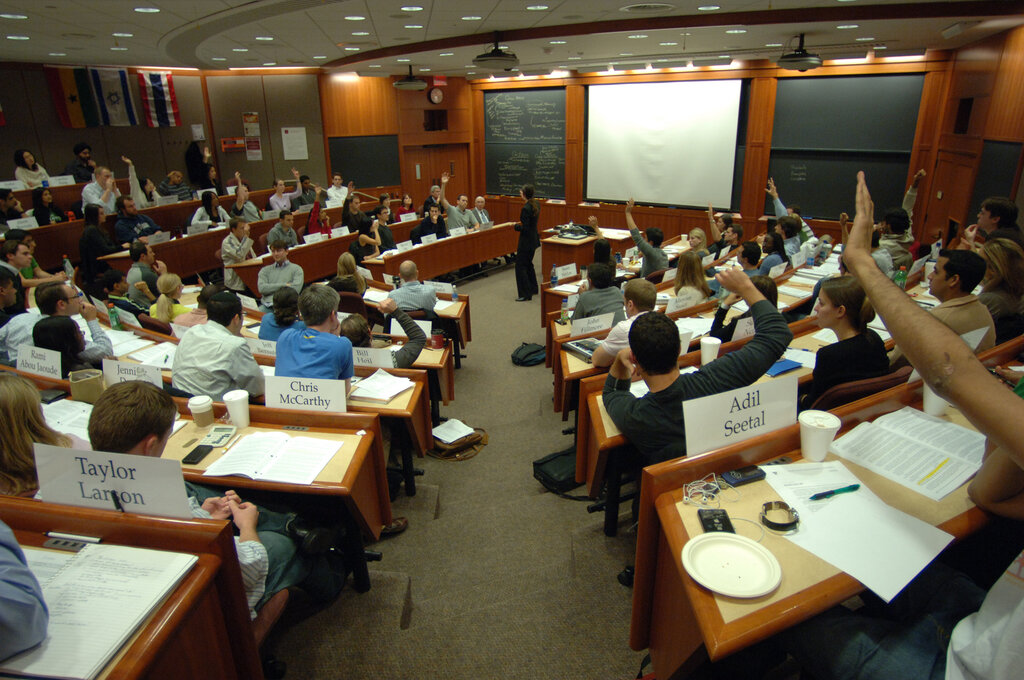
Finally, consider their learning context. Are they full-time students with ample study time, or are they busy professionals balancing work and family? Are they learning online or in person? The answers will influence the complexity of your assignments, your pacing, and the types of activities you choose.
By considering your audience, you can tailor the content, examples, and activities to be as relevant and effective as possible. This learner-centered approach transforms a good course design into a great one.
According to the principle of backward design, what is the first step in planning a course?
A course objective is: "Students will be able to write a persuasive essay." Which of the following assessments is best aligned with this objective?
These foundational principles—backward design, alignment, and audience awareness—are the building blocks of any successful course. They ensure your curriculum is purposeful, logical, and engaging for your students.